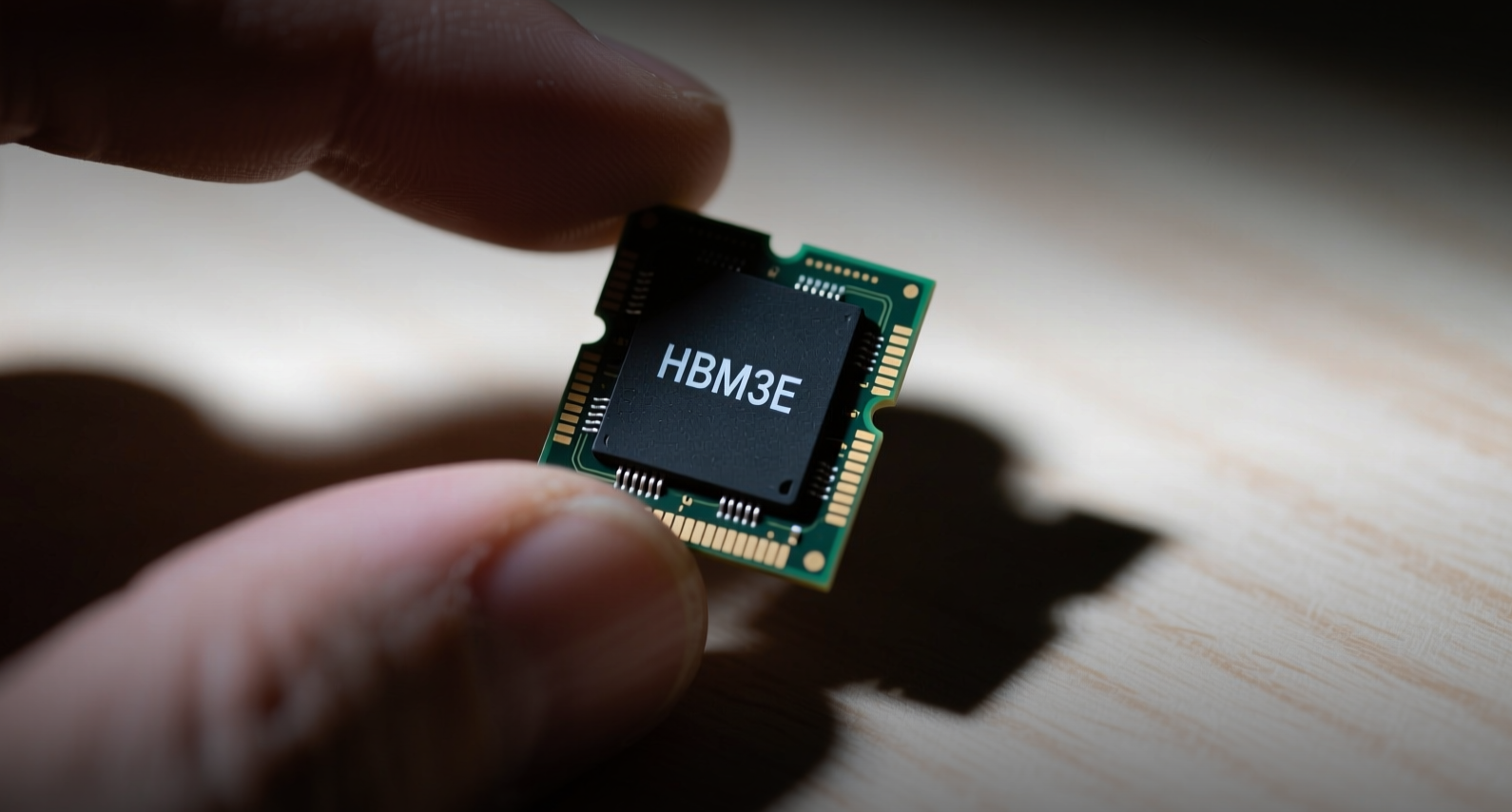
SK Hynix on July 22 dismissed reports it was in talks to acquire Intel Corp.'s semiconductor plant in Ohio. The South Korean memory maker's shares surged more than 8% in Seoul trading following the denial. Earlier reports had claimed the deal would have given SK Hynix its first US memory production facility within five years.
SK Hynix Inc. on July 22 denied reports it was pursuing a bid for Intel Corp.'s unfinished semiconductor plant in Ohio, a deal that would have given the South Korean memory maker its first US production site.
"The company continuously evaluates various business investment and acquisition opportunities," SK Hynix said in a statement, but it dismissed the specific report regarding a bid for Intel's Ohio semiconductor plant.
Earlier reports had claimed SK Hynix was in advanced talks with Intel to acquire the Ohio campus, with plans to produce memory chips in the US within five years. The denial came as SK Hynix shares surged more than 8% in Seoul trading on July 22, while the Hong Kong-listed XL2CSOPHYNIX ETF tracking the stock rose 13.25%.
The episode highlights the strategic premium investors place on US memory production capacity as the Biden-era CHIPS Act continues reshaping the semiconductor landscape. Intel's Ohio project, initially announced in 2022 as a $20 billion investment, has faced construction delays and leadership uncertainty, leaving its future role in US chip manufacturing unresolved.
The denial comes as global memory chipmakers race to secure US production capacity. Samsung Electronics Co. operates a memory fab in Austin, Texas, while Micron Technology Inc. is building a $15 billion plant in Boise, Idaho, and expanding in New York. SK Hynix, the world's No. 2 memory maker behind Samsung, currently produces all its DRAM and NAND chips in South Korea and China, making a US facility a logical strategic goal even if this specific deal was not under consideration.
Intel's Ohio campus, announced in 2022 as a $20 billion megafab, has struggled with construction delays and a shifting corporate strategy under CEO Pat Gelsinger's turnaround plan. The company has slowed some expansion plans during a prolonged downturn in PC and server chip demand, raising questions about whether it would ultimately build the facility itself or seek a partner.
SK Hynix shares have gained roughly 30% year-to-date through July 21, driven by surging demand for high-bandwidth memory used in Nvidia Corp.'s AI accelerators. The stock's 8% jump on the denial day suggests investors viewed the Ohio deal as a potential near-term drag on capital expenditure rather than a strategic positive — or that any US expansion narrative, even when denied, reinforces the company's long-term growth trajectory. SK Hynix trades at approximately 21 times forward earnings, a discount to Samsung's 24 times, reflecting the market's uncertainty about its ability to sustain HBM market share gains against Samsung's aggressive catch-up plans.
This article is for informational purposes only and does not constitute investment advice.