


United Airlines made a preliminary approach to merge with Delta Air Lines, a tie-up that would have created the largest US carrier.
United Airlines made a preliminary approach to merge with Delta Air Lines, a tie-up that would have created the largest US carrier.
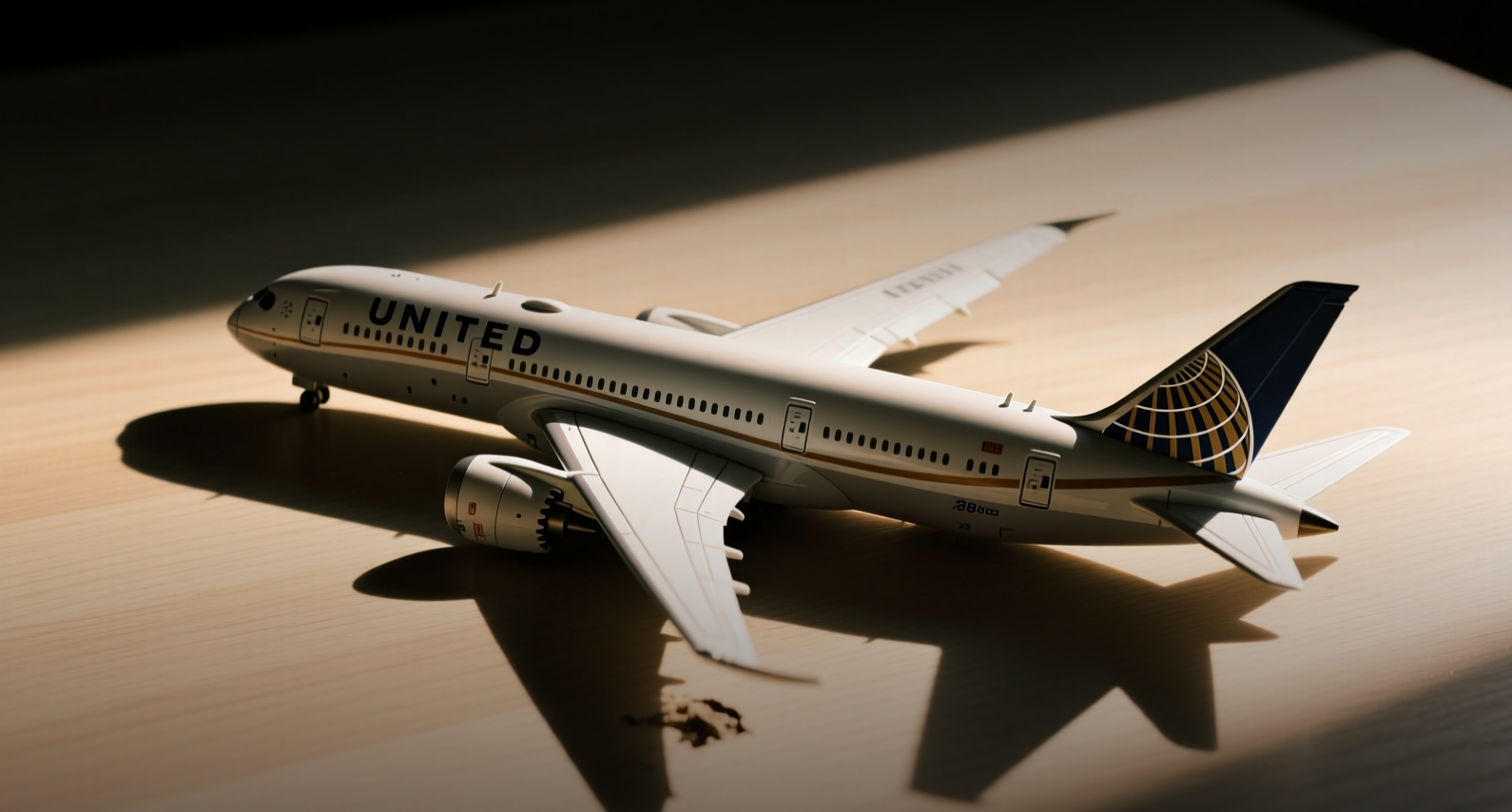
United Airlines approached Delta Air Lines about a potential merger that would have combined two of the four largest US carriers, but the preliminary discussions did not advance and both airlines moved on, people familiar with the matter said.
A United-Delta combination would have faced intense antitrust scrutiny given the consolidation already seen in the US airline industry. The Justice Department has expressed increasing skepticism toward further consolidation among major carriers, people familiar with the matter said. Any deal would have required approval from the Department of Transportation and potentially the Department of Justice's antitrust division.
The approach came as the US airline industry has already undergone significant consolidation over the past two decades. Delta merged with Northwest in 2008, United combined with Continental in 2010, and Alaska acquired Virgin America for $2.6 billion in equity value in 2016 — a transaction valued at roughly $4 billion including debt and aircraft leases. Alaska retired the Virgin America brand within two years, opting to streamline its product offerings and cut costs rather than maintain a separate identity.
More recently, Alaska completed its acquisition of Hawaiian Airlines in 2024 in a deal valued at $1.9 billion. Unlike the Virgin America acquisition, Alaska chose to maintain Hawaiian as a separate brand due to the carrier's local and historical significance to the state of Hawaii. The combined entity now operates hubs across the West Coast and Hawaii, with Alaska taking delivery of Hawaiian's Boeing 787s and refurbishing its A330 fleet.
A merger between United and Delta would have created an airline with a combined market share exceeding that of any single US carrier, potentially triggering the most aggressive antitrust review since the Justice Department sued to block the proposed partnership between JetBlue and Spirit Airlines. Spirit ultimately filed for bankruptcy protection in late 2025, reshaping the competitive dynamics of the industry and reducing the number of major low-cost carriers.
Why the talks stalled
The preliminary discussions did not reach the stage of formal negotiations over price or structure, the people said. Both carriers determined that the regulatory hurdles, including potential forced divestitures of slots at congested airports such as Newark Liberty International and LaGuardia, made the deal impractical under the current administration's enforcement stance.
United, the third-largest US airline by revenue, has instead focused on expanding its international network, adding routes to destinations including Rome, London and Reykjavik using its Boeing 787 fleet. Delta, the second-largest carrier, has concentrated on premium travel demand and its partnerships with Aeromexico and Virgin Atlantic, while maintaining its dominant position at Atlanta's Hartsfield-Jackson International Airport.
Consolidation appetite persists
The approach shows that despite regulatory headwinds, the appetite for consolidation among US airlines remains. The four largest carriers — American, Delta, Southwest and United — control roughly 80 percent of the domestic market, leaving limited room for growth through organic expansion at major hubs. Smaller carriers such as JetBlue and Alaska have pursued growth through acquisitions and partnerships rather than building new hub operations.
This article is for informational purposes only and does not constitute investment advice.
