
US strikes on Iran killed 18 and wounded 108, triggering Iranian missile and drone attacks on Gulf states and pushing crude above $94 a barrel.
US strikes on Iran killed 18 and wounded 108, triggering Iranian missile and drone attacks on Gulf states and pushing crude above $94 a barrel.
US military strikes on Iranian soil killed 18 people and wounded 108, according to Iranian state media, reigniting a six-month conflict that has driven crude above $94 a barrel and drawn Tehran's missile and drone attacks on US allies across the Gulf. Central Command said it completed the barrage against Iranian air defense sites, radar systems and maritime assets Tuesday evening, following Sunday's strikes that ended a month without military action.
"We are going to economically asphyxiate this regime," Treasury Secretary Scott Bessent said Tuesday at a Group of 20 meeting, describing a sanctions campaign that has already targeted a Dubai bank for alleged ties to Tehran. "The world is tired of this pariah state."
Crude futures climbed above $94 a barrel after the US announced the strikes, extending a week-long gain of about 7 percent. Oil has jumped more than 50 percent this year, pushing US gasoline to $4.10 a gallon from $3.19 a year earlier, according to AAA. Iran's Revolutionary Guard claimed missile strikes on a US base along Jordan's Gulf of Aqaba coast, with Amman reporting it intercepted 10 of 13 incoming missiles. Kuwait and Bahrain activated air defenses against Iranian drones, and Tehran also claimed attacks on Erbil in Iraq's Kurdistan region.
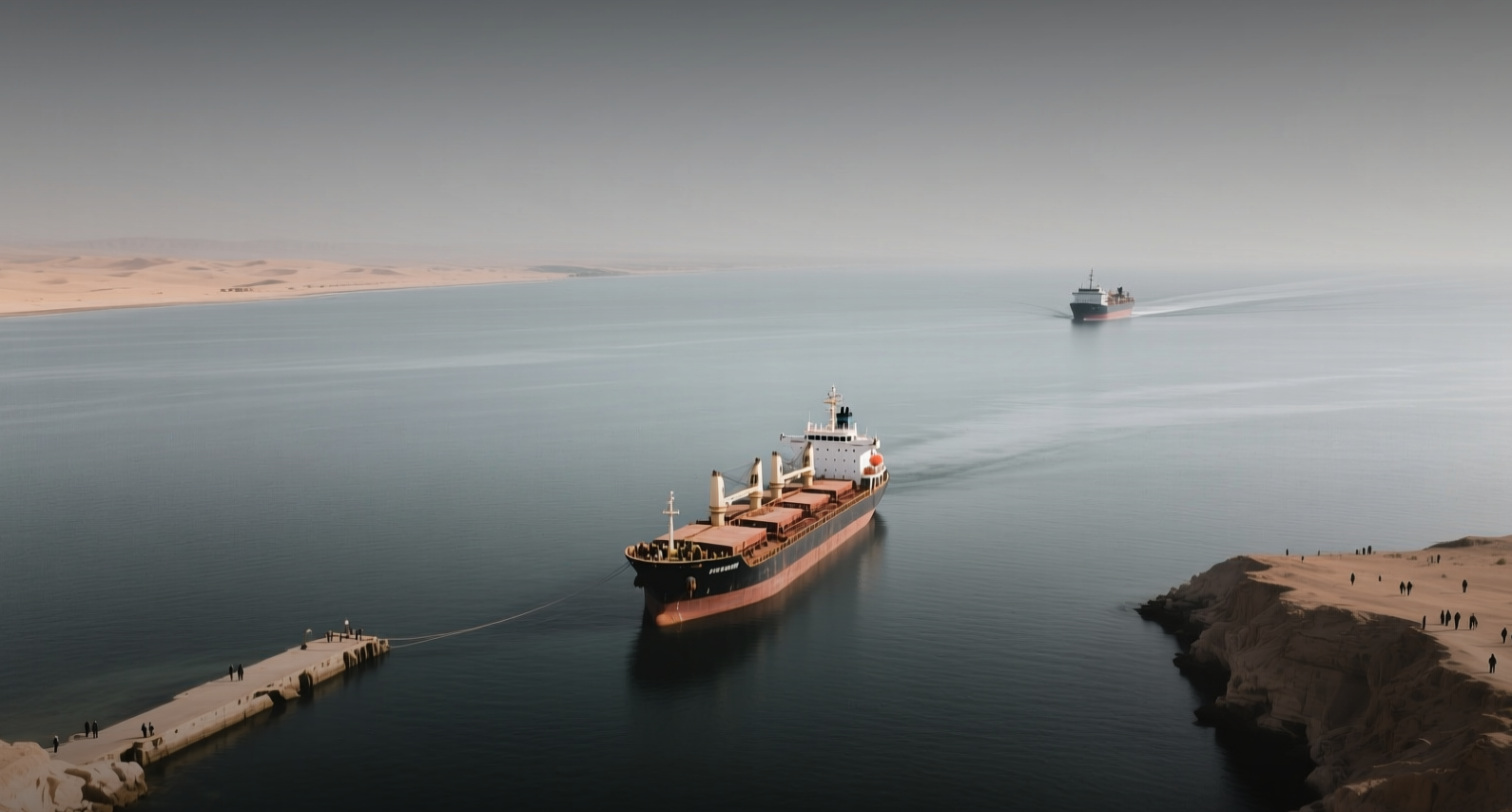
The escalation tightens Iran's effective closure of the Strait of Hormuz, through which 20 percent of the world's oil normally flows. Two tankers have been struck by projectiles in the waterway since Sunday, according to maritime intelligence group Marisk and the UK Maritime Trade Operations. With US stockpiles of Patriot interceptors diminishing and the war unpopular among many Americans ahead of November's midterm elections, the renewed fighting carries political and economic costs for the Trump administration.
Iranian state media reported US strikes hit a wedding celebration in the southern village of Kuhestak, killing five people including a child and wounding at least 68 others. Central Command said it was aware of the reports but noted they "originated from Iranian state media," adding that "the U.S. military never targets civilians, unlike the IRGC." Strikes also damaged a fishmeal factory on Qeshm Island, a civilian airport in Kerman province and parts of Hormozgan province's power network, Iranian state television reported.
Trump said Tuesday he was not seeking to force Iran to the bargaining table, writing on Truth Social that he prefers "almost total control of the Hormuz Strait" and Iran's "economy totally collapsing." He warned that further Iranian retaliation would draw strikes "at a much harder and higher level." The president told Fox News the US had targeted radar systems Tehran was rebuilding, adding: "We waited until it was almost built and then we hit it."
Bessent argued the economic campaign would ultimately prove decisive, telling Larry Kudlow that Gulf states are building pipeline infrastructure to bypass the strait entirely. "In two years, the Strait of Hormuz will be like a worthless piece of water," he said. The Treasury is likely to sanction two more banks in the next two weeks, he added.
Iranian President Masoud Pezeshkian said before the latest strikes that Tehran would return to the June interim ceasefire if Washington did the same. That deal, which called for an immediate ceasefire and a 60-day negotiation window toward a broader agreement, crumbled within weeks of its signing.
The conflict has now run more than six months, with the US and Iran trading intermittent strikes since March. The June deal was the only formal pause, and its collapse has left both sides locked in a cycle of escalation with no clear off-ramp. Iran's Revolutionary Guard warned the attacks have "only strengthened the Islamic Republic's resolve" and tightened its closure of the strait.
For markets, the key question is whether Iran widens its attacks to Gulf energy infrastructure. Crude has already climbed more than 50 percent this year, and each escalation round has added to the risk premium embedded in oil prices. The June ceasefire had briefly allowed more oil to flow through the strait, but the renewed fighting has reversed that trend, with two tankers struck since Sunday and shipping lanes effectively closed.
This article is for informational purposes only and does not constitute investment advice.
