
The yen is defying its safe-haven status as the US-Iran war escalates, trading sideways below 163 despite the heaviest Middle East hostilities in decades.
The yen is defying its safe-haven status as the US-Iran war escalates, trading sideways below 163 despite the heaviest Middle East hostilities in decades.
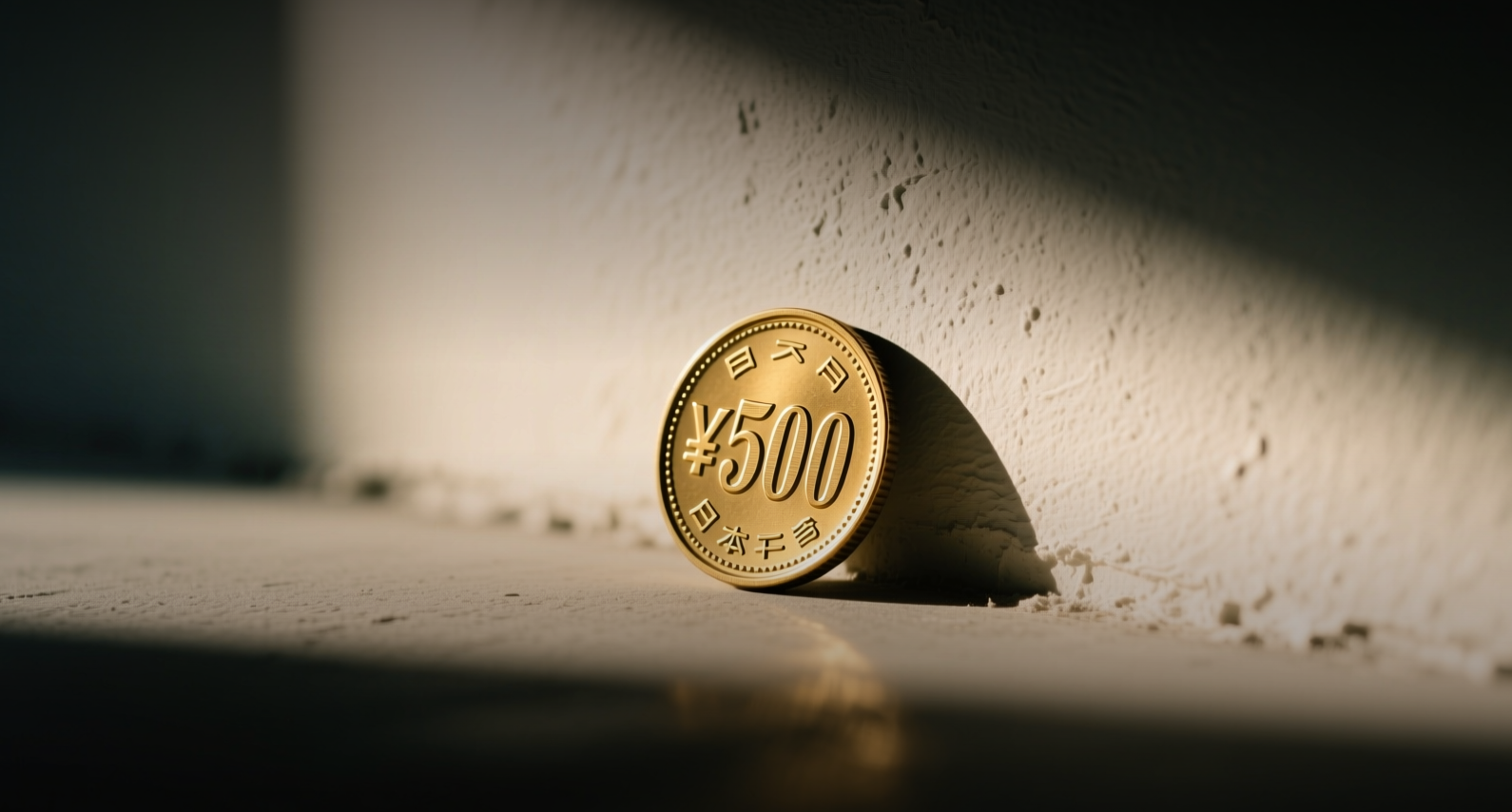
The yen is defying its safe-haven status as the US-Iran war escalates, trading sideways below 163 despite the heaviest Middle East hostilities in decades.
The yen is trading sideways below 163 per dollar even as the US and Iran exchange heavy missile and drone strikes, defying the safe-haven bid that typically lifts the Japanese currency during geopolitical crises.
"The dollar bid reflects positioning for a Fed that may need to hike rates even as the Middle East burns, while the yen is being held back by Japan's reluctance to adjust its pension fund allocations," said Joel Kruger, market strategist at LMAX Group in London.
The dollar index rose 0.3% to 101.24 on Monday after President Donald Trump reinstated a naval blockade on Iran, while Brent crude surged 8% to $82.58 a barrel as Tehran said it had again closed the Strait of Hormuz, the chokepoint that handles about 21% of global oil trade. The euro slipped 0.2% to $1.1386 and sterling fell 0.4% to $1.3357. USD/JPY edged up 0.5% to 162.45, putting traders on alert for possible intervention from Tokyo as the currency hovers near 40-year lows.
The standoff creates a dilemma for the Bank of Japan and the Federal Reserve. Fed funds futures price about 30 basis points of rate hikes this year, according to LSEG data, even as the conflict threatens to slow global growth. If the yen weakens past 163, intervention risks rise. If the conflict escalates further, a delayed safe-haven bid could snap the pair below 160.
The yen's muted response marks a departure from historical patterns. During the 2020 US-Iran tensions after the Qasem Soleimani strike, USD/JPY dropped more than 1% in a single session as investors piled into haven assets. This time, the pair has barely budged from the 162-163 range it has occupied since early July, after rising steadily from May through early July.
One factor weighing on the yen is Japan's policy stance. Finance Minister Satsuki Katayama said Friday the government would explore ways to encourage pension funds, including the Government Pension Investment Fund, to invest more in Japanese assets. But two government sources told Reuters that Tokyo has no immediate plan to change GPIF's medium-term asset allocation targets, dashing hopes for a structural bid for yen-denominated securities.
"The GPIF news was a half-hearted attempt," said Marvin Loh, senior global market strategist at State Street in Boston. "Unless they really follow through and, quite frankly, unless they're willing to raise rates, I think we wind up being around these levels."
The inflation outlook adds another layer. US CPI data due Tuesday and PPI figures Wednesday will shape expectations for Fed Chair Kevin Warsh's testimony before the House and Senate later this week. German wholesale prices rose 4.9% in June from a year earlier, driven largely by energy and raw material costs linked to the Iran conflict, Destatis data showed. That suggests the geopolitical shock is already feeding through to producer prices in Europe, a dynamic that could complicate central bank policy decisions globally.
The Strait of Hormuz closure represents the most immediate economic threat. The waterway handled about 21% of global oil consumption before the latest escalation, and its shutdown has already pushed Brent above $82. If the blockade persists, oil could test $90, squeezing import-dependent economies like Japan and reinforcing the case for a stronger yen on terms-of-trade grounds.
For now, the market is caught between two forces: a dollar supported by energy-driven inflation expectations and a yen that should be strengthening on safe-haven flows but cannot because of Japan's policy inertia. The resolution likely depends on whether the conflict widens or de-escalates in the coming days.
This article is for informational purposes only and does not constitute investment advice.
