Report
No Data Yet

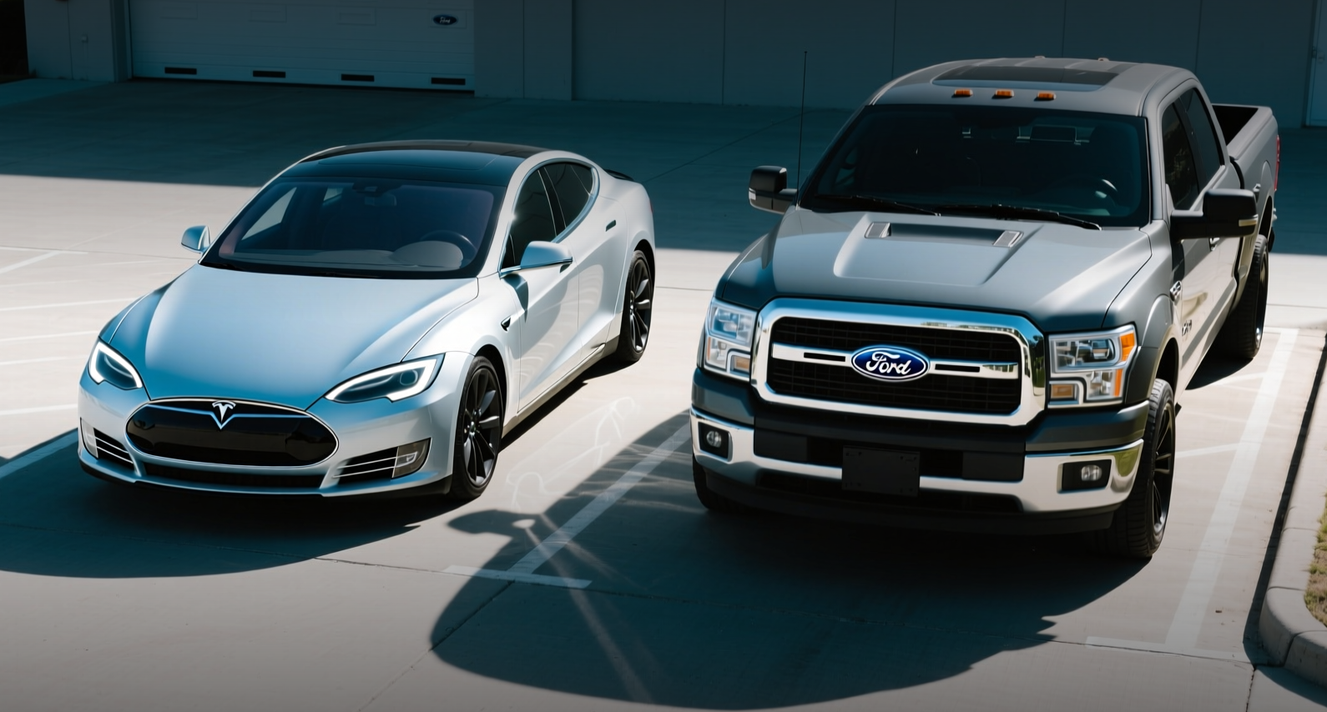
## Executive Summary The Trump administration has announced a proposal to significantly roll back Corporate Average Fuel Economy (CAFE) standards, a key regulatory framework governing vehicle emissions. The new plan targets a fleetwide average of approximately 34.5 miles per gallon (MPG) by the 2031 model year, a substantial reduction from the 50.4 MPG goal set by the prior administration. The move has been met with applause from traditional automakers such as **Ford**, **General Motors**, and **Stellantis**, who view the relaxed targets as more aligned with consumer demand and economic reality. Conversely, the decision creates significant headwinds for the electric vehicle (EV) market, particularly for companies like **Tesla**, and has drawn sharp criticism from environmental organizations. ## The Event in Detail At a White House event attended by auto industry executives, the administration unveiled its plan to amend the CAFE standards overseen by the National Highway Traffic Safety Administration (NHTSA). The proposal formally lowers the required year-over-year efficiency gains for automakers through 2031. The administration's stated rationale is to make vehicles more affordable, claiming the previous rules imposed expensive technologies that would have increased average vehicle prices by an estimated $1,000. Transportation Secretary Sean Duffy stated the new rules "are going to allow the automakers to make vehicles that Americans want to purchase." The proposal also seeks to establish a single national standard, a move intended to block states like California from imposing their own, stricter emissions requirements. ## Market Implications The rollback of CAFE standards is poised to reshape the U.S. automotive landscape. For traditional automakers, it provides significant regulatory relief and financial flexibility, allowing them to continue focusing on highly profitable internal combustion engine (ICE) vehicles, such as trucks and SUVs. This aligns with recent strategic shifts, such as **Ford** pausing production of its electric F-150 Lightning and **Stellantis** reintroducing Hemi V-8 engines. For the EV sector, the policy is a direct challenge. Stricter fuel economy standards effectively created a financial incentive for automakers to produce and sell EVs to balance their fleet's overall emissions average. By lowering the bar, the new rule diminishes this incentive, potentially slowing the rate of EV adoption in the United States. This could negatively impact **Tesla** and other companies reliant on the EV transition, as it weakens the business case for competitors to pivot away from gasoline-powered cars. While the administration claims consumers will benefit from lower upfront costs, critics argue that these savings will be negated by higher lifetime fuel expenditures. ## Expert Commentary The policy shift has drawn clear lines between industry stakeholders. **Ford CEO Jim Farley** praised the decision, calling it "a win for customers and common sense" and appreciating the alignment of standards with "market realities." Similarly, **Stellantis CEO Antonio Filosa** stated the automaker appreciates the administration's actions to "realign" the mileage standards "with real world market conditions." In stark contrast, environmental and clean energy advocates have condemned the move. **Dan Becker**, Director of the Safe Climate Transport Campaign for the Center for Biological Diversity, argued, "In one stroke Trump is worsening three of our nation’s most vexing problems: the thirst for oil, high gas pump costs and global warming." **Albert Gore**, executive director of the Zero Emission Transportation Association, noted, "Weakening fuel economy standards won’t do much to make cars more affordable but is certain to make Americans buy a lot more gasoline." ## Broader Context This regulatory rollback is a component of a broader strategy by the Trump administration to reverse clean energy policies, which has also included repealing the $7,500 consumer tax credit for EV purchases and blocking California’s authority to set its own vehicle emission standards. From a strategic perspective, the policy pivots the U.S. away from the global trend of vehicle electrification. While it may satisfy the current domestic consumer preference for larger, gasoline-powered vehicles, it carries the risk of ceding technological leadership in the growing green technology sector to international competitors, particularly China. Critics, including former EPA administrator Gina McCarthy, warn this could "hamstringing us in the green tech race against Chinese and other foreign carmakers," potentially harming the long-term competitiveness of the U.S. auto industry.

## Executive Summary Reports that the Trump administration is considering an executive order to centralize the regulation of robotics and artificial intelligence have ignited significant market speculation and a political clash between federal and state authorities. The news prompted a speculative intraday stock surge of nearly 80% for **iRobot (IRBT)**, demonstrating investor anticipation of a more streamlined, business-friendly federal framework. However, the proposal has drawn sharp opposition from a bipartisan coalition of 35 state attorneys general, who argue for their right to protect consumers through local legislation. This conflict introduces a new layer of regulatory risk for the rapidly growing AI and robotics sectors, with major technology firms and investors closely watching the outcome. ## The Event in Detail The core of the proposed executive order is to assert federal primacy over the governance of AI and robotics. A leaked draft suggests the **Department of Justice (DOJ)** would be directed to legally challenge state-level regulations deemed to interfere with interstate commerce or national interests. This strategy aims to dismantle the "patchwork" of rules emerging from states like California, whose aggressive AI safety and disclosure laws (set to take effect in 2026) are seen by some as creating a de facto national standard—a phenomenon known as the "California Effect." The news of this potential federal action was the direct catalyst for the dramatic, albeit temporary, spike in **iRobot's** stock price, a consumer robotics company that has otherwise faced struggling revenue and profit trends. ## Market Implications The immediate market reaction underscores the financial stakes of the regulatory debate. For robotics companies, a single federal standard could reduce compliance costs and accelerate product deployment. The market for agricultural robotics alone is projected to reach over $84 billion by 2032, and a predictable regulatory environment is critical for such growth. Technology giants including **Google (Alphabet)** and **Meta**, alongside venture capital firms like **Andreessen Horowitz**, have long advocated for national AI standards. A federal preemption would align with their operational goals of developing and deploying AI models on a national scale without bespoke, state-by-state modifications. Conversely, the ongoing uncertainty could stifle investment or lead to more market volatility as investors weigh the risks of a protracted legal battle between federal and state governments. ## Expert Commentary The debate has drawn commentary from legal and political experts on both sides. Proponents of federal oversight, such as **Kevin Frazier** of the University of Texas School of Law, argue that a unified approach is a constitutional necessity. In a recent analysis, he stated that the nation's founders intended to prevent individual states from dictating national policy, a principle he believes is essential for fostering a competitive and innovative AI ecosystem. On the other side, state officials have voiced strong opposition. A letter signed by 35 state attorneys general warned of "disastrous consequences" if the federal government blocks their ability to regulate AI. **New York Attorney General Letitia James**, who co-led the effort, stated, "Every state should be able to enact and enforce its own AI regulations to protect its residents." This sentiment was echoed by a bipartisan group of Texas senators who defended their state's recently passed **Texas Responsible Artificial Intelligence Governance Act (TRAIGA)** against federal overreach. ## Broader Context This conflict is a modern iteration of the foundational U.S. debate over federalism and states' rights. The "California Effect," where one large state's regulations influence national standards, is at the center of the administration's push for a unified policy. The economic implications are vast, extending beyond pure-play robotics companies to the technology infrastructure that enables them. Industry leaders like **NVIDIA**, which supplies critical AI chips, and major automation users like **Amazon** and **Tesla**, all have a vested interest in a clear and consistent regulatory landscape. How this conflict is resolved will not only shape the future of AI and robotics innovation in the U.S. but also set a precedent for how the nation governs transformative new technologies.

## Executive Summary Michael Burry, the investor known for his successful bet against the 2008 housing market, has publicly announced a renewed short position against **Tesla, Inc. (TSLA)**. In a post on his Substack newsletter, Burry declared the electric automaker "ridiculously overvalued," pointing to two primary financial concerns: significant, ongoing shareholder dilution through stock-based compensation and the sheer scale of CEO **Elon Musk's** compensation plan. This move places Burry in opposition to the broader Wall Street consensus and aligns with his recent bearish stance on other major technology firms. ## The Event in Detail Burry's analysis focuses on what he terms the "tragic algebra" of stock-based compensation (SBC). He calculates that **Tesla** dilutes its shareholders at a rate of approximately 3.6% per year due to SBC awards, a figure he highlights is not being offset by any share repurchase programs. This ongoing dilution, he argues, represents a significant and often overlooked cost to existing equity holders. The critique is compounded by **Elon Musk's** recently approved compensation package, which could be worth up to $1 trillion over the next decade. Burry contends this plan will inevitably accelerate shareholder dilution. This concern is set against **Tesla's** valuation metrics; the company's stock trades at a forward price-to-earnings (P/E) ratio of over 200, a stark contrast to the S&P 500 average of approximately 22. This premium valuation has been a long-standing point of contention for market bears. ## Market Implications Despite the high-profile nature of Burry's declaration, the immediate market reaction was muted, with **Tesla's** stock declining less than 1% following the news. This suggests that the market has either priced in such bearish arguments or remains confident in the company's long-term prospects. Burry's position is notably contrary to the prevailing Wall Street sentiment, where approximately three-quarters of analysts covering the stock maintain a "buy" or "hold" rating. Analysts at firms like Wedbush Securities have reaffirmed their support for the company and its leadership following the approval of Musk's pay plan. ## Expert Commentary Burry accompanied his financial analysis with a sharp critique of **Tesla's** evolving business narrative. He characterizes the company's strategic shifts in focus as reactive maneuvers rather than proactive innovation. > "The Elon cult was all-in on electric cars until competition showed up, then all-in on autonomous driving until competition showed up, and now is all-in on robots—until competition shows up." This is not Burry's first bearish bet against the automaker. In 2021, his former hedge fund, Scion Asset Management, held a significant short position against **Tesla** before closing it months later, reportedly for a loss. His current public stance follows the closure of his fund and a pivot to sharing his market analysis directly via his newsletter. ## Broader Context This short position on **Tesla** is part of a wider theme in Michael Burry's recent market commentary. He has also disclosed short positions against other technology giants, including **Nvidia (NVDA)** and **Palantir (PLTR)**, framing the current enthusiasm around artificial intelligence as a speculative bubble. By targeting several of the market's highest-flying stocks, Burry is positioning himself as a prominent critic of what he views as excessive valuations across the tech sector, echoing the analytical style that brought him to prominence during the subprime mortgage crisis.

## Executive Summary U.S. equity markets opened lower on Monday, with the Dow Jones Industrial Average declining by more than 200 points. The downturn was largely driven by a sell-off in high-valuation technology stocks, notably **Nvidia (NVDA)** and **Tesla (TSLA)**. This market activity occurs as reports surface regarding significant divestments by Peter Thiel's investment fund during the third quarter, raising questions about sentiment toward the market's high-growth leaders. ## The Event in Detail Following the market opening, the **Dow Jones Industrial Average** traded down approximately 0.42% to 47,515.41. The tech-heavy **NASDAQ Composite** experienced a more pronounced decline, falling 1.08% to 23,113.36, while the **S&P 500** also registered losses. The downward pressure was exemplified by sharp drops in the stock prices of **Nvidia** and **Tesla**, two key components of the "Magnificent Seven" group of stocks that have led market gains this year. ## Market Implications The targeted sell-off of prominent technology stocks like **Nvidia** and **Tesla** suggests growing investor caution. These actions may signal a potential rotation out of high-growth sectors that are sensitive to interest rate fluctuations and macroeconomic headwinds. The underperformance of these market leaders could weigh on broader investor confidence and potentially temper the market rally that characterized the end of November. ## Expert Commentary Recent disclosures reveal that billionaire investor Peter Thiel's fund executed significant sales in the third quarter. The fund completely liquidated its position in **Nvidia**, selling 537,742 shares, and reduced its holdings in **Tesla** by 76%. Financial analysts have characterized this move as "defensive," suggesting a strategic shift toward what are perceived as safer assets, such as **Microsoft (MSFT)** and **Apple (AAPL)**. This perspective is bolstered by reports that other high-profile investors, such as Michael Burry, have taken on significant short positions, indicating a bearish outlook from certain segments of the market. ## Broader Context The market's pullback follows a strong rally that capped a volatile November. The divestment decisions by institutional investors like Thiel may reflect a calculated strategy to realize profits and reduce risk exposure in high-valuation technology names. This trend could indicate an emerging institutional consensus that the significant run-up in certain tech stocks is unsustainable in the current economic environment, prompting a reallocation of capital toward more stable, value-oriented companies as the year concludes.

## Executive Summary Tesla's (**TSLA**) November performance in the European electric vehicle market presents a fractured picture, defined by significant registration declines in several key countries contrasted with a record-breaking sales surge in Norway. The data indicates that while the brand retains strong appeal in specific regions, it faces intensifying competitive pressures from established automakers like **Volkswagen** and new entrants like **BYD**, alongside potential brand perception issues. This divergence suggests a more complex and challenging European market for Tesla moving forward. ## The Event in Detail November registration data, a proxy for sales, reveals a sharp downturn for Tesla in several European nations. In France, registrations fell by 58% year-over-year to 1,593 vehicles. Similarly, Denmark reported a 49% drop to 534 units, and Sweden experienced a 59% decline. In stark contrast, the Norwegian market saw Tesla registrations skyrocket by 175% year-over-year. This performance contributed to Tesla setting a new all-time annual sales record in Norway with 26,649 vehicle registrations in 2025, surpassing the previous record held by **Volkswagen** since 2015. The success in Norway has been overwhelmingly led by sales of the Model Y. ## Market Implications The conflicting data points create a degree of uncertainty for investors regarding Tesla's European market share. The sharp declines in large markets like France cannot be easily dismissed and signal potential erosion of its once-dominant position. While the Norwegian success provides a positive data point, its ability to offset the broader slump is limited. This performance indicates that Tesla can no longer rely on uniform growth across the continent and must navigate increasingly distinct national market dynamics. ## Broader Context Tesla's struggles in parts of Europe are amplified by a more competitive landscape. In October, China's **BYD** (**002594.SZ**) sold 17,470 cars across Europe, more than double Tesla's sales for the same period. Meanwhile, Germany's **Volkswagen** (**VOWG.DE**) reported a 78.2% increase in its EV sales to 522,600 units through September of this year, tripling Tesla’s volume. Furthermore, some reports suggest the sales turmoil has been compounded by public protests in the region following controversial public statements from CEO Elon Musk, potentially impacting brand sentiment among European consumers.

## Executive Summary In a market environment where large-capitalization stocks, particularly in the technology sector, have reached historically high valuations, investment analysts are redirecting focus toward the small-cap segment. This cohort of companies, typically with market capitalizations between $300 million and $2 billion, is being highlighted for its potential for significant growth, diversification benefits, and exposure to emerging trends like Artificial Intelligence (AI). The central thesis is that while mega-cap stocks appear fully valued, numerous smaller firms with sound fundamentals and strategic positioning in growth sectors are currently trading at a discount, presenting opportunities for long-term investors. ## Spotlight on Small-Cap Opportunities Analysts are identifying promising small-cap stocks across a range of industries, moving beyond broad-market ETFs to select individual companies with specific catalysts. A notable trend is the focus on firms integrating AI to innovate and improve operational efficiency. Companies such as **CleanSpark (CLSK)**, **Five9 (FIVN)**, **JAMF (JAMF)**, **PagerDuty (PD)**, and **Sprout Social (SPT)** are cited as examples of businesses using AI to enhance their product offerings rather than building the foundational infrastructure. This application-layer focus distinguishes them from AI hardware giants like **NVIDIA (NVDA)**. Beyond technology, the search for value extends to more traditional sectors. Industrial firms like **China Yuchai International (CYD)**, a manufacturer of diesel and natural gas engines, and consumer-oriented companies such as **Calavo Growers (CVGW)**, a global leader in avocado and guacamole distribution, are also being analyzed for their growth potential and attractive valuations. This sector-diverse approach underscores a broader search for "hidden gems" that are currently out of favor but possess strong underlying fundamentals. ## Market Implications and Strategy Historically, small-cap stocks, as measured by the **Russell 2000** index, have demonstrated periods of outperformance against the large-cap **S&P 500**. Data since 2000 shows that despite recent dominance by large-caps, the small-cap segment has delivered higher returns over the long term. The current argument for a potential rotation into small caps is anchored in valuation. Many popular large-cap AI-related stocks trade at very high multiples with low earnings yields, which may limit future return potential. In contrast, a value-investing approach, which involves purchasing companies at or below their intrinsic value, is being applied to the small-cap space. This strategy requires investors to assess future cash flows and fundamentals rather than chasing market momentum. However, it is crucial to acknowledge that small-cap stocks are inherently more volatile and less stable than their large-cap counterparts, making them better suited for investors with a long-term horizon and a higher tolerance for risk. ## Expert Commentary Financial experts are increasingly vocal about the opportunities in this market segment. Marci McGregor, head of Portfolio Strategy for the Chief Investment Office at **Merrill Lynch**, states, "Given their current low valuation, we see small caps as an asset class well worth exploring for both potential growth and diversification." This sentiment is echoed by value-investing proponents like Chuck Carnevale of FAST Graphs, who advises investors to look for smaller companies with real AI tailwinds that are fundamentally sound. The strategy, he notes, is to "identify reasonably valued AI opportunities instead of speculating on already-expensive market darlings." ## Broader Economic Context This renewed interest in small caps is occurring as major indices like the **Dow Jones Industrial Average** and **S&P 500** have posted significant gains. However, this rally has been largely driven by a narrow group of mega-cap technology companies, including **Microsoft (MSFT)**, **Meta Platforms (META)**, and **Tesla (TSLA)**. This concentration of performance has led sophisticated investors to seek diversification and new sources of growth. While large-caps have delivered exceptional returns over the past decade, the search for the next wave of high-growth companies is leading investors back to the small-cap market, where the potential for a business to expand is inherently greater.

## The Event in Detail **Tesla (TSLA)** shareholders have voted to approve the largest compensation package in corporate history for CEO Elon Musk. The plan, valued at nearly $1 trillion over a ten-year period, secured over 75% of the shareholder vote. This decision reaffirms shareholder confidence in Musk's leadership despite ongoing legal and governance challenges. The approval comes after a Delaware judge previously voided a smaller, $50 billion pay package from 2018, creating a complex legal backdrop for the new arrangement. ## Financial Mechanics of the Compensation Plan The compensation is not a direct salary but a performance-based award contingent on **Tesla** achieving a series of aggressive milestones. The structure is designed to heavily incentivize the company's expansion beyond electric vehicles into artificial intelligence and robotics, with one stated benchmark being the sale of one million humanoid robots. If all targets are met, the package could increase Musk's ownership stake in the company to as much as 29%. This aligns with his public demands from early 2024 for a larger voting share to steer the company's AI-focused future. ## Market Implications and Corporate Strategy This pay structure solidifies **Tesla's** strategic pivot from a specialized EV maker to a diversified technology firm centered on AI. By tying the CEO's compensation directly to this ambitious vision, the board is signaling that **Tesla's** long-term valuation is predicated on success in AI and robotics. However, this move was not without opposition. Leading proxy advisory firms, including Glass Lewis and ISS, recommended that shareholders vote against the package, highlighting a significant disconnect between institutional governance standards and the sentiment of **Tesla's** investor base. The approval underscores the board's and shareholders' belief that Musk is indispensable to the company's future, effectively prioritizing his vision over conventional corporate governance norms. ## Broader Context and Expert Commentary The sheer scale of the package has drawn widespread attention. The projected annual compensation of $100 billion is approximately $3 billion more than the combined annual pay of all 1.4 million elementary school teachers in the United States and is roughly equivalent to the total earnings of the nation's 3.2 million cashiers. This stark contrast places **Tesla** at the center of a broader debate on executive compensation and wealth inequality. While the board maintains that the record-setting package ultimately benefits shareholders by aligning Musk's interests with **Tesla's** long-term growth, the decision is expected to trigger further discussions and potential challenges regarding the fiduciary responsibilities of corporate boards.

## Executive Summary Didi Global has announced a two-pronged strategic expansion, reinforcing its commitment to the autonomous vehicle sector and re-entering the Brazilian food delivery market. The company plans to scale its **Robotaxi** fleet to over 1,000 vehicles by 2025 through a partnership with **Guangzhou Automobile Group**. Simultaneously, it is relaunching its food delivery service in Brazil under the “**99 Food**” brand, backed by a significant investment to compete in the burgeoning Latin American market. These initiatives highlight Didi's strategy of leveraging its core ride-hailing business to build a comprehensive service ecosystem, despite investor concerns regarding increased spending in a volatile global market. ## The Event in Detail ### Robotaxi Fleet Expansion Didi is significantly accelerating its autonomous vehicle ambitions, with plans to deploy more than 1,000 **Robotaxis** by 2025. This move is part of a larger partnership with **Guangzhou Automobile Group** to mass-produce autonomous vehicles, positioning Didi to compete directly with other major players in the space, including **Tesla** and **Pony.ai**. The company has expressed long-term goals of operating a fleet of over 20,000 self-driving vehicles within the next six years, signaling a strong belief in the commercial viability of autonomous ride-hailing services. ### Brazilian Food Delivery Relaunch In a move to diversify its international revenue streams, Didi has officially relaunched its food delivery operations in Brazil. Operating under the **99 Food** brand—named after the Brazilian ride-hailing company Didi acquired in 2018—the service aims to challenge established local players. The company has reportedly committed BRL 2 billion to the expansion, which will initially target 15 cities by the end of the year and expand to 20 more by January 2026. This re-entry is strategically timed to counter the aggressive international expansion of its Chinese rival, **Meituan**. ## Market Implications The dual expansions carry significant implications for both the autonomous vehicle and food delivery sectors. In the **Robotaxi** space, Didi’s push for mass production intensifies the competition among technology and automotive firms racing to achieve Level 4 and Level 5 autonomy at scale. Didi’s partnership with a major automaker like **Guangzhou Automobile Group** suggests a strategic focus on hardware integration and manufacturing efficiency. In Latin America, Didi’s re-entry into the food delivery market is set to disrupt the current landscape dominated by players like **iFood** and **Uber Eats**. According to one local analyst, “User frustration with iFood presents an opportunity for Didi to capitalize on shifting sentiment.” By drawing on its successful playbook from Mexico—where it targeted smaller cities and used competitive pricing—Didi aims to build an integrated “mobility + delivery + payments” ecosystem. This strategy could become its blueprint for expansion across the continent. ## Expert Commentary While the strategic rationale is clear, some investors have expressed reservations. Sources familiar with the matter noted that some are “a bit worried about Didi’s increased spending by launching food delivery in Brazil, especially when the global equity market is under turmoil.” However, Didi’s international business has shown robust growth, reporting a 34.8% year-over-year increase in gross transaction value to $12.6 billion in 2024, providing a strong foundation for these new investments. ## Broader Context Didi’s latest moves are emblematic of a larger trend of Chinese technology giants seeking international growth to offset domestic market saturation. The expansion into Brazil represents a direct confrontation with **Meituan** on foreign soil, marking a new phase in their rivalry. The success of Didi's integrated ecosystem model in Latin America will serve as a critical test for its global ambitions and its ability to replicate its domestic dominance in diverse and competitive international markets.

## Executive Summary Compass (COMP), the largest real estate brokerage in the United States, has experienced a significant stock price appreciation of nearly 29% in the past month and approximately 80% year-to-date. This rally has intensified the debate among investors regarding the company's intrinsic valuation, pitting its strong market momentum against concerns over its fundamental financial health and business model vulnerabilities. ## The Event in Detail The stock's recent performance marks a sharp reversal from its post-IPO trajectory, which saw shares fall 29% in May of its initial public offering year. The current surge reflects renewed investor interest, yet it also brings the company's valuation into sharp focus. Two competing narratives have emerged: one suggesting the stock is overvalued due to speculative momentum, and another arguing it is undervalued given its dominant market position. ## Market Implications The primary implication for investors is heightened uncertainty. The stock's volatility presents a classic growth-versus-value dilemma. A key factor influencing future performance is the company's revenue structure, which is heavily reliant on commissions. This model is susceptible to downturns in the real estate market and potential regulatory changes affecting brokerage fees, posing significant risks to sustained profitability. ## Expert Commentary The debate over Compass's valuation mirrors discussions surrounding other market leaders with high growth multiples. One perspective aligns with a cautious view, warning that the current stock price may not be justified by near-term earnings, drawing parallels to post-IPO hype cycles that eventually fade. An alternative viewpoint, however, suggests **Compass** could be undervalued relative to its long-term strategic potential. This argument is analogous to the valuation of **Tesla (TSLA)**, where market leadership and innovation are believed to justify a premium that is not fully captured by current financial metrics. ## Broader Context The **Compass** situation is emblematic of a wider market theme in 2025 regarding stock valuation. Investors are increasingly grappling with how to price companies using traditional metrics like price-to-book ratios versus forward-looking potential. While historical data suggests that stocks with low price-to-book ratios tend to outperform over the long term, such metrics have not been consistently strong predictors of future returns in the broader market, particularly for disruptive companies in dynamic sectors. The core question remains whether **Compass's** market leadership can translate into long-term shareholder value, a question that the market has yet to definitively answer.

## Executive Summary China's Ministry of Industry and Information Technology (MIIT) has signaled a significant policy shift for the power and energy storage battery industry, convening a symposium with top manufacturers to address disorderly and "irrational" competition. The meeting, attended by industry leaders from **BYD**, **Contemporary Amperex Technology (CATL)**, and **EVE Energy**, indicates a move by regulators to stabilize a market plagued by aggressive price wars and overcapacity. This intervention is poised to reshape the competitive landscape, likely favoring consolidation and promoting higher-quality, technologically-driven growth over sheer volume. ## The Event in Detail On November 28th, the MIIT assembled key executives, including **Wang Chuanfu (CEO of BYD)**, **Li Ping (Vice Chairman of CATL)**, and **Liu Jincheng (Chairman of EVE Energy)**, to discuss the pressing challenges facing the lithium battery sector. The agenda focused on three core areas: the current state of market competition, the trajectory of technological development, and the framework for intellectual property protection. The explicit goal was to gather suggestions for policies that would guide the industry toward more orderly and sustainable development, moving away from the current cycle of value-destructive price competition. ## Analyzing the Industrial Strategy The symposium serves as a direct regulatory response to the economic pressures within the lithium-ion battery market. Intense domestic competition has led to a significant drop in battery prices, eroding profit margins across the supply chain. While this has accelerated the adoption of electric vehicles and energy storage systems, it has also created an unsustainable business environment. The MIIT's engagement suggests a strategic pivot from fostering rapid expansion to ensuring long-term industrial health. The focus on "high-quality development" implies that forthcoming policies may include measures to discourage the construction of low-end production facilities and encourage investment in next-generation battery technologies. ## Market Implications A regulatory crackdown on price wars would have profound market implications. Such a move would likely trigger a wave of consolidation, as smaller, less efficient producers unable to compete on technology or scale would be forced to exit the market. This would benefit market leaders like **BYD** and **CATL**, which possess stronger balance sheets and more advanced technological roadmaps. For investors and downstream customers, this could lead to more stable and predictable battery pricing, though potentially at higher levels than the recent market lows. The intervention is expected to de-risk the sector and improve overall profitability for the remaining players. ## Broader Context and Precedents This regulatory action is not without precedent. The MIIT has previously intervened in the solar power industry, where it similarly addressed overcapacity and ruinous price competition by summoning top manufacturers like **LONGi** and **JA Solar**. That intervention aimed to restore order and is seen as a playbook for the current situation in the battery sector. Furthermore, this meeting precedes the official launch of China’s "15th Five-Year" special plan, which is set to prioritize the next-generation battery industry. The insights from this symposium are expected to directly inform this strategic national plan. On a global scale, leading Chinese firms like **BYD** are expanding aggressively in overseas markets such as Thailand and Brazil, putting them in direct competition with international players like **Tesla**. Ensuring a stable and profitable domestic base is crucial for sustaining this global expansion amid geopolitical risks.

## Executive Summary The semiconductor foundry market is witnessing an escalation in competition as **Samsung Electronics** has secured a landmark $16.5 billion contract to manufacture **Tesla's** next-generation AI chips. This move directly challenges the market dominance of **Taiwan Semiconductor Manufacturing Co. (TSMC)**, which is simultaneously executing an aggressive expansion of its own advanced-node manufacturing capabilities, including its 2-nanometer (2nm) and 1.4-nanometer (1.4nm) processes, to meet the explosive demand driven by artificial intelligence. ## The Event in Detail **Samsung** has entered into a multi-year agreement, reportedly spanning from 2025 to 2033, to produce **Tesla's** "A16" AI system-on-a-chip (SoC). The production will leverage **Samsung's** 2nm fabrication process at its new, delayed plant in Taylor, Texas. This chip is expected to power **Tesla's** future electric vehicles, robotaxis, and robotics platforms. The deal is a significant endorsement of **Samsung's** foundry capabilities, particularly its 2nm process, which has reportedly achieved a yield rate exceeding 60%. This strategic win was confirmed by **Tesla** CEO Elon Musk and is seen as a critical step for **Samsung** to secure more high-profile clients, with reports suggesting **Qualcomm** may also place orders for the same 2nm technology. In response, **TSMC** is accelerating its own roadmap. The Taiwanese giant plans to operate a total of ten 2nm factories in Taiwan, with three new fabs slated for Tainan. The company aims to begin mass production of 2nm products in 2025, with a target to double its monthly wafer capacity from 40,000 to between 80,000 and 90,000 by the end of that year. Furthermore, **TSMC** is pushing beyond 2nm, having broken ground on its first 1.4nm fab and fast-tracking its Arizona, USA expansion to begin 2nm and A16 (1.6-nanometer) production in 2027. ## Market Implications This contract represents a major victory for **Samsung's** foundry division in its long-standing rivalry with **TSMC**. It provides **Samsung** with a crucial, large-volume anchor client for its most advanced process node, potentially improving its market share and validating its technology for other prospective customers. The heightened competition gives significant bargaining power to large-scale chip designers such as **NVIDIA**, **Apple**, and now **Tesla**. With two viable cutting-edge foundries to choose from, these firms can negotiate more favorable pricing and capacity allocation. However, the massive capital expenditures by both **Samsung** and **TSMC** raise concerns about potential future overcapacity should the growth in AI demand not meet projections. The duopoly's expansion into the U.S. also reflects a broader geopolitical trend of localizing critical semiconductor supply chains. ## Expert Commentary Industry sentiment reflects the gravity of this development. Han Jin-man, **Samsung's** new foundry chief, has stated he will go "all-in" to improve the company’s 2nm technology and secure more clients. Elon Musk’s public confirmation of the deal via posts on X serves as a powerful market signal, indicating **Tesla's** confidence in **Samsung's** manufacturing capabilities. The dedication of **Samsung's** new Texas fab to **Tesla's** chip underscores the depth of the partnership. ## Broader Context The battle for 2nm supremacy is a foundational element of the global AI arms race. The capabilities of next-generation AI models and applications are intrinsically linked to the power and efficiency of the underlying silicon. This race extends beyond 2nm, with both **TSMC** (with its 1.4nm process) and **Samsung** investing heavily in future Angstrom-era nodes. The outcome of this foundry war will determine the technological leadership for the next decade, influencing everything from consumer electronics and automotive technology to large-scale AI infrastructure.

## Market Overview: Diverse Reactions to Corporate News U.S. equities experienced varied movements this week as investors reacted to a series of significant corporate announcements, including third-quarter earnings reports, a major acquisition, and strategic partnerships. The diverse nature of these events led to pronounced individual stock performances, reflecting specific company fundamentals and evolving sector dynamics. ## Corporate Performance and Strategic Shifts in Detail **Expedia Group (EXPE)** emerged as a leading performer, with its stock advancing by **17.92%** after reporting robust third-quarter 2025 earnings. The travel technology giant exceeded analyst expectations, posting revenue of **$4.41 billion**, an 8.7% increase year-over-year, surpassing the Zacks Consensus Estimate of $4.3 billion. Adjusted Earnings Per Share (EPS) reached **$7.57**, a 23% year-over-year increase, significantly outperforming analyst forecasts of $6.98. The company attributed this strong performance to increased U.S. demand and enhanced marketing efficiency, further bolstered by virtual agents handling over half of customer inquiries, which lowered service costs. Expedia also raised its full-year 2025 guidance, projecting gross bookings growth around 7% and revenue growth between 6-7%. Conversely, **Tesla (TSLA)** shares experienced a decline, approximately **4.5%**, following shareholder approval of a substantial pay package for CEO Elon Musk. On November 6, 2025, the stock closed down **3.54%** at $445.91 on NASDAQ, with an intraday low of $424.48 on November 7. While the package, potentially worth $1 trillion, received over 75% shareholder support, aiming to secure Musk's commitment to the company's artificial intelligence and robotic initiatives, the immediate market reaction was negative. The stock did show a modest rebound of **1.57%** in after-hours trading. **Yum! Brands (YUM)** saw its stock rise by **5.7%** after announcing better-than-expected third-quarter results and initiating a strategic review for its **Pizza Hut** brand. The company reported adjusted EPS of **$1.58**, growing roughly 15% from the previous year and exceeding analyst estimates, even as total revenue of $1.98 billion slightly missed market forecasts. A notable achievement was a record **$10 billion** in digital sales for the quarter, now accounting for 60% of all system sales, indicating successful technological integration. The strategic review for Pizza Hut aims to maximize shareholder value and explore options such as a sale, divestment of a stake, or a joint venture. The consumer health sector witnessed a significant development with **Kimberly-Clark Corporation (KMB)** announcing its intent to acquire **Kenvue Inc. (KVUE)**. Kenvue shares climbed over **18%** on the news. The cash and stock transaction values Kenvue at an enterprise value of approximately **$48.7 billion**. Kenvue shareholders are set to receive $3.50 per share in cash and 0.14625 Kimberly-Clark shares, totaling $21.01 per share based on Kimberly-Clark's closing price on October 31, 2025, representing a roughly 46% premium to Kenvue's prior close. The combined entity is projected to generate around $32 billion in annual net revenue and approximately $7 billion in adjusted EBITDA, with expected cost synergies of $1.9 billion to be realized within three years post-closing. In the burgeoning artificial intelligence (AI) infrastructure space, **IREN Ltd. (IREN)** stock surged, initially jumping **11%** and peaking at a **24.7%** intraday gain. This significant movement followed the announcement of a **$9.7 billion**, five-year cloud services agreement with **Microsoft (MSFT)**. Under this deal, IREN will provide Microsoft with access to **NVIDIA (NVDA)** GB300 graphics processing units at its Childress, Texas campus, supported by a substantial 20% prepayment from Microsoft. Furthermore, IREN disclosed a separate **$5.8 billion** agreement with **Dell Technologies (DELL)** for the acquisition of GPUs and related equipment, to be deployed in phases through 2026. The market capitalization of IREN has escalated to $18.5 billion, marking a sixfold increase year-to-date. ## Analysis of Market Reaction and Broader Context The week's market movements illustrate investor sensitivity to both corporate financial health and strategic positioning. Expedia's robust earnings highlight the continued recovery and digital transformation within the travel industry, rewarding operational efficiency and strong demand. Yum! Brands' performance underscores the growing importance of digital sales channels in the quick-service restaurant sector and the proactive approach of companies in re-evaluating core assets like Pizza Hut for optimal value. The **Kimberly-Clark-Kenvue** acquisition signifies a trend of consolidation within the consumer health and staples sectors, as larger entities seek to expand market share and leverage synergies for improved profitability. The significant premium offered to Kenvue shareholders reflects the perceived strategic value of its brands and market position. IREN's impressive ascent is a direct consequence of the escalating demand for **AI infrastructure**. The multi-billion-dollar deals with **Microsoft** and **Dell Technologies** position IREN as a critical player in providing the computational backbone necessary for advanced AI development. This aligns with the broader narrative of the AI boom driving substantial investments in hardware and cloud services. Cantor Fitzgerald analyst **Brett Knoblauch** characterized the Microsoft deal as a "game-changing" development for IREN, raising his price target for the stock to $142 from $100. Tesla's share decline post-Musk's pay package approval, despite the overwhelming shareholder support, indicates that some investors may be weighing the potential dilution or governance concerns against the ambitious long-term goals. While the package is tied to aggressive performance milestones in AI and robotics, the immediate market sentiment suggests caution. ## Looking Ahead Investors will continue to monitor the execution of strategic plans and the realization of anticipated synergies from the **Kimberly-Clark-Kenvue** merger, with its expected closure in the second half of 2026. For Yum! Brands, the outcome of the Pizza Hut strategic review will be a key determinant of future performance and could signal further restructuring within the quick-service restaurant landscape. The continued growth in AI infrastructure, exemplified by IREN's expansion and partnerships, suggests sustained demand for high-performance computing resources, keeping **NVIDIA** and other GPU providers in focus. Tesla's stock performance will likely be tied to progress on its AI and robotics initiatives, balancing shareholder confidence with the delivery of ambitious targets. Upcoming economic reports and further corporate earnings will provide additional insights into the broader market trajectory.

## European Markets Conclude Week Lower Amid AI Valuation Scrutiny European markets extended losses on Friday, with major indices closing lower for a second consecutive session. Investor sentiment was predominantly shaped by persistent concerns over elevated valuations within the artificial intelligence sector, coupled with a series of diverse corporate earnings reports and economic data releases. ## Market Performance Across Europe The **pan-European Stoxx 600 index** declined by **0.7%**. Across key regional markets, the **U.K.'s FTSE 100** ended the day down **0.42%**. Both **Germany's DAX** and **France's CAC 40** experienced more significant drops, closing lower by **1.31%** and **1.36%**, respectively. **Switzerland's SMI** also registered a loss of **0.52%**. This broad-based decline reflected a cautious mood among investors, influenced by earlier weakness in Wall Street stemming from similar tech valuation concerns. Individual stock movements presented a mixed picture. In the German market, **SAP** (SAP), and **Deutsche Boerse** (DB1) saw declines ranging from **4.1% to 4.6%**. **Brenntag** (BNR) closed lower by **3%**. Other notable decliners included **Siemens Energy** (ENR), **Qiagen** (QGEN), **Gea Group** (G1A), **BMW** (BMW), **Daimler Truck Holding** (DTG), **Siemens Healthineers** (SHL), **Siemens** (SIE), **Infineon** (IFX), **Deutsche Bank** (DBK), and **Porsche Automobil** (PAH3), all shedding between **1% and 2.3%**. **Commerzbank** (CBK) also drifted lower after its third-quarter results fell short of analysts' estimates. Conversely, some companies reported strong gains. **Deutsche Post** (DPW) surged more than **8%** following higher earnings in the third quarter, with profit before income taxes rising to €1.269 billion from €1.158 billion year-over-year. Online fashion retailer **Zalando** (ZALG) climbed more than **7%** on strong results, attributed in part to its acquisition of rival About You. ## Artificial Intelligence Valuations Under Scrutiny A significant driver of the market's cautious tone was the re-ignition of "AI bubble fears" among global investors. Warnings from prominent financial leaders underscored concerns about stretched valuations in the technology sector, which has been a primary engine of market gains over the past two years. **Rightmove PLC** (RMG), the U.K.-based property portal, experienced a sharp decline, with its shares sinking over **25%** on Friday. The company projected slower profit growth for 2026, citing increased investment in artificial intelligence capabilities. **Rightmove** stated an incremental profit and loss investment of approximately £12 million and an additional £6 million in capitalized spending for future technology and AI development, which implies a **4-6% downgrade to consensus operating profit**. Chief Executive Johan Svanstrom emphasized, "AI is now becoming absolutely central to how we run our business and plan for the future." This move highlighted the immediate financial impact of substantial AI investment on a company's near-term profitability outlook. In contrast to the broader cautious sentiment, **ITV** (ITV) shares soared **16.6%**. The U.K. broadcaster confirmed it was in preliminary talks to sell its broadcasting arm to Comcast, the parent company of Sky, in a deal reportedly valued at £1.6 billion. This potential acquisition, which could give Comcast significant control over the U.K. TV ad sales market, provided a substantial boost to **ITV's** stock. Meanwhile, **Novo Nordisk** (NVO) shares fell **5.1%** after the Danish drugmaker, along with U.S. rival **Eli Lilly** (LLY), agreed to lower prices for their GLP-1 weight-loss drugs with the U.S. government. The agreement is expected to reduce monthly prices for U.S. government programs and cash payers to between $149 and $350, down from current ranges of $500 to $1,000. While analysts anticipate a near-term headwind on revenue, the move may boost volumes in the medium to long term. ## Broader Context: Tech Bubble Fears and Divergent Central Bank Policies The sharp retreat in artificial intelligence stocks this week has intensified discussions around potential overvaluation in the tech sector. **Goldman Sachs CEO David Solomon** recently warned investors of a "likely" **10-20%** equity market correction within the next two years. Similarly, **Bank of England Governor Andrew Bailey** issued direct warnings about AI bubble risks, suggesting that the "very positive productivity contribution" from tech companies could be jeopardized by uncertainty surrounding future earnings. Specific AI-related stocks have shown vulnerability. Companies such as **Palantir Technologies** (PLTR), despite raising revenue outlooks, have faced declines due to "eye-watering" forward P/E ratios exceeding **700**. While essential to AI infrastructure, **Nvidia** (NVDA) and **Advanced Micro Devices** (AMD) also possess P/E ratios significantly above market averages, making them susceptible to corrections if growth projections falter. The "Magnificent Seven" AI-related stocks—**Nvidia** (NVDA), **Amazon** (AMZN), **Apple** (AAPL), **Microsoft** (MSFT), **Tesla** (TSLA), **Alphabet** (GOOGL), and **Meta Platforms** (META)—experienced one-day falls in early November 2025, underscoring broad pressure on the sector. Adding another layer of complexity to the global financial landscape is the divergence in monetary policies between leading central banks. While the **U.S. Federal Reserve** has been engaged in a rate-cutting cycle, signaling a pivot towards looser monetary conditions with its benchmark federal funds rate at **3.75%-4.00%**, the **European Central Bank** (ECB) has maintained a data-dependent holding pattern. This policy schism is influencing capital flows and dictating sector performance, contributing to the varied market reactions observed. ## Expert Perspectives on AI Valuations > "The very positive productivity contribution from tech companies could be derailed by uncertainty around future earnings." > — **Andrew Bailey, Governor, Bank of England** > "There's a likely 10-20% equity market correction sometime in the next two years." > — **David Solomon, CEO, Goldman Sachs** These comments reflect a growing sentiment among financial leaders that while AI's potential is significant, current valuations may not be fully justified by concrete, near-term earnings, particularly as investors shift their focus from "expectation" to "evidence." ## Looking Ahead The coming weeks will likely see continued scrutiny of AI-related valuations, with investor focus shifting towards companies that can demonstrate tangible returns on their AI investments. Further corporate earnings reports will provide more clarity on specific sector and company performance. The ongoing divergence in monetary policies between the U.S. Federal Reserve and the European Central Bank will also remain a key factor, influencing capital flows and overall market stability. Investors will be closely watching for any new economic data or central bank communications that could signal shifts in monetary policy or provide clearer guidance on the global economic outlook.

## Market Landscape Influenced by Judicial Review, Executive Compensation, and Sectoral Earnings U.S. equities are reacting to a complex interplay of legal, corporate governance, and earnings-driven events. The **Supreme Court** is deliberating on the legality of prior tariff policies, with significant implications for trade and corporate balance sheets. Concurrently, **Tesla (TSLA)** shareholders are casting decisive votes on a contentious executive compensation package, and the airline industry faces mandated capacity reductions. Meanwhile, the technology and media sectors present a mixed earnings picture, with **Snap (SNAP)** demonstrating strength while **Pinterest (PINS)** and **Warner Bros. Discovery (WBD)** report weaker-than-anticipated results. ## Supreme Court Examines Tariff Legality Investors are closely monitoring oral arguments before the **Supreme Court** concerning the legality of tariffs imposed by former President Trump. Wall Street strategists suggest that a ruling invalidating these tariffs could initiate a "sell America" trade, potentially impacting U.S. stocks, bonds, and the dollar. **Manish Singh**, chief investment officer at Crossbridge Capital Group, noted the market's current comfort with reduced tariffs, warning that a disruption could induce volatility. Former President Trump has voiced concerns that overturning his tariffs would negatively affect the U.S. economy, asserting their role in boosting stocks. Polymarket data indicates a rising expectation, approximately 60% as of Tuesday, that the tariffs will be overturned. Should the tariffs be deemed illegal, American consumers and thousands of companies stand to benefit, particularly major retail and electronics firms such as **Walmart (WMT)**, **Samsung**, **Target (TGT)**, **Amazon (AMZN)**, and **LG Group**. These companies could be eligible for refunds on tariffs already paid, potentially leading to substantial financial benefits. Trade experts highlight that electronics, retail, and consumer product sectors would see the most significant advantages from such a ruling, both through direct refunds and the prevention of future tariff-related costs. ## Tesla Shareholders Vote on Musk's Compensation Plan **Tesla (TSLA)** shareholders are currently voting on a proposed compensation package for CEO **Elon Musk**, potentially valued at up to $1 trillion. This plan, initially proposed in September, could award Musk up to 12% of **Tesla**'s stock, contingent on the company achieving an $8.5 trillion market capitalization and other operational milestones over a decade. This valuation target represents a 466% increase from **Tesla**'s current market capitalization of approximately $1.45 trillion and is notably 70% higher than **NVIDIA Corp.'s (NVDA)** recent $5 trillion market cap record. Despite the **Tesla** board Chair **Robyn Denholm** warning of potential CEO departure if the package is not approved, the proposal faces considerable opposition. Norway's sovereign wealth fund, a significant external investor in **Tesla**, has announced its intention to vote against the plan, citing concerns regarding the award's immense size, the potential for shareholder dilution, and key person risk. While early indications suggest likely approval, the debate underscores growing scrutiny of executive pay at this scale. ## U.S. Airline Industry Faces Capacity Cuts Amid Staffing Shortages The U.S. airline sector is experiencing headwinds as the government mandates a 10% reduction in air traffic at 40 major airports. This measure, driven by ongoing staffing shortages within the Federal Aviation Administration (FAA) exacerbated by a government shutdown, aims to manage operational pressures. Transportation Secretary Sean Duffy confirmed that these reductions, starting with a 4% cut on Friday and escalating to 10%, will primarily affect flights between 6 a.m. and 10 p.m. The decision is expected to lead to numerous flight cancellations, with aviation analytics firm Cirium predicting potentially 1,800 canceled flights affecting over 268,000 seats. Airports such as Harry Reid International Airport in Las Vegas are among those at risk, compounding challenges for local tourism industries already experiencing declines. The reductions highlight the fragility of the aviation system under strain and its potential impact on travel-related sectors. ## Divergent Performances in the Technology and Media Sectors ### Snap (SNAP) Shares Advance on Strong Earnings and AI Partnership **Snap Inc. (SNAP)** shares surged by over 16.4% in premarket trading following a robust third-quarter earnings report and the announcement of a $400 million partnership with AI firm Perplexity. The deal, which will integrate **Perplexity**'s AI engine into Snapchat's Chat interface, represents a strategic move to enhance the platform's AI capabilities and compete more effectively. **Perplexity** will provide $400 million over the next year through a combination of cash and equity, with revenue contributions expected from 2026. For Q3 2025, **Snap** reported revenue of nearly $1.51 billion, a 10% year-over-year increase, surpassing analyst estimates of $1.49 billion. Daily active users expanded to 477 million, an 8% increase year-over-year. The company's board also approved a $500 million stock repurchase program. Despite these positive developments, **Snap** stock remains down 32% year-to-date, trading below its 52-week range, suggesting potential for upside if the AI partnership delivers on its promise. ### Pinterest (PINS) Declines Following Earnings Miss and Weak Guidance **Pinterest (PINS)** shares experienced significant selling pressure after its third-quarter results missed profit expectations and its Q4 guidance fell below consensus estimates. The social platform reported a profit of $0.38 per share, an improvement from $0.32 a year ago but 4 cents below expectations. Adjusted EBITDA rose 24% year-over-year to $306.1 million, slightly exceeding estimates, and the adjusted EBITDA margin improved to 29%. Despite a 17% increase in total revenue to $1.05 billion, driven by a 30% rise in monthly active users, the market reacted negatively to the profit miss and cautious outlook. For the current quarter, **Pinterest** projects revenue between $1.31 billion and $1.34 billion, with the midpoint falling short of the $1.34 billion estimate. Shares declined as much as 19% in after-hours trading, reflecting investor concerns over future profitability. ### Warner Bros. Discovery (WBD) Reports Sub-Par Q3 Results Amid Strategic Review **Warner Bros. Discovery (WBD)** shares fell after the company announced third-quarter financial results that did not meet Wall Street forecasts. The media giant reported revenue of $9.05 billion, missing the consensus estimate of $9.24 billion, and also failed to meet profitability benchmarks. The earnings miss comes amid reports that **Warner Bros. Discovery** is exploring various strategic options, including a potential sale of the entire company, or splitting and selling assets. Reports indicate that the company aims to make a decision by Christmas regarding accepting a bid from potential suitors, such as **Paramount (PARA)**, or proceeding with a planned split in April 2026. In a post-split scenario, entities like **Netflix (NFLX)**, **NBCUniversal**, and **Amazon (AMZN)** could express interest in acquiring its streaming and studio businesses. The uncertainty surrounding its future strategic direction continues to weigh on investor sentiment. ## Market Implications and Forward Outlook The ongoing **Supreme Court** deliberations on tariffs could introduce significant volatility, potentially redirecting trade flows and influencing the profitability of major importers and retailers. The outcome of the **Tesla** shareholder vote on **Elon Musk**'s compensation package will be a crucial indicator of corporate governance standards and investor confidence in executive incentives, with potential long-term implications for **TSLA**'s stock performance and corporate strategy. The mandated airline capacity cuts underscore broader challenges in infrastructure and labor markets, likely impacting travel-related stocks and the consumer discretionary sector. In the technology and media landscape, the divergent performances of **Snap**, **Pinterest**, and **Warner Bros. Discovery** highlight the importance of innovation, strategic partnerships, and robust financial management in a competitive environment. Investors will be closely watching for the **Supreme Court**'s tariff ruling, the final tally of the **Tesla** vote, any further adjustments to airline capacity, and the upcoming earnings reports across various sectors for clearer direction.

## Xpeng Unveils Advanced Driver-Assist System, Deepens Volkswagen Alliance U.S.-listed shares of **Xpeng Inc.** (**XPEV**) experienced fluctuations following the company's announcement at its 2025 AI Day, detailing plans to make its advanced driver-assist system available to other automotive manufacturers. This strategic pivot, coupled with an expanded technical collaboration with **Volkswagen Group** (**VWAGY**), signals a potential shift in the competitive landscape of autonomous driving technology. ## The Event in Detail **Xpeng** announced the forthcoming rollout of a new driver-assist system designed to navigate narrow roads, scheduled for the first quarter of 2026. The system aims to minimize driver intervention, thereby enhancing the autonomous driving experience. Notably, **Volkswagen** has been confirmed as the inaugural client for this technology. **Xpeng** CEO **Xiaopeng He** asserted that the new system requires less human intervention than **Tesla's** (**TSLA**) Full Self-Driving (FSD) system and demonstrated a quicker completion time on a test route. He stated, "> Next month I will go to the U.S. to compare [Xpeng's latest system] to FSD again." This direct comparison underscores **Xpeng's** confidence in its proprietary technology. The collaboration with **Volkswagen** extends beyond the new driver-assist system. **Volkswagen** will also adopt **Xpeng's** second-generation VLA (Vision-Language-Action) model and **Xpeng's** self-developed Turing AI chips for use in its vehicles. This marks the sixth collaborative effort between the two companies, building on previous partnerships in electrical architecture systems and ultra-fast charging networks. ## Analysis of Market Reaction This expanded partnership with **Volkswagen** represents a powerful validation of **Xpeng's** technological capabilities. For **Xpeng**, the E/E (Electrical/Electronic) architecture collaboration is transitioning from a cost-sharing arrangement to a high-margin licensing opportunity. Analysts project that by 2027, this partnership could generate approximately **$500 million** in annual licensing revenue for **Xpeng**, assuming a 20% adoption rate across **Volkswagen's** Chinese production, which is expected to encompass over 3 million vehicles. For **Volkswagen**, this strategic alliance aligns with its "In China, for China" strategy, prioritizing localized innovation and cost efficiency. By leveraging **Xpeng's** architecture, **Volkswagen** anticipates faster software iteration, improved Over-the-Air (OTA) updates, and shorter vehicle development cycles. The modular E/E architecture is expected to reduce system complexity by 30% and cut development and production costs by 40%, supporting a unified digital infrastructure for a significant portion of China's vehicle market. ## Broader Context & Implications **Xpeng's** recent financial performance reflects the growing impact of its collaborations. The company reported third-quarter revenue of **RMB 10.1 billion ($1.44 billion)** and a record gross margin of **15.3%**, surpassing analyst estimates. Fourth-quarter 2024 revenues were **RMB 16.11 billion ($2.21 billion)**, an increase of 23.4% year-over-year. The company explicitly attributed increases in its services and others revenue to technology partnerships with **Volkswagen**. The competitive landscape in the Chinese EV market remains intense. While **Tesla's** (TSLA) market share in China has seen declines, legacy automakers like **Ford**, **GM**, and **Hyundai** are collectively gaining ground. **Xpeng's** strategy to license its technology could provide a significant advantage by diversifying its revenue streams beyond direct vehicle sales and establishing its intellectual property as an industry standard. Furthermore, **Xpeng** is actively pursuing robotaxi services. The company plans to integrate its driverless vehicles into **Alibaba's** (**BABA**) Amap mapping platform and aims to launch self-developed robotaxis as early as 2026. **Xpeng** intends to utilize its in-house "Turing" chips for these robotaxis, which Vice Chairman **Brian Hongdi Gu** stated possess higher computing power and are more cost-effective than **NVIDIA's** (**NVDA**) chips for autonomous driving technology. ## Looking Ahead The full implementation of **Xpeng's** driver-assist system and E/E architecture in **Volkswagen** vehicles by 2026-2027 will be a critical development to monitor. The success of this licensing model could set a precedent for other EV technology providers. Investors will be keenly watching **Xpeng's** financial reports for sustained growth in licensing revenue and the tangible impact on its overall profitability. The potential launch of **Xpeng's** robotaxi service and the continued evolution of its AI and chip technology will also be key indicators of its long-term market position in the rapidly advancing autonomous driving sector.

## Market Overview: Tech Sector Retreats Amid Valuation Scrutiny U.S. technology equities and cryptocurrencies experienced a notable downturn, with major indices recording significant losses as investors reassessed elevated valuations in the tech sector. The **Nasdaq Composite** saw a 2% decline, marking its largest one-day percentage drop in nearly a month, while the **S&P 500** also fell by 1.2% due to the broad-based tech sell-off. This market movement suggests a shift in investor sentiment, moving away from the aggressive growth seen in prior periods. ## The Event in Detail: Earnings, Capex, and Market Reactions Despite several mega-cap technology companies reporting strong financial results, their stock performance was met with negative reactions, indicating a potential disconnect between earnings and market expectations. **Meta Platforms (META)**, for instance, saw its stock crash over 8% in after-hours trading, resulting in a staggering $160 billion market value reduction. This occurred despite the company posting revenues of **$51.2 billion** and a 26% year-on-year business growth. A key factor contributing to this reaction was Meta's significantly raised 2025 capital expenditure guidance to **$70-72 billion**, with expectations for "notably larger" increases in 2026, potentially pushing annual capex past **$100 billion**. Similarly, **Microsoft (MSFT)** reported a quarterly capital expenditure of **$34.9 billion**, a 74% year-on-year increase and $5 billion above its own forecast. **Alphabet (GOOGL, GOOG)** also demonstrated substantial investment in AI infrastructure, with third-quarter capex reaching **$24 billion**, nearly double the prior year's $13.1 billion, alongside an "eye-watering" **$155 billion** order backlog for AI infrastructure. Despite achieving quarterly revenue exceeding **$100 billion** for the first time, with net income jumping 33% to **$35 billion**, investor caution prevailed. The decline was broad within the "Magnificent Seven" AI-related stocks, including **NVIDIA Corp. (NVDA)**, **Amazon.com Inc. (AMZN)**, **Apple Inc. (AAPL)**, **Tesla Inc. (TSLA)**, Alphabet, Microsoft, and Meta. Even companies like **Palantir Technologies Inc. (PLTR)**, which reported stronger-than-expected results, saw its shares fall almost 8%. Concurrent with the tech sector's struggles, **Bitcoin (BTC)** entered bear market territory, dropping 22% from recent peaks and falling below the **$100,000** mark before a modest recovery, reflecting a broader risk-off sentiment among investors. ## Analysis of Market Reaction: AI Bubble Fears and Profit-Taking The market's reaction is largely driven by concerns that high-growth technology names have advanced "too far, too fast," leading to stretched valuations vulnerable to profit-taking. This sentiment suggests growing fears of an "AI bubble" rapidly cooling, prompting a reassessment of investment strategies. The substantial increase in capital expenditure by tech giants, while indicative of aggressive investment in AI, also signals significant future spending, which may be viewed by some investors as a drag on near-term profitability or an indicator of intense competition. > "The last 24 hours have brought a clear risk-off move, as concerns over lofty tech valuations have hit investor sentiment," noted one analyst, highlighting the shift in market psychology. This narrow market, heavily led by a handful of AI-linked stocks, has left valuations susceptible to corrections. The economic backdrop, characterized by a "jobless recovery" and a disconnect between equity market strength and weak labor trends, further complicates the outlook, with high interest rates and lagged tariffs potentially contributing to investor caution. ## Broader Context & Implications: A Vulnerable Market Breadth The current market environment draws attention to the vulnerability inherent in a market where performance is disproportionately driven by a few mega-cap technology firms. The S&P 500 and Nasdaq experiencing their largest one-day percentage drops in nearly a month underscore the sensitivity of the broader market to the performance of these tech giants. This "narrow market" leadership suggests that underlying market breadth may be weak, increasing the risk of significant pullbacks when these leading stocks falter. The decline in cryptocurrencies, particularly **Bitcoin**, alongside the tech stock sell-off, suggests a correlation between speculative technology investments and digital assets, reinforcing a widespread investor reassessment of risk in high-growth sectors. ## Looking Ahead: Monitoring Economic Indicators and Fed Policy Looking forward, market participants will be closely monitoring upcoming economic reports and Federal Reserve policy decisions. The ongoing debate about the impact of AI on employment could influence future Fed policy, potentially leading to easing measures if AI-driven productivity gains contribute to a "flywheel effect" boosting equity markets. However, the immediate focus remains on whether current valuations can be sustained and the implications of continued high capital expenditure for corporate balance sheets and profitability. The possibility of further downside hedging, as indicated by options positioning for **Bitcoin** around **$80,000** strike levels, suggests that investors are bracing for continued volatility.

## Market Snapshot: Geopolitical Tensions and Corporate Catalysts Drive Divergent Performances U.S. equities experienced a mixed trading session, characterized by significant movements in specific sectors driven by renewed geopolitical concerns, strategic corporate developments, and varied earnings performances. ## The Event in Detail ### Rare Earths and Trade Tensions Reshape Valuations **MP Materials (MP)** shares advanced 13% after former President Trump's comments on China's dominance in rare earth minerals reignited discussions about U.S. industrial policy and critical mineral supply chains. This follows earlier speculation where **MP** saw a 431% gain year-to-date, partly due to a Defense Department deal. In contrast, the "Magnificent Seven" technology stocks collectively experienced declines, with each falling more than 1%. This downturn was largely attributed to President Trump's renewed threats of tariffs against China, sparking fears of a revived trade war. **Tesla (TSLA)** shares notably slumped 7%, leading losses among the group, while **Apple (AAPL)**, **Alphabet (GOOGL)**, and **Microsoft (MSFT)** also saw declines, with **Apple** falling 4.8%. Analyst Dan Ives of Wedbush cut price targets for **Tesla** to $315 from $550 and **Apple** by $75 to $250, describing tariffs as a "complete disaster" for the tech giant, potentially necessitating price increases for U.S. iPhones. Chinese technology stocks also felt the impact of tariff threats, with **Alibaba (BABA)** and **Baidu (BIDU)** shares each falling more than 6%. Other key Chinese stocks traded in the U.S., such as **PDD (PDD)**, **JD.com (JD)**, **NetEase (NTES)**, **Tencent Music Entertainment (TME)**, and **XPeng (XPEV)**, also saw declines. ### Corporate Developments Spur Individual Stock Movements **Rocket Lab (RKLB)** stock rose 5% following the announcement of a direct contract for two dedicated Electron launches with the Japan Aerospace Exploration Agency (**JAXA**). These missions, scheduled for December 2025 and 2026, will deploy various satellites for JAXA's Innovative Satellite Technology Demonstration Program, reinforcing **Rocket Lab**'s position as a key launch provider in the Japanese space industry. **Protagonist Therapeutics (PTGX)** shares rallied 34% amidst reports of advanced acquisition talks with **Johnson & Johnson (JNJ)**. The potential deal, valued at up to $3.3 billion, aims to bolster **J&J**'s autoimmune disease pipeline with assets like icotrokinra and rusfertide. **J&J**, which already holds approximately 4% of **Protagonist**'s shares and exclusive rights to commercialize icotrokinra, views the acquisition as strategic for long-term growth. **Applied Digital (APLD)** shares surged 19% after the company reported an 84% increase in fiscal first-quarter revenue, reaching $64.2 million. The revenue growth was primarily driven by tenant fit-out services for its HPC Hosting Business and performance improvements in its Data Center Business. Despite an increase in net loss, the company's first 100 MW facility at Polaris Forge 1 remains on track for Q4 2025 operation. **Doximity (DOCS)** shares tumbled 7% after JPMorgan downgraded the stock to "Underweight" from "Neutral," citing valuation concerns and uncertainties regarding digital pharma advertising trends. Despite strong business fundamentals, including reaching over 80% of U.S. physicians, the stock's trading at 36x forward EV/EBITDA, significantly above the 23x median for comparable companies, prompted the downgrade. **Mosaic (MOS)** stock dropped more than 9% following the fertilizer producer's report of disappointing preliminary third-quarter volumes, particularly in its phosphate segment. Unexpected mechanical issues and utility interruptions at key facilities led to production shortfalls. **Levi Strauss (LEVI)** shares fell more than 11% after the company issued weaker-than-expected earnings guidance for the fourth quarter. Despite beating revenue expectations for the prior quarter, the company projected a 1% to 2% decline in FY25 revenue and adjusted earnings below analyst estimates, attributing the cautious outlook to "complex macros" including tariffs and potential impacts on consumer demand. ## Analysis of Market Reaction The market's reaction underscored a bifurcated landscape. Geopolitical rhetoric heavily influenced sectors tied to international trade and critical resources, creating both opportunities for domestic producers like **MP Materials** and significant headwinds for global technology players and Chinese-linked companies. The renewed tariff threats highlighted the sensitivity of multinational corporations to trade policy shifts, leading to substantial repricing of major tech firms. Meanwhile, sector-specific catalysts like M&A speculation (e.g., **Protagonist Therapeutics**) and strong revenue growth (e.g., **Applied Digital**) continued to drive idiosyncratic gains, while revised guidance and valuation concerns (e.g., **Doximity**, **Mosaic**, **Levi Strauss**) exerted downward pressure on individual equities. ## Broader Context & Implications The current environment reflects a persistent sensitivity to U.S.-China relations, a theme that has historically injected volatility into global markets. The declines in the "Magnificent Seven" stocks, collectively shedding over $2 trillion in market value since their late 2024 peak, illustrate the significant impact of trade tensions on highly capitalized tech firms. **Apple's** 9.25% fall represented the sharpest decline among the group, indicating the direct and substantial exposure of companies with extensive supply chains in China. Conversely, the rise in **MP Materials** underscores the strategic importance and investment appeal of critical mineral independence amidst escalating geopolitical competition. ## Expert Commentary Dan Ives of Wedbush articulated the gravity of the trade situation, stating that tariffs represent a "**complete disaster**" for tech giants like **Apple**, which may need to "raise U.S. iPhone prices to protect its lofty margins." Sir Peter Beck, CEO of **Rocket Lab**, emphasized the global significance of their launch capabilities, noting the **JAXA** contract as a demonstration of "Electron's global importance – supporting the growth of Japan's space industry with launch on a U.S. rocket from a New Zealand launch site." ## Looking Ahead Investors will closely monitor developments in U.S.-China trade relations, as further tariff announcements or escalations could continue to impact technology and import-reliant sectors. Upcoming economic data releases and corporate earnings reports will also provide further clarity on consumer demand and operational resilience in a challenging macro environment. The biopharmaceutical sector may see continued M&A activity as larger players seek to bolster pipelines, offering potential upside for clinical-stage companies.

## Market Snapshot: Earnings Volatility and Geopolitical Tensions U.S. equities are navigating a landscape shaped by significant corporate earnings reports and evolving geopolitical factors in the energy sector. Investors are closely monitoring performance shifts within major technology players and airlines, alongside the immediate impacts of international sanctions on commodity markets and domestic labor relations. ## Corporate Earnings and Sector Performance **Tesla (TSLA)** experienced a notable decline in its stock following the release of its third-quarter 2025 earnings report. While the electric vehicle manufacturer surpassed revenue expectations, reporting **$28.095 billion** against an anticipated **$26.27 billion**, it fell short on earnings per share (EPS), delivering **$0.50** compared to an expected **$0.52**. This mixed performance led to an immediate market reaction, with **TSLA** shares dropping to **$433.50** in after-hours trading from a close of **$438.97**. The company's Q3 2025 margin was reported at **5.8 percent**. This recent performance contrasts with earlier periods where the stock rallied despite soft earnings, often on the back of bullish commentary from CEO Elon Musk regarding initiatives like the "robotaxi" and plans for less expensive vehicles and a "Cybercab" in 2025. Tesla's full-year net income for 2024 saw a significant decrease, down **23%** from 2023 and **40%** from 2022's record **$14.1 billion** profit, though full-year revenue improved by **1%** to **$97.7 billion**. **Southwest Airlines (LUV)** delivered a surprising beat on its third-quarter 2025 EPS, reporting **$0.11** against a forecasted loss of **$0.04**, representing a **-375%** surprise. However, the airline's revenue slightly missed expectations, coming in at **$6.9 billion** versus a forecast of **$6.92 billion**, a **-0.29%** surprise. Despite the strong EPS, the stock experienced an **8.74%** drop in after-hours trading, closing at **$31.65** and continuing its decline to **$30.51** in subsequent sessions, underscoring investor sensitivity to broader financial health beyond singular metrics. ## Strategic Restructuring and Labor Dynamics **Meta Platforms (META)** announced a significant restructuring within its artificial intelligence operations, placing approximately **600 employees** from its Superintelligence Labs division on a non-working notice period. This move, intended to streamline AI efforts and reduce organizational complexity, affects primarily legacy AI infrastructure teams, the Fundamental Artificial Intelligence Research (FAIR) unit, and certain product-focused roles. Following the announcement, Meta's stock initially saw a **1% to 2%** dip but quickly recovered, as market analysts interpreted the layoffs as a strategic efficiency measure rather than a retreat from AI development. Institutional investors view these actions as cost control initiatives that could enhance operating margins and cash flow. This market reaction aligns with a broader tech sector trend where initial concerns over job cuts give way to a focus on long-term profitability and innovation. Meta continues to emphasize its commitment to integrating human expertise with machine learning and expanding its hiring of "industry-leading AI-native talent." Meanwhile, **Starbucks (SBUX)** is facing potential labor disruptions as its **Workers United union** initiated a strike authorization vote on October 24, 2025. The union's demands include higher take-home pay, improved hours, and resolution of legal issues ahead of the critical holiday season. This action introduces significant risk to Starbucks' near-term performance, especially given the company's ongoing efforts to address declining comparable sales and operational challenges. A prolonged strike could heavily impact Starbucks' high labor cost structure and turnaround plans. Despite these challenges, Starbucks projects **$45.5 billion** in revenue and **$4.6 billion** in earnings by 2028, requiring **7.5%** yearly revenue growth. ## Geopolitical Impact on Commodity Markets Global oil markets experienced a significant surge in prices following new **U.S. sanctions** imposed on major Russian crude oil companies, **Rosneft** and **Lukoil**, on October 23, 2025. The sanctions, enacted in response to Russia's role in the conflict in Ukraine, led to Brent crude futures rising **5%** and West Texas Intermediate (WTI) crude futures climbing more than **5.2%**. Russian oil and gas revenues, which constitute approximately one-fourth of Russia's budget and are a crucial source of funding for the war, have already seen a **21% year-over-year** decline. The sanctions have prompted major purchasers in China, India, and Turkey to distance themselves from Russian crude, resulting in a substantial decline in seaborne exports. Refiners are exhibiting increased caution, leading to a rise in oil volumes idling at sea. According to Bloomberg data, the four-week average gross value of Russian exports decreased by approximately **$90 million** to **$1.36 billion weekly** by November 2. Seaborne crude exports from Russian ports averaged **3.58 million barrels per day** until November 2, a reduction of approximately **190,000 barrels per day** from the previous period. Major government-controlled entities like **Sinopec** and **PetroChina Co.** have withdrawn from some Russian cargo agreements. Rystad Energy AS estimates that this cautious approach could affect up to **45%** of China's total seaborne crude imports from Russia, equating to roughly **400,000 barrels daily**.

## Major Automakers Deliver Mixed Earnings Amidst Macroeconomic Headwinds U.S. and global automotive manufacturers are navigating a challenging earnings season, marked by resilient demand in specific segments, strategic recalibrations in electric vehicle (EV) production, and persistent pressures from international tariffs. Recent reports from **Ford Motor Company** (**F**), **General Motors** (**GM**), and **Toyota Motor Corporation** (**TM**) illustrate a sector in transition, balancing operational strengths against systemic vulnerabilities. ## Earnings Performance and Strategic Adjustments **Ford Motor Company** showcased robust performance in its third-quarter 2025 earnings report, exceeding Wall Street's expectations. The company reported adjusted earnings per share (**EPS**) of **$0.45**, significantly surpassing the forecasted **$0.35**. Revenue also outpaced projections, reaching **$50.5 billion** against an anticipated **$46.91 billion**. This positive surprise led to an **11.34%** surge in Ford's stock in after-hours trading, closing at **$13.84**. The company attributed this strong showing to effective operational execution and diligent cost management. Despite this, Ford revised its full-year adjusted **EBIT** guidance downward, primarily due to a Novelis fire impacting an estimated 90,000 to 100,000 units of Q4 production. Ford continues to advance its Universal EV platform, with a launch targeted for 2027. Conversely, **General Motors** announced a projected **$1.6 billion** charge in the third quarter, stemming from a reassessment of its EV strategy. This charge, detailed in a regulatory filing, includes **$1.2 billion** in non-cash impairment and other costs related to EV capacity adjustments, along with **$400 million** in expenses for contract cancellations and commercial settlements. The strategic shift follows the cessation of certain U.S. federal consumer tax incentives and a relaxation of emissions regulations, which are anticipated to temper the pace of EV adoption. GM cautioned that further financial impacts remain "reasonably possible" as it continues to refine its EV manufacturing footprint and battery component investments. **Toyota Motor Corporation** presented a complex picture, reporting stronger second-quarter net profit and subsequently raising its sales and earnings guidance for the fiscal year ending March. Net profit rose **62%** year-over-year to **932.0 billion yen** (approximately **$6.07 billion**) for the three months ended September, exceeding analyst estimates. Revenue increased **8.2%** to **Y12.377 trillion**. For the full fiscal year, Toyota now forecasts revenue to reach **Y49.000 trillion** and expects group vehicle sales to rise **2.6%** to **11.30 million units**. However, these positive adjustments occurred against a backdrop of significant tariff impacts. Operating profit is expected to be dragged down by **Y1.45 trillion** this fiscal year due to U.S. tariffs. Separately, the quarter ending September saw a **28%** year-over-year profit decline, missing analyst estimates, directly attributable to the U.S. tariffs on Japanese car exports. This marked Toyota's second consecutive quarterly profit decline since the U.S. introduced **15%** tariffs in August, with Japanese auto exports to the U.S. dropping **24.2%** in September and **28.4%** in August. ## Broader Market Context and Systemic Vulnerabilities The automotive sector's resilience is being tested by deeper systemic issues beyond individual company performance. The U.S. automotive industry in late 2025 has seen significant stress points, including the Chapter 11 bankruptcy filing of **First Brands Group**, a major supplier with liabilities exceeding **$10 billion**. This follows payment delays to suppliers stretching to 55 days beyond terms. Concurrently, subprime auto lender **Tricolor Holdings** filed for Chapter 7 bankruptcy amidst fraud allegations, signaling potential tightening credit standards and a reduction in used car sales. These events underscore the fragility of the supply chain and raise concerns about broader commodity demand. Average **Earnings Before Interest and Taxes (EBIT)** margins for automotive suppliers have languished below pre-COVID levels since 2020, with forecasts indicating continued pressure from escalating personnel and material costs, compounded by a slowdown in EV sales growth. The cumulative effect of tariffs, notably the **18.3%** effective rate imposed on U.S. households, continues to influence consumer spending patterns, with higher-income demographics prioritizing discretionary categories while lower and middle-income households focus on essentials. ## Analyst Observations and Future Outlook Market strategists note that while larger automotive firms demonstrate an ability to mitigate tariff impacts through strategic actions such as inventory shifts, pricing adjustments, and diversification of supply chains to regions like Southeast Asia and North America, smaller entities face more acute risks without comparable resources. The Q2 2025 earnings period revealed a sector grappling with a dichotomy: robust corporate results from some players alongside persistent macroeconomic headwinds, particularly tariff uncertainty, which led many firms to lower or withhold full-year earnings per share guidance. Looking ahead, investors will closely monitor the trajectory of global trade policies, particularly concerning tariffs, and their potential for retaliatory measures that could further disrupt supply chains and erode consumer confidence. The pace and governmental support for EV adoption will remain a critical determinant of future investment and strategic direction for automakers. Furthermore, the health of the automotive supplier ecosystem and the stability of the subprime auto lending market will serve as key indicators for the sector's overall financial well-being in the coming quarters. Automakers are expected to continue pursuing supply chain localization and vertical integration to build greater resilience against future disruptions.

## Opening U.S. equities saw a notable development in corporate governance as **Norges Bank Investment Management (NBIM)**, Norway's **$2 trillion** sovereign wealth fund, publicly announced its decision to vote against **Elon Musk**'s proposed compensation package at **Tesla (TSLA)**. ## The Event in Detail **NBIM**, which manages the world's largest sovereign wealth fund and holds a **1.14%** stake in **Tesla**, valued at approximately **$11.6 billion**, confirmed it had already cast its vote in opposition to the **2025 CEO performance award**. The fund's primary concerns center on the "total size of the award, dilution, and lack of mitigation of key person risk." The proposed package, estimated to be worth up to **$1 trillion**, ties **Musk**'s compensation to highly ambitious milestones, including **Tesla** achieving an **$8.5 trillion** market capitalization. If fully realized, this award could increase **Musk**'s stake in the electric vehicle manufacturer to **25%**. ## Analysis of Market Reaction Following **NBIM**'s announcement, **Tesla (TSLA)** shares experienced a decline, trading **2.5%** lower in premarket activity. This immediate market reaction underscores investor sensitivity to developments concerning **Tesla**'s leadership and corporate governance. The opposition from a major institutional investor like **NBIM** introduces uncertainty regarding the approval of the compensation package, potentially impacting investor confidence in the short term. ## Broader Context & Implications **NBIM**'s stance is not isolated. The proposed compensation package has garnered significant opposition from various stakeholders. **Institutional Shareholder Services (ISS)**, a prominent proxy advisory firm, has also recommended shareholders reject the plan, labeling it "astronomical in scale" and expressing concerns about potential shareholder dilution. Additionally, several U.S. labor unions and corporate watchdog groups have launched campaigns, such as "Take Back Tesla," arguing the compensation is excessive. Conversely, **Tesla**'s board, led by Chair **Robyn Denholm**, has strongly advocated for the package, warning that **Musk** could potentially depart the company if the deal is rejected, framing the compensation as essential for motivating **Musk** to drive **Tesla** to become "the most valuable company in history." ## Expert Commentary While acknowledging **Musk**'s "unique abilities and the value he has created," **NBIM** maintained its concern over the "unprecedented scale of compensation." This reflects a growing sentiment among institutional investors and governance experts that executive compensation must be balanced against shareholder interests and corporate sustainability. The advice from proxy advisors like **ISS** further reinforces this perspective, highlighting the potential for significant payouts even if only partial goals are met, and the broader implications for investor holdings. ## Looking Ahead The upcoming shareholder meeting will be a critical juncture for **Tesla**. The vote on **Musk**'s compensation package will be closely watched as it could influence not only **Musk**'s future at **Tesla** but also the company's strategic direction and investor relations. The outcome will be a significant indicator of shareholder power and appetite for exceptional executive compensation, especially in the context of ambitious growth targets and potential key-person risk.