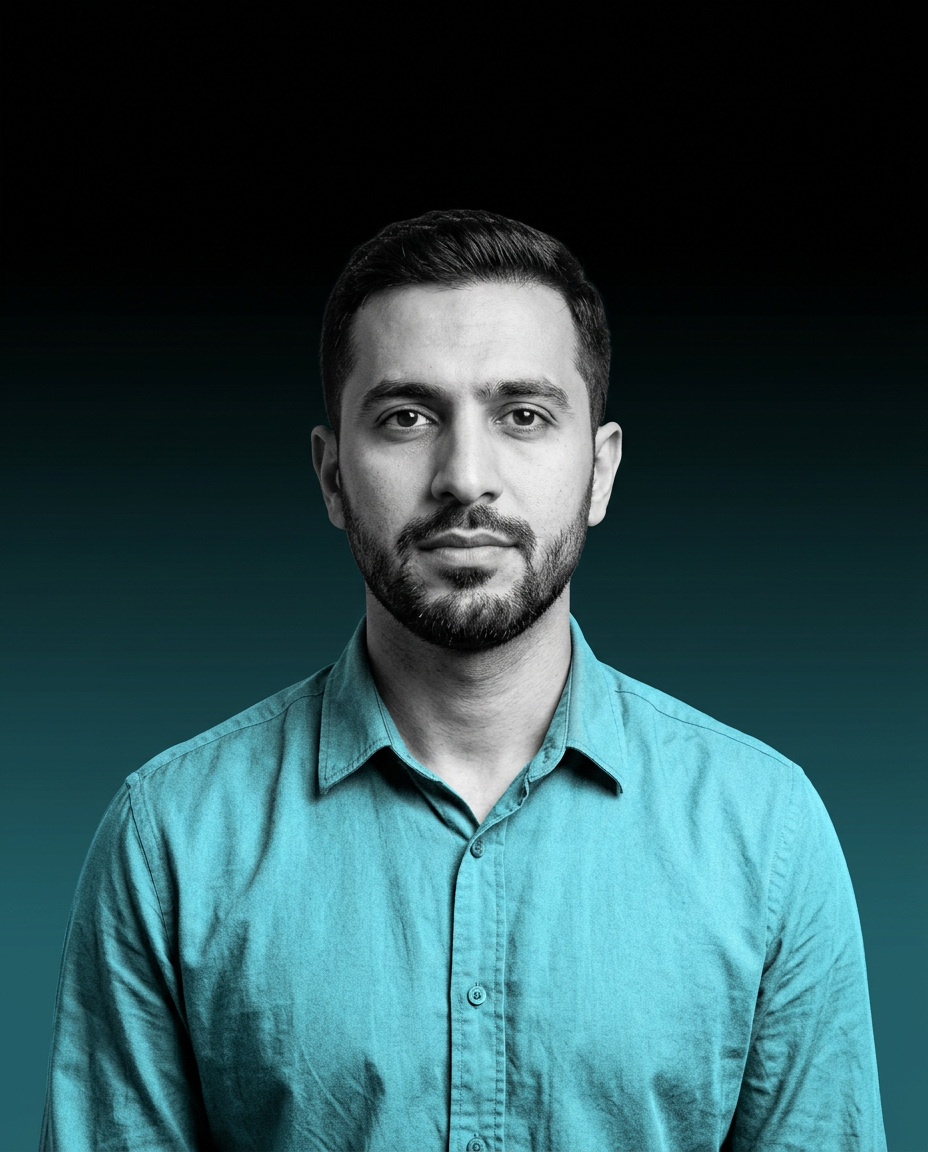

Elon Musk's 20GW AI power target has put nuclear developer Oklo in play as a potential acquisition target.
Elon Musk's 20GW AI power target has put nuclear developer Oklo in play as a potential acquisition target.
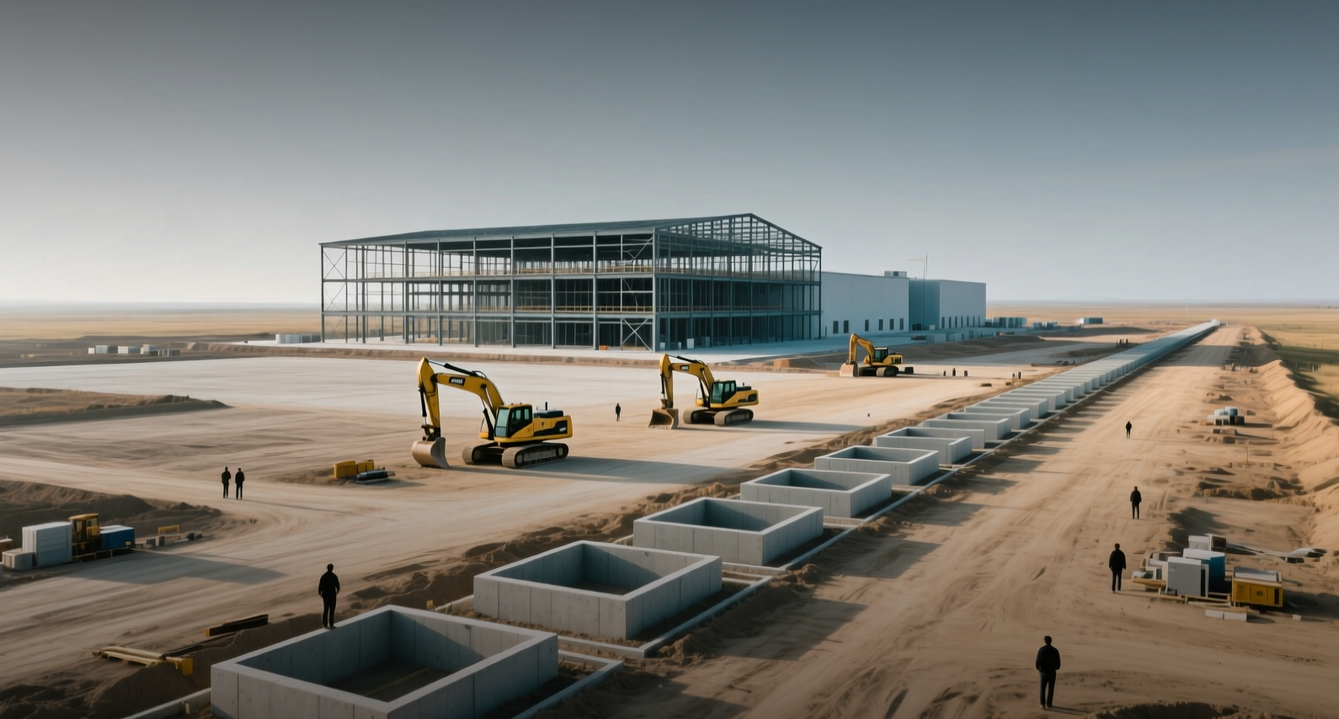
SpaceX CEO Elon Musk's disclosure that his company needs 20 gigawatts of power for AI data centers by end of next year has intensified the race for new energy sources, lifting Oklo shares 11.5 percent to $44.27.
"Our tentative target is to actually have 20 gigawatts at the power and cooling level online by the end of next year," Musk said during SpaceX's first investor call on Aug. 11. "I would expect that we still probably have at the power plant level, something close to 15 gigawatts."
For comparison, New York City consumes roughly 10 gigawatts at peak summer demand. Oklo, which designs small modular reactors (SMRs) — miniature nuclear plants typically under 300 MWe that can be factory-built and colocated with data centers — has a market cap of $7.4 billion. The stock trades at $44.27, up from a 52-week low of $36.61.
The $7 trillion global data center build-out expected over the next few years will require massive new energy capacity. Oklo's SMR designs, pitched directly to data center operators rather than utilities, position the company to capture a share of that demand — and potentially attract acquisition interest from AI companies desperate to secure power.
To power its data center build-out, SpaceX has relied on a wide variety of energy sources, from wind and solar to natural gas. Other AI companies have invested much more aggressively in nuclear. Alphabet and Microsoft have both committed to massive nuclear projects, from building new facilities to restarting old systems. Meta Platforms agreed in January to have Oklo build a 1.2 gigawatt SMR system in Ohio, though Meta has also signed deals with competing developers such as NuScale Power.
Only two SMR systems are currently in commercial operation worldwide. Oklo doesn't yet have U.S. regulatory approval to build an SMR system — its designs were denied by the Nuclear Regulatory Commission in 2022, though the company has since reapplied and is moving through the process. Oklo's Aurora reactor design uses HALEU fuel, uranium enriched to 19.75 percent compared with 3-5 percent for conventional reactors, which enables longer refueling cycles.
Goldman Sachs analysts describe nuclear as "newly positioned to meet the moment" for AI energy demand. Bank of America analysts note that nuclear offers "reliable baseload power, a smaller carbon footprint, and a higher energy return on investment" compared with other sources. The key advantage of SMRs over conventional nuclear is deployment speed: once scaled, SMR systems are expected to have deployment times of one to three years, compared with a decade or longer for traditional nuclear power plants.
Sam Altman, CEO of OpenAI, invested early in Oklo and served as its chairman for several years. "Oklo has extremely strong customer interest," Altman previously said. "There's no lack of desire or need for this."
The question is whether an AI company will go further and acquire Oklo outright. As the energy arms race heats up and SMR systems prove their designs in real-world applications, the incentive to control a nuclear supply chain grows. Oklo remains a speculative stock until it secures regulatory approvals and demonstrates its designs in real-world applications, but the business model has attracted attention from the biggest names in AI.
Oklo's gross margin stands at negative 2,347 percent, reflecting its pre-revenue status. The company won't book its first commercial power revenue before 2028, according to Motley Fool analysis. At $44.27, the stock trades well below its 52-week high of $193.84, suggesting the market has already priced in significant execution risk. Investors betting on an acquisition are essentially wagering that Musk's energy targets accelerate the timeline for SMR deployment across the AI sector.
This article is for informational purposes only and does not constitute investment advice.
