
Americans retiring this decade are projected to collect about 265 percent of the payroll taxes they paid into Social Security, even as the program's trust fund is expected to run dry by 2031.
Americans retiring this decade are projected to collect about 265 percent of the payroll taxes they paid into Social Security, even as the program's trust fund is expected to run dry by 2031.
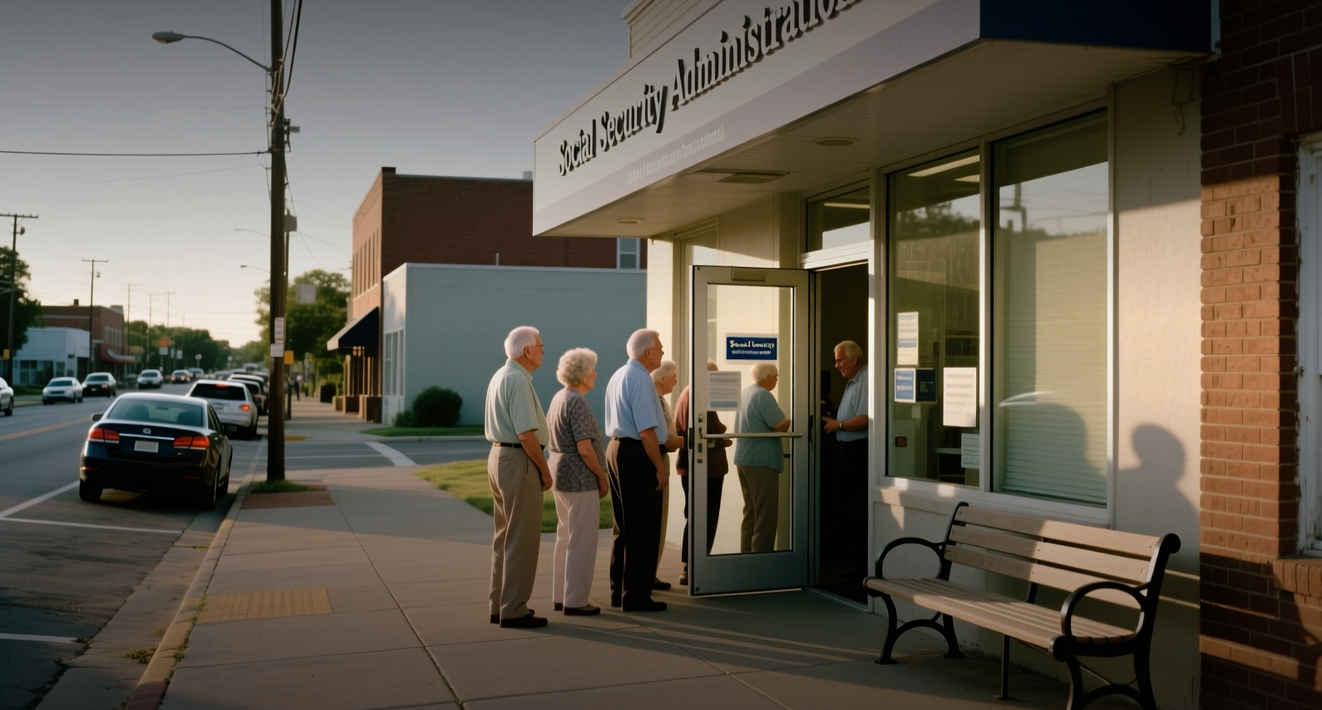
Americans retiring this decade are projected to collect about 265 percent of the payroll taxes they paid into Social Security, even as the trust fund is expected to run dry by 2031, according to a new analysis from the Committee for a Responsible Federal Budget.
"In other words, retirees are scheduled to receive all of their contributions, plus interest, plus an additional 33 cents for every $1 they and their employer paid in," the CRFB said.
Including employer matching contributions, scheduled benefits are projected at about 133 percent of the payroll taxes paid. A median-wage worker retiring in 2027 can expect roughly $730,000 in scheduled benefits, compared with less than $200,000 paid in taxes by the worker and employer combined.
The gap between contributions and benefits sets up an automatic 22 percent benefit cut once the trust fund is depleted, unless Congress acts first. Lawmakers introduced the bipartisan PROMISE Act earlier this year to force a solvency proposal covering at least the next 50 years.
The CRFB stresses that Social Security is not a savings account where payroll contributions are set aside for the worker's own retirement. "Rather, Social Security is a pay-as-you-go social insurance program where current workers' payroll taxes finance the benefits of current retirees," the think tank said. That structure means today's retirees draw on the contributions of younger workers, and the program's math depends on a steady inflow of new payroll taxes.
The generational imbalance is stark. While the CRFB does not frame its analysis by generation, the numbers make clear that Baby Boomers retiring this decade receive far more than they paid in, while younger cohorts shoulder the funding burden. The trust fund's projected depletion in 2031 would force the automatic cut unless policymakers intervene.
Sen. Bill Cassidy (R-LA) and Sen. Dick Durbin (D-IL), along with other lawmakers, introduced the PROMISE Act to direct the bipartisan Social Security Advisory Board to submit a base bill to Congress ensuring the program's trust fund remains solvent for at least 50 years. "There is no shortage of ideas for strengthening Social Security," Cassidy and Durbin wrote in an op-ed for the Washington Examiner. "Some would adjust benefits, others would raise revenues, and still others would seek to grow the resources available to the program."
"Congress does not lack the proposals; it lacks the willingness to consider them," they added. "Waiting only guarantees that the solutions available tomorrow will be harder than the ones available today."
For a median-wage worker retiring in 2027, the scheduled $730,000 in benefits would fall by roughly $160,000 if the automatic cut takes effect, showing how much retirement income hinges on congressional action. The figures are projections based on current law and scheduled benefits; actual payouts depend on the policy path Congress chooses.
For individuals approaching retirement, the uncertainty argues for treating scheduled Social Security benefits as one component of a diversified retirement income plan rather than a guaranteed floor. The 265 percent figure reflects scheduled benefits under current law, not a promise of what will actually be paid. Projections and trust fund depletion dates are revised periodically, so readers should verify the latest figures against official Social Security Administration announcements.
This article is for informational purposes only and does not constitute investment, tax, or legal advice.
