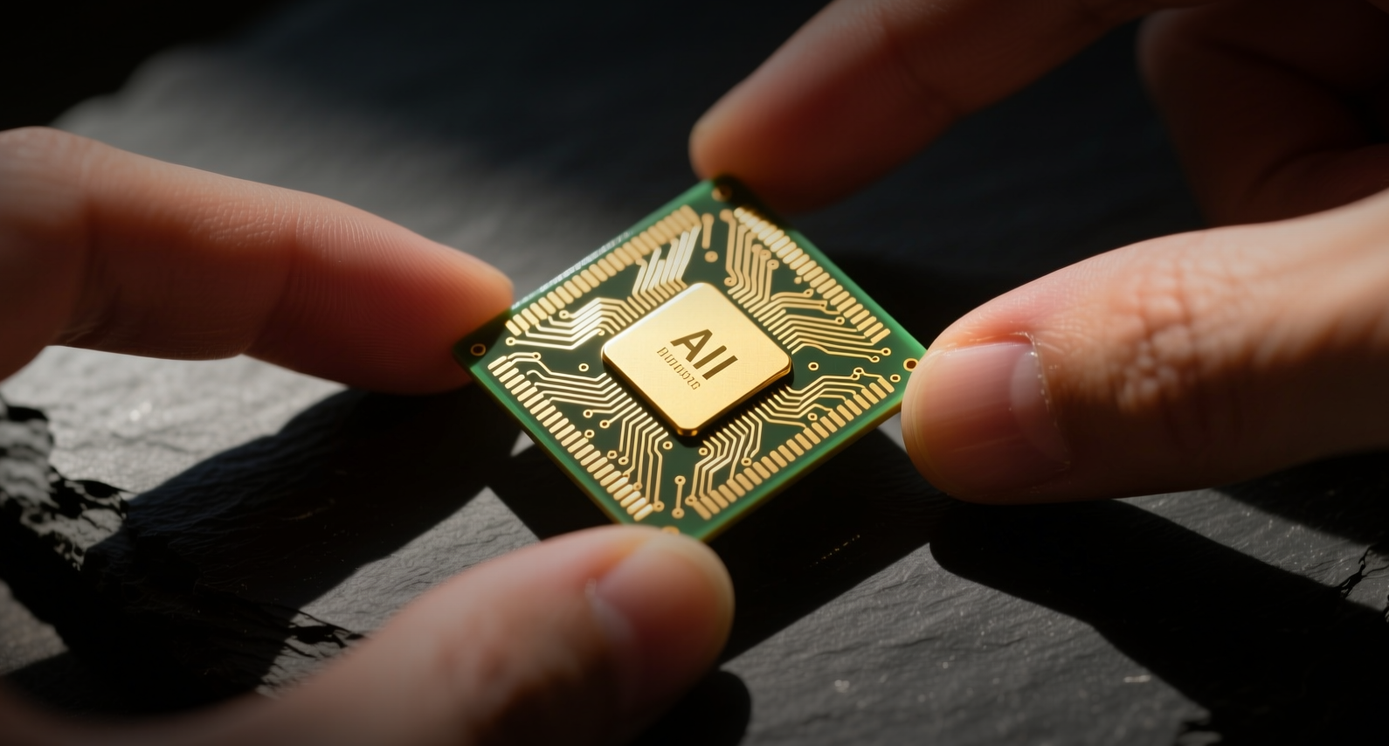
Samsung and SK Hynix lifted combined H1 chip facility investment 35.1% to ₩43.2 trillion, running at 100% capacity as AI memory demand peaks.
Samsung Electronics and SK Hynix lifted combined first-half semiconductor facility investment 35.1% to ₩43.198 trillion, running at 100% capacity utilization as AI memory demand outstrips supply across HBM, DRAM, and NAND.
SK Group Chairman Chey Tae-won called next year's memory market "a war-like situation where everyone wants chips, but AI computing systems cannot be built without them," warning of the worst-ever supply-demand imbalance.
SK Hynix's facility investment surged 56.4% year-on-year, outpacing Samsung's DS division at 23.5%. Samsung's total first-half R&D spending hit a record ₩27.363 trillion, up 51.5%, while SK Hynix's R&D jumped 98.4% to ₩6.043 trillion — roughly 90% of its full-year 2025 total. Both companies reported 100% capacity utilization.
The investment surge comes as customer concentration shifts. Nvidia's share of SK Hynix revenue fell to 13.35% in the first half from 24% for all of 2025, and Nvidia did not appear among Samsung's top five customers, whose combined share was about 25%. The diversification reflects Alphabet, Amazon, and other hyperscalers building custom ASICs to reduce GPU dependence.
The capex figures, disclosed in semi-annual reports filed August 14, reveal how the AI memory supercycle is reshaping both companies' balance sheets. SK Hynix's more aggressive expansion targets HBM, high-capacity DRAM, and enterprise SSD demand. Samsung's DS division investment focuses on HBM4 and successor architectures, advanced process capacity, and related infrastructure.
The R&D race is equally intense. Samsung's record ₩27.363 trillion first-half R&D spend represents a 51.5% increase, while SK Hynix nearly doubled its R&D to ₩6.043 trillion. The near-doubling shows SK Hynix is investing heavily in HBM4 and successor architectures to defend its lead in Nvidia's supply chain.
The technology stakes are visible in the product roadmap. Samsung shipped the industry's first HBM4E samples on May 29, delivering 3.6 terabytes per second of bandwidth per stack on a 4-nanometer base die — more than six months ahead of competitors. SK Hynix began volume production of HBM4 in the second quarter and is negotiating 2027 supply volumes and pricing with key customers. Both companies are preparing for the custom HBM era beginning with HBM5, where memory suppliers will co-design products with individual hyperscalers.
Nvidia's Grip on Memory Supply Chains Loosens
The most significant structural shift in the semi-annual reports is the changing customer mix. SK Hynix generated ₩17.6087 trillion from Nvidia in the first half, representing 13.35% of total revenue — down sharply from 24% for all of 2025. A second undisclosed customer, believed to be Microsoft or Google, contributed another ₩17.1874 trillion.
Samsung's top five customers accounted for roughly 25% of revenue, with Nvidia absent from the list entirely. This reflects Samsung's broader product mix — its China exports include mobile DRAM, NAND flash, image sensors, and display driver ICs alongside AI server memory.
The shift away from Nvidia concentration is driven by hyperscalers developing custom AI chips. Alphabet, Amazon, and Microsoft are all building ASICs to reduce their dependence on Nvidia GPUs, creating new procurement channels for memory suppliers. SK Hynix expects Nvidia's revenue share to rebound in the second half as it ramps HBM4 supply for the Vera Rubin platform.
₩43.2 Trillion Bet on AI Memory Demand
The capex surge carries implications beyond the two Korean chipmakers. Samsung's DS division generated operating margins of roughly 70% in Q2, and its DRAM market share rose 5.4 percentage points to 39.4% in the first half. SK Hynix's US revenue reached ₩84.56 trillion, or 64.1% of total sales, while China contributed ₩32.48 trillion, or 24.6%.
Chey's warning about "chipflation" — rising chip prices flowing into finished-product costs — is already visible. Samsung's mobile memory costs rose 211% year-on-year, contributing to the first operating loss in its DX (Galaxy smartphone) division's history. LG Electronics also reported higher raw material costs, citing chips and copper.
For investors, the key question is whether the capex cycle is sustainable. Both companies are investing at record levels while prices remain elevated. SK hynix trades at a premium to Samsung on HBM leadership, but the customer diversification trend could narrow that gap if Samsung secures more ASIC design wins. The December 31 expiry of Samsung's annual US export license for its Xi'an NAND facility adds geopolitical risk to the supply picture.
This article is for informational purposes only and does not constitute investment advice.