
Key Takeaways:
- Intel reports Q2 earnings July 23 with $14.3B revenue expected
- ASML confirmed Intel Foundry is mass-producing Panther Lake on 18A node
- Panther Lake volume surged 6-7x in Q2 as client CPU demand accelerates
Key Takeaways:
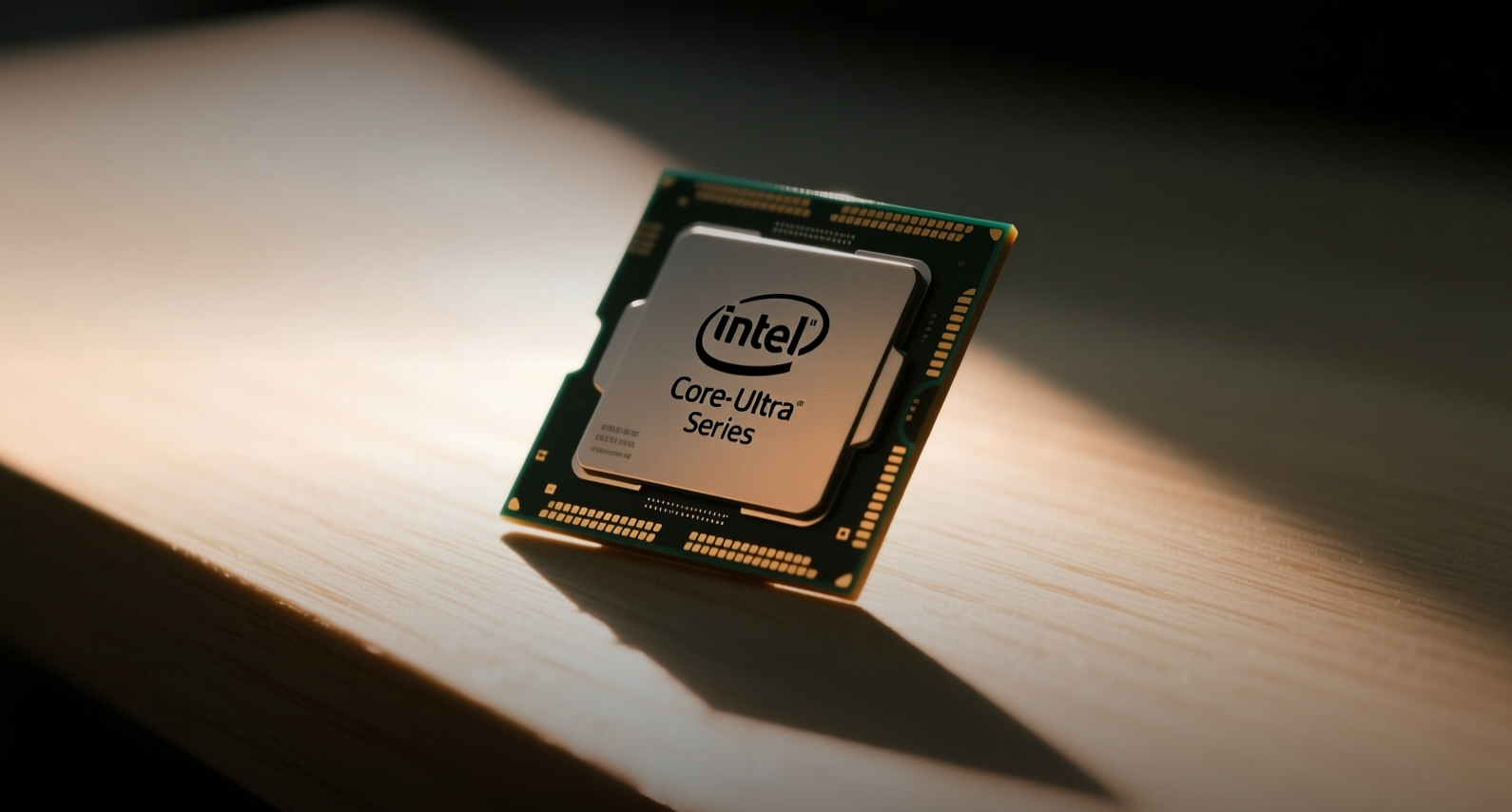
Intel is expected to report Q2 revenue of $14.3 billion on July 23, an 11% year-over-year increase driven by surging client CPU demand.
"The volume of Panther Lake CPUs will be up six or seven times in the second quarter relative to the first quarter," Intel CFO David Zinsner said on the company's April earnings call.
Analysts expect non-GAAP earnings per share of $0.20, a sharp turnaround from a loss of $0.10 per share a year earlier. The client computing group, Intel's largest segment, generated $7.7 billion in Q1 revenue but grew just 1% year over year. The ramp of Panther Lake — now in mass production using ASML's high-NA extreme ultraviolet lithography machines on the Intel 18A process node — could accelerate that growth.
Intel shares have surged 141% year to date, though the stock has fallen 17% over the past month during a broader technology selloff. Options market pricing implies a potential 15% swing following the report, according to Direxion data. Wedbush Securities said Intel is likely to post strong results but cautioned that investor sentiment remains a wild card given the stock's elevated valuation.
ASML's second-quarter results, released July 15, provided a positive signal for Intel's outlook. The Dutch semiconductor equipment maker crushed Wall Street expectations and raised its 2026 guidance, while confirming that Intel Foundry is using its high-NA EUV machines for high-volume production of Panther Lake processors. ASML also said it will collaborate with Intel to further refine the 18A process node to enable broader adoption, potentially helping Intel close the gap with Advanced Micro Devices in the server CPU market. Intel started shipping Panther Lake CPUs late last year, and the transition to high-volume production marks a key milestone for the company's foundry ambitions.
Intel's Q1 gross margin of 34.5% declined sequentially from 37.9% in Q4, reflecting increased 18A volumes at lower initial yields. The company's cash burn rate of $1.6 billion shows the capital intensity of its foundry model. Analysts will watch for signs of margin improvement and progress on supply constraints, which Zinsner said have been capping revenue. Intel has also been developing custom ASIC efforts to capture AI inference demand, though some investors note the company arrived late to the GPU training market.
The report comes as the artificial intelligence trade experiences significant retrenchment, putting semiconductor stocks under pressure. A strong beat from Intel could help restore confidence in the sector, while a miss could exacerbate selling pressure.
The guidance raise from ASML and the production ramp of Panther Lake suggest Intel's client computing segment could deliver stronger-than-expected growth in the second half of 2026. Investors will focus on Intel's Q3 revenue guidance and gross margin trajectory when the company reports after the close on July 23.
This article is for informational purposes only and does not constitute investment advice.
