
Israel warned it would strike all of Iran's infrastructure, including energy facilities, in response to any attack, sustaining a war-risk premium that keeps Brent crude above $90 a barrel and global bond yields elevated.
Israel warned it would strike all of Iran's infrastructure, including energy facilities, in response to any attack, sustaining a war-risk premium that keeps Brent crude above $90 a barrel and global bond yields elevated.
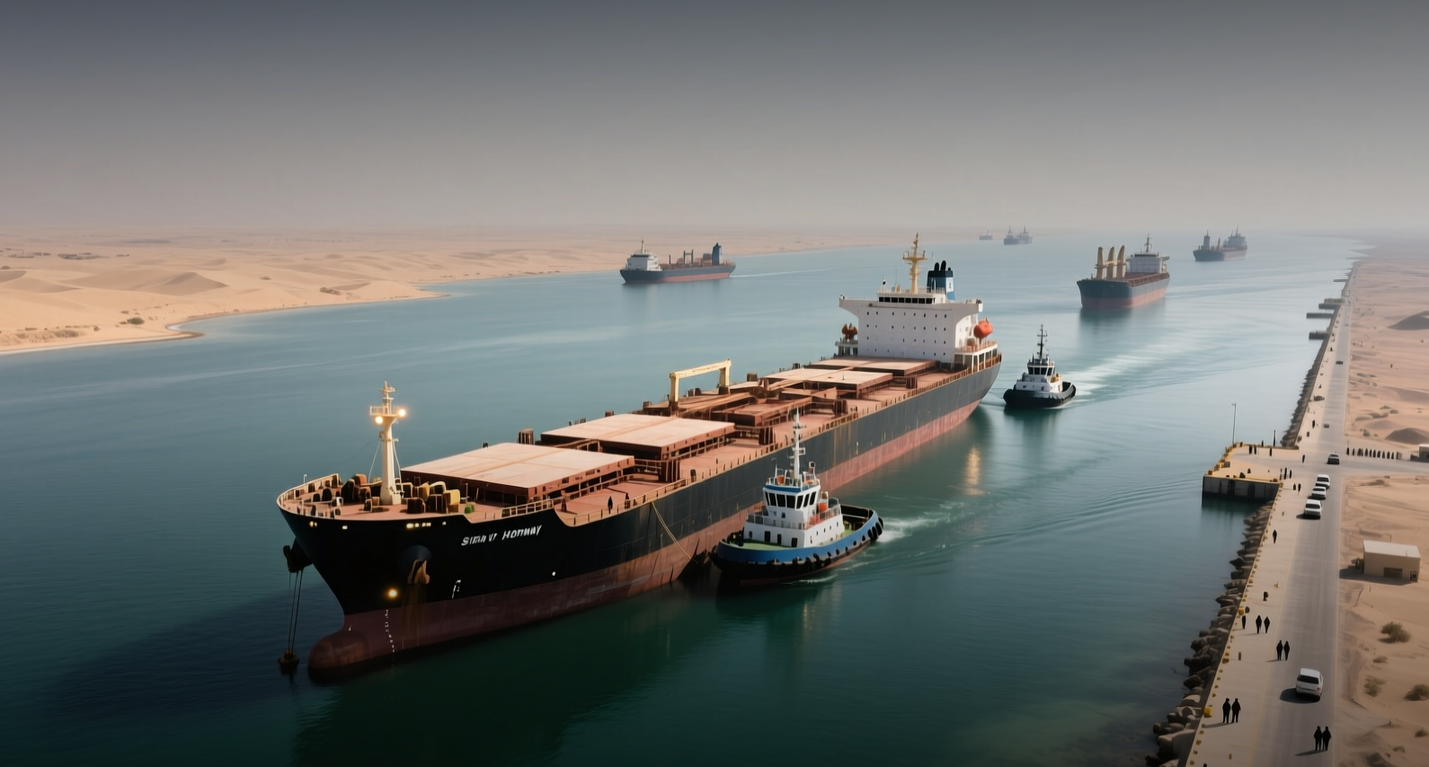
Israel's defense minister on Sept. 3 threatened to strike every piece of Iranian infrastructure, energy included, if Tehran attacks — a warning that locks in a supply premium keeping Brent crude above $90 a barrel.
"If Iran attacks Israel, we will strike all of Iran's infrastructure, including its energy facilities," Defense Minister Israel Katz said, according to multiple Israeli media reports. The threat is the sharpest public escalation in a confrontation that has run for about six months and already drawn in the U.S.
Brent crude has held above $90 a barrel, trading near $92, after Washington and Tehran exchanged strikes that included an American hit on an island in the Strait of Hormuz — the chokepoint carrying roughly a fifth of global oil trade — and Iranian attacks on the United Arab Emirates and Jordan. The war premium has rippled across assets: Japan's 10-year government bond yield touched 3 percent for the first time since 1996, Britain's 10-year gilt climbed to about 5.23 percent, its highest since 2008, and Germany's benchmark yield reached a level last seen in April 2011.
The stakes extend beyond crude. Higher energy costs are reviving inflation concerns that have pushed the European Central Bank toward a September rate increase and complicated policy paths elsewhere, while Asian equities have sold off — South Korea's Kospi fell more than 3 percent and Japan's Nikkei dropped nearly 3 percent on renewed fighting. If Israel follows through on its threat to hit Iranian energy assets, crude could spike further; if the two sides step back, the premium could unwind quickly.
Oil premium hinges on the Strait of Hormuz
Iran sits on some of the world's largest oil and gas reserves, and its energy exports transit the Strait of Hormuz, which handles about 21 percent of global crude consumption. A strike on Iranian facilities would remove barrels from a market already trading at a geopolitical premium, while any Iranian retaliation aimed at the strait risks disrupting shipments from Gulf producers including Saudi Arabia and the UAE.
The most recent round of U.S.-Iranian strikes, the first in about a month, pushed Brent above $91 a barrel and sent South Korea's Kospi down more than 3 percent in a single session. That pattern has repeated through the conflict: each flare-up lifts crude and bond yields while pressuring equities, then partially reverses when de-escalation signals emerge.
Conflict cuts Air India traffic 36%
The war is already weighing on activity beyond financial markets. Air India's international passenger numbers fell 36 percent in the April-June quarter as the conflict and Pakistani airspace restrictions lengthened routes and raised fuel costs, while foreign carriers added 7 percent to their India carriage over the same period. Rising energy prices have also fed inflation across Asia, strengthening the case for Bank of Japan rate increases and keeping eurozone price growth above 3 percent.
For investors, the question is whether Katz's threat is rhetoric or a prelude to action. Markets have priced a persistent premium rather than a quick resolution, with strategists forecasting Japan's 10-year yield could reach 3.2 percent in October. A strike on Iranian energy infrastructure would be the clearest trigger for a fresh leg higher in crude; a diplomatic off-ramp would likely deflate the premium as quickly as it built.
This article is for informational purposes only and does not constitute investment advice.
