
Key Takeaways:
- Q2 revenue fell 5.1 percent to RMB 36.8 billion, net profit down 6.9 percent
- iMoutai generated RMB 18.7 billion in Q2, 83 percent of direct sales
- Feitian prices raised twice in 2026; Goldman sees 1.2 percent revenue boost
Key Takeaways:
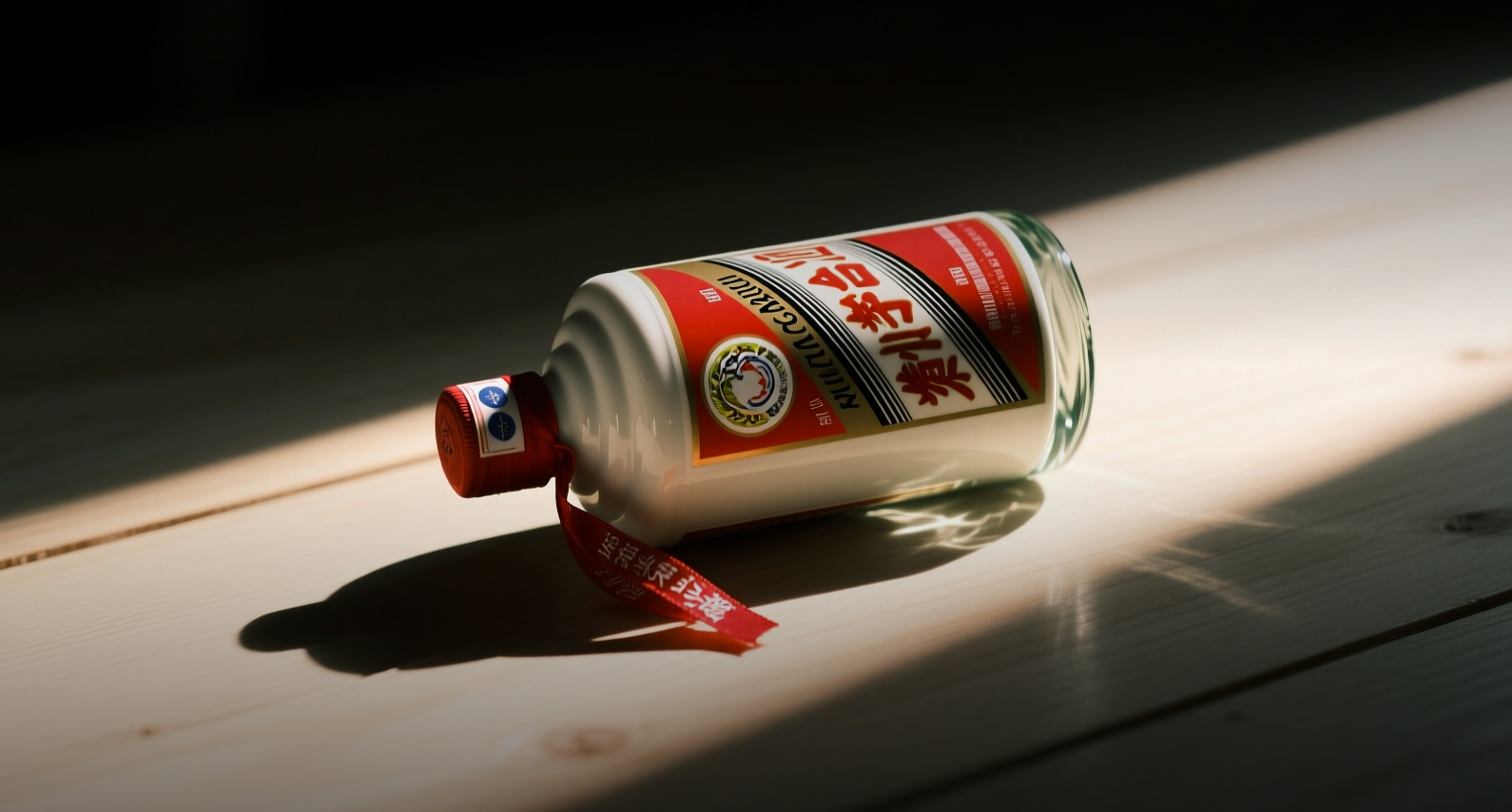
Kweichow Moutai (600519.SH) reported Q2 revenue of RMB 36.8 billion, down 5.1 percent year-on-year, as channel reform costs outweighed Feitian price hikes.
"Even if the Mid-Autumn and National Day peak season brings price rebounds, Feitian wholesale prices staying above 2,000 yuan this year remains difficult," Xiao Zhuqing, chairman of Wuhan Jingkui Technology, said.
Q2 net profit fell 6.9 percent to RMB 17.3 billion. iMoutai generated RMB 18.7 billion in Q2 revenue, up 282.6 percent year-on-year, accounting for 83.3 percent of direct sales. Gross margin slipped to 89.3 percent from 91.3 percent a year earlier as product mix shifted toward lower-priced Feitian and away from premium non-standard SKUs.
The earnings miss reflects the front-loaded costs of Moutai's channel overhaul. The company moved non-standard product distribution from dealers to self-operated channels in early 2026, cutting iMoutai pricing by about 30 percent and compressing blended average selling prices. Wholesale channel revenue fell 35 percent year-on-year in Q2, while direct sales rose 33.6 percent. iMoutai's Q2 revenue increase of about RMB 13.8 billion was partially offset by an RMB 8.2 billion decline in other direct channels and an RMB 7.7 billion drop in wholesale.
H1 revenue reached RMB 90.7 billion, up 1.47 percent, with net profit of RMB 44.5 billion, down 1.95 percent. Operating costs rose 21.8 percent as higher volumes of lower-priced Feitian drove more inventory cost recognition. Moutai liquor revenue fell 1 percent to RMB 31.7 billion in Q2, while series liquor revenue dropped 25 percent to RMB 5.1 billion. Dealer numbers declined by a net 46 in H1, mainly in series liquor.
Moutai has raised Feitian prices twice in 2026. The March 31 adjustment marked the first public "market-based" pricing move, followed by a July 18 increase that lifted the sales contract price from 1,269 yuan to 1,369 yuan and iMoutai retail from 1,539 yuan to 1,639 yuan. Offline self-operated store prices reached 1,753 yuan by Aug. 8, 114 yuan above iMoutai. Feitian ex-factory prices have risen 17.1 percent year-to-date, nearly matching the 16.9 percent increase at self-operated store retail.
The pricing strategy reflects a shift to market-following dynamics. Management described the daily iMoutai Feitian release as "like rain in the desert, it disappears as soon as it falls," suggesting latent demand that the previous dealer network failed to capture. Non-standard products including premium, zodiac, and aged editions saw shipments fall about 30 percent in some regions, while Feitian terminal sell-through grew small single digits and Moutai 1935 sell-through rose more than 10 percent in Q2.
Goldman Sachs estimates the July increase could add 1.2 percent to 2026 revenue and 1.6 percent to net profit. The bank said the hardest phase of baijiu destocking may be over, but the industry remains in early recovery, with volumes by 2030 potentially at 75 percent of 2024 levels.
The reform has shifted Moutai from a supply-driven model to one constrained by real demand. With channel migration space narrowing, price increases and non-standard product demand will determine whether the company can restore growth in the second half. Management has signaled a "low first, high later" trajectory for the year, with revenue growth expected to turn positive in Q3. At roughly 19 times earnings on a 5 percent net profit growth assumption, the stock embeds a cautious stance that could expand if wholesale prices stabilize.
This article is for informational purposes only and does not constitute investment advice.
