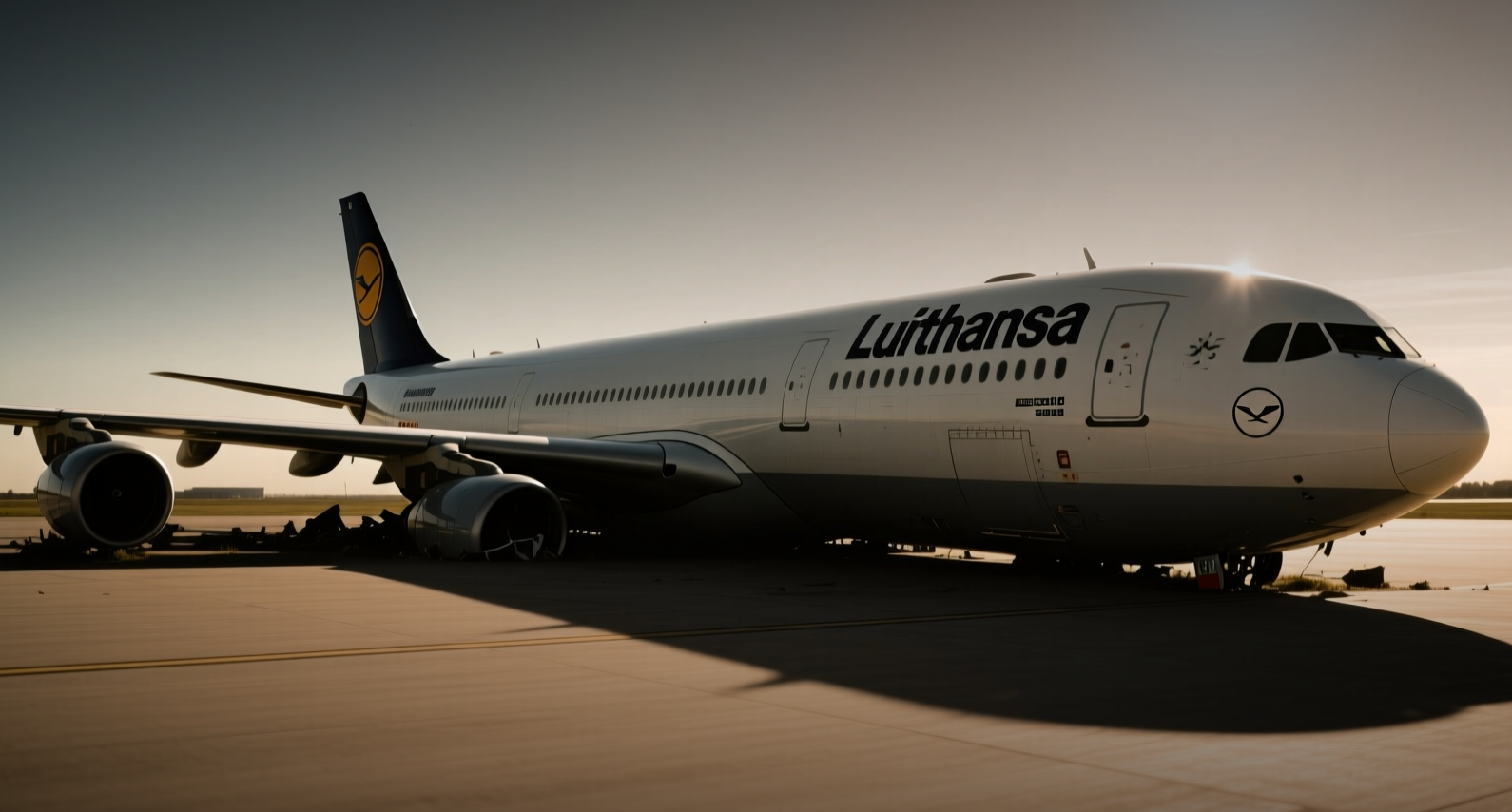
Lufthansa Group reported Q2 Adjusted EBIT of €383 million, down 56% from a year earlier, as fuel costs surged €750 million on the Iran war.
"Despite our further improvement in load factor and a significant increase in yield, we were unable to fully offset the considerable rise in fuel costs," Chief Executive Carsten Spohr said.
Revenue rose 8% to €11.1 billion, while net income fell to €123 million from €1.01 billion. The operating result missed the €401 million consensus compiled by the company, and the Adjusted EBIT margin contracted to 3.4% from 8.4%.
The group set full-year Adjusted EBIT guidance of €1.7-2.2 billion, citing kerosene price volatility, and plans to retire fuel-intensive Airbus A340-600 aircraft and ground two Boeing 747-400s from the winter schedule.
Fuel costs, driven by the conflict in the Middle East, added roughly €750 million to expenses in the quarter, while strikes cost at least €150 million. Yields rose more than 13% on Asian routes, lifting unit revenues 6.4% at the network airlines, which include Lufthansa, Swiss, Austrian and Brussels Airlines. Load factor edged up to 81.6%.
The network airlines generated Adjusted EBIT of €137 million, down €490 million, including a €108 million lower equity result tied to currency-driven valuation effects on ITA Airways lease liabilities. Lufthansa Cargo posted Adjusted EBIT of €116 million, up from €73 million, as yields climbed 27% and capacity expanded 2%. Lufthansa Technik's revenue rose 11% to €2.2 billion, with Adjusted EBIT of €157 million roughly flat. Eurowings swung to a €37 million loss as capacity fell 6%.
The group now expects fuel costs of €8.66 billion for the year, down from an earlier €8.9 billion projection, with 86% of fuel needs hedged. Operating cash flow fell about €600 million in the first half to €2.3 billion, while liquidity stood at €10.7 billion and net financial debt at €8.3 billion.
The profit slump mirrors pressure across European carriers. British Airways-owner IAG and Air France-KLM are trimming capacity to offset higher fuel costs despite extensive hedging.
The guidance range keeps the upper end above the prior year's €1.96 billion Adjusted EBIT, a sign management expects demand to hold. Investors will watch the second-half booking cycle and kerosene prices, which CFO Till Streichert said are making forecasts increasingly difficult.
This article is for informational purposes only and does not constitute investment advice.