
The IRS has published the full list of 25,332 census tracts eligible for Opportunity Zone 2.0 designation, setting a 45-day nomination window and enhanced rural incentives that change the investment calculus.
The IRS has published the full list of 25,332 census tracts eligible for Opportunity Zone 2.0 designation, setting a 45-day nomination window and enhanced rural incentives that change the investment calculus.
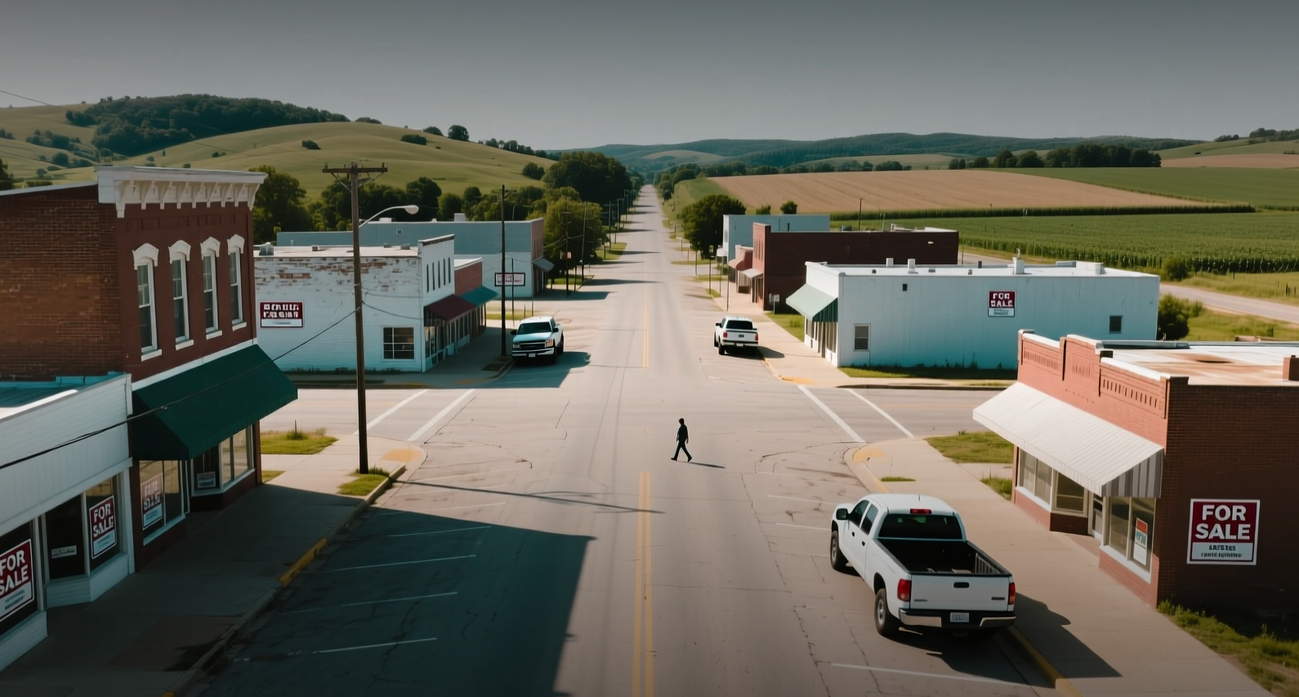
The IRS released Revenue Procedure 2026-12 in April, identifying 25,332 census tracts eligible for Opportunity Zone designation — a pool from which governors may nominate only 25 percent, with new rural incentives reshaping the deal math.
"These aren't minor tweaks — they fundamentally change the math on deals that wouldn't have penciled out under the original program," said Daniel Goodwin, chief investment strategist at Provident Wealth Advisors.
The eligible pool includes 8,334 fully rural tracts — roughly one in three. Under the One Big Beautiful Bill Act, which made Opportunity Zones permanent in July 2025, investors in Qualified Rural Opportunity Funds receive a 30 percent basis step-up after five years, triple the standard 10 percent, and rural properties face a reduced substantial improvement threshold of 50 percent instead of 100 percent. The nomination window opened July 1, 2026, with an initial deadline of September 28 and a single 30-day extension to October 28.
The final OZ 2.0 map is expected before January 1, 2027, and will remain fixed for a decade through December 31, 2036. Industry estimates suggest the new round will produce roughly 6,300 to 6,500 designated zones, down from 8,764 under OZ 1.0 — a reduction of about 25 percent driven by tighter eligibility rules, including a median family income threshold cut from 80 percent to 70 percent of area median.
The IRS formally adopted the 2020-2024 American Community Survey five-year dataset as the controlling data source for eligibility, locking in the methodology and removing ambiguity about which tracts qualify. Not all 25,332 tracts will become Opportunity Zones — governors can nominate up to only 25 percent of their state's eligible tracts — but investors and developers no longer have to guess which communities are in play.
The rural provisions are the most consequential change. Beyond the 30 percent basis step-up and the 50 percent substantial improvement threshold, the law requires states to give rural communities meaningful representation in their nominations. With a third of all eligible tracts classified as rural, governors have both the incentive and the inventory to direct capital into historically overlooked markets.
Puerto Rico investors face a different timeline. The island's original automatic designation, backdated to the Tax Cuts and Jobs Act on December 22, 2017, means its 10-year clock ends in December 2027 — one year earlier than the December 2028 expiration for the 50 states. Going forward, Puerto Rico will play by the same rules as everyone else: the governor will nominate up to 25 percent of eligible tracts, a dramatic reduction from the island-wide coverage that previously applied.
The eligibility rules are stricter across the board. The median family income threshold dropped from 80 percent to 70 percent of area median. The contiguous tract loophole, which allowed some higher-income areas to qualify under OZ 1.0, has been eliminated. And tracts that qualify based on high poverty rates are now disqualified if their median family income exceeds 125 percent of the area median.
The OZ 2.0 tract boundaries are drawn from the 2020 decennial census map and are set for the entire decade the designation is active — January 1, 2027, through December 31, 2036. No redrawing, no splitting, no adjustments. Whatever map gets certified in late 2026 is the map for the next 10 years.
For investors with unrealized capital gains from real estate, business sales, or stock, the guidance sharpens the decision timeline. The eligible tracts are published, the timeline is set, and the boundaries are locked. The investors who do their due diligence now — not in January 2027 — will capture the full benefit of OZ 2.0, particularly the enhanced rural incentives that the original program never offered. Investors should verify the latest IRS guidance and consult the official Revenue Procedure 2026-12 for the most current information.
This article is for informational purposes only and does not constitute professional or investment advice.
