

Hormuz-driven refined product price spikes, not crude alone, are squeezing European airlines, pushing Ryanair to cut winter capacity even after hedging most of its fuel needs.
Hormuz-driven refined product price spikes, not crude alone, are squeezing European airlines, pushing Ryanair to cut winter capacity even after hedging most of its fuel needs.
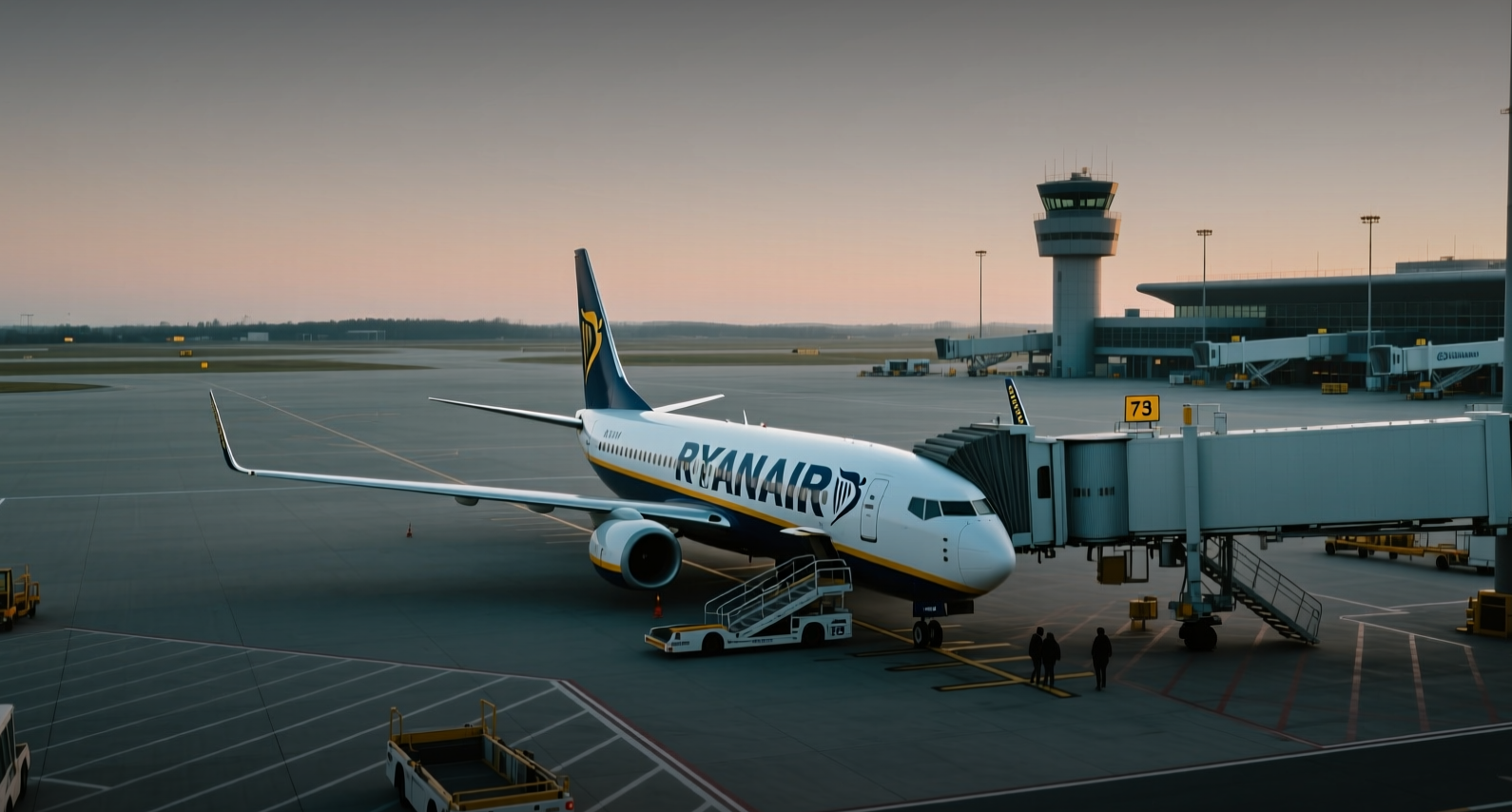
The Strait of Hormuz crisis is reaching European airlines through the refinery gate, not just the crude barrel, and the region's biggest low-cost carrier is already responding. Ryanair Holdings Plc will shrink its winter schedule to save EUR 70 million to EUR 100 million ($81 million to $116 million), warning that its unhedged jet fuel exposure now equals roughly $140 a barrel even though it has locked in about 80 percent of requirements, one of the highest hedge ratios in the industry.
"The market's focus should not be just on crude, because what consumers actually use is gasoline, diesel and jet fuel, and the supply-demand picture in those refined products looks much uglier," said Jeff Currie, senior adviser at Carlyle Group and a former Goldman Sachs commodities chief, in an Aug. 18 interview.
That a carrier hedged far more heavily than most peers still feels compelled to cut capacity shows energy costs have moved from a trading theme into operating decisions. Brent crude trades near $95 a barrel, up more than 55 percent year to date, after the U.S. struck Iranian targets during trading hours. Yet the pressure extends beyond the benchmark: Rich Privorotsky, head of Goldman Sachs' One Delta trading desk, said distillates, gasoil, diesel and European natural gas have all broken through key price levels, meaning a crude pullback alone would not relieve airline cost pressure.
The transmission chain runs through a strained policy buffer. The U.S. Strategic Petroleum Reserve holds about 286 million barrels, down from a maximum capacity near 730 million and close to the 250 million to 300 million range analysts consider the operational safety floor, limiting Washington's ability to release stockpiles and cap prices. Energy Secretary Chris Wright said Monday that roughly 17 million barrels a day still transit the Strait of Hormuz, little changed from the pre-crisis average near 20 million, though Privorotsky disputed that figure. Treasury Secretary Scott Bessent argued land pipelines could render the strait "worthless" within two years.
For European airlines, the risk is that refined-product tightness outlasts any diplomatic de-escalation. Ryanair's move implies short-haul fares could rise "materially" next year if jet fuel stays elevated, and carriers with thinner hedging books face sharper margin compression than the Irish budget airline. The last comparable shock, after the 2022 invasion of Ukraine, pushed Brent above $120 and European carriers to cut capacity within a quarter; a repeat of that pattern would hit load factors and unit costs across the region's discount and network operators alike. If Hormuz shipping is restored quickly, crude could retreat, but the refinery and distillate dislocations that Currie and Privorotsky flag suggest jet fuel may lag any recovery in the benchmark.
This article is for informational purposes only and does not constitute investment advice.
