
Washington's new Iran campaign threatens to strain the US-China trade truce weeks before Xi Jinping visits the White House.
Washington's new Iran campaign threatens to strain the US-China trade truce weeks before Xi Jinping visits the White House.
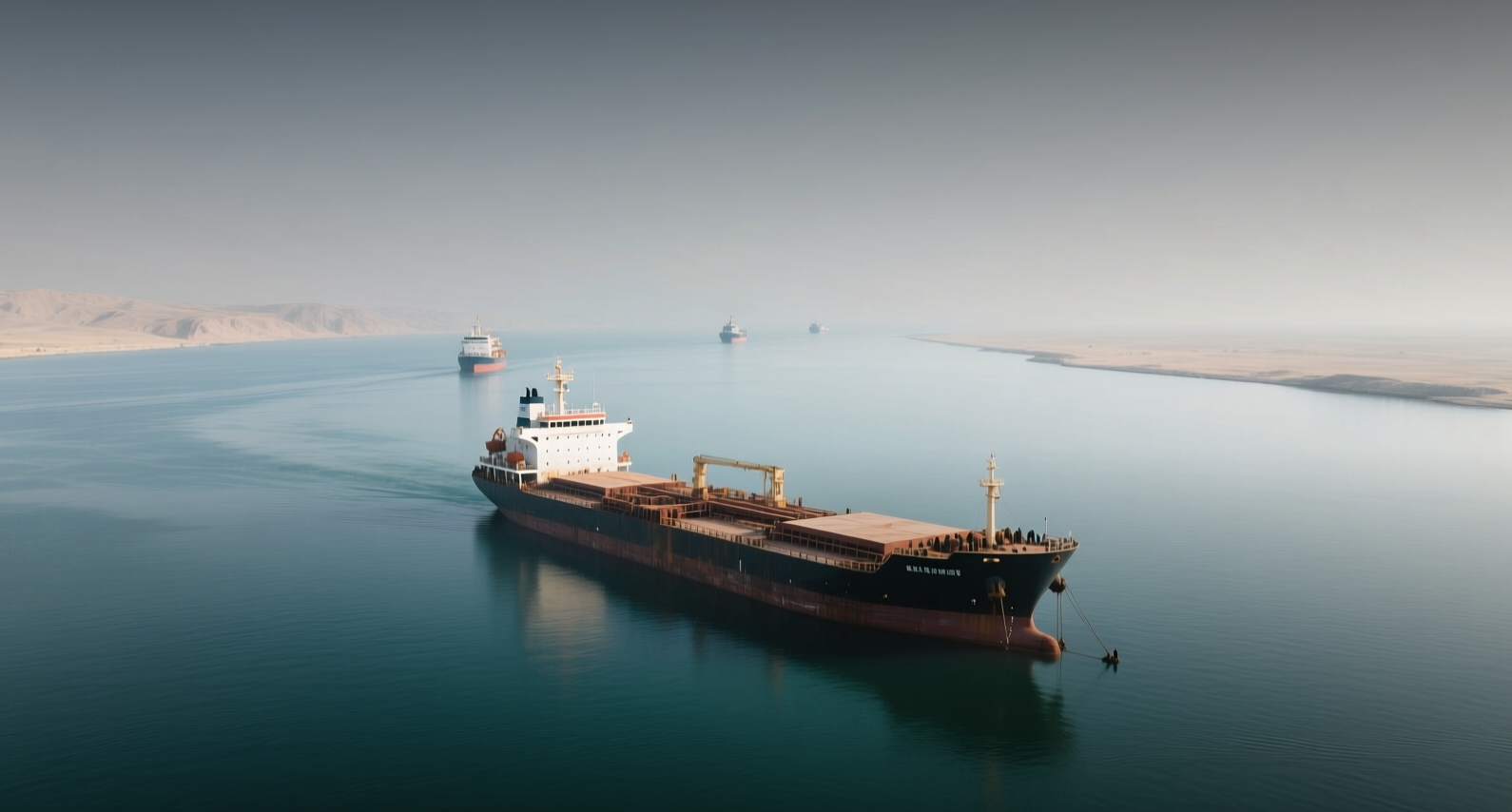
The US Treasury launched a sweeping sanctions campaign against Iran on Monday, sanctioning more than 60 entities and vessels while warning that Chinese banks financing Tehran's oil trade face the full reach of American power.
"We want to make clear here today that no one is above the reach of U.S. sanctions," Treasury Secretary Scott Bessent said, adding that facilitators who "turn Iranian oil into money, into repression, they will be targeted."
Iran's rial plunged to a record 2 million per dollar on Monday, and the World Bank cut its 2026 global growth forecast to 2.5 percent — the worst hit since the pandemic — as the six-month conflict disrupted shipping through the Strait of Hormuz, which handles about 21 percent of global oil trade. The new designations cover digital assets, technology, gold, aviation and shipping, and Treasury said it would push countries to shutter foreign branches of Bank Melli, Iran's largest state-owned lender.
The campaign, which Trump called "economic D-Day," lands weeks before Xi Jinping is scheduled to meet the president in Washington in late September, and as a one-year US-China trade truce expires this fall. China buys about 90 percent of Iran's oil exports, and Bessent said he expects to sanction a major financial institution before the end of this week.
Bessent declined to name China in his opening remarks, but the designations hit Hong Kong and mainland firms directly. Treasury sanctioned Hong Kong-based Sweet Ocean Industrial Limited for procuring laser optics for Iran's Malek Ashtar University of Technology, a defense research body, and named three China-based individuals — Li Na, Tian Jianbai and Zhang Limei — for coordinating procurement. Shenzhen Huamei Lianyun International Logistics was sanctioned for supporting an Iran-linked shipping operation.
The central question is whether Washington will target Chinese banks. "The biggest question is Beijing's response, since Chinese refineries have been absorbing nearly 90 percent of Iranian oil," said Maia Nikoladze, deputy director of the Atlantic Council's Economic Statecraft Initiative. Sanctioning a major Chinese lender risks retaliation in critical minerals, where Beijing has already restricted exports, and could upend the tariff truce Trump has prioritized after last year's trade war.
The last time Washington threatened secondary sanctions on Chinese banks over Iran, in 2019, Beijing kept buying Iranian crude and the dispute was resolved without a major escalation. This time the stakes are higher: the US naval blockade has already cut most Iranian exports, and the UAE last week halted trade and financial transactions with Iran, a channel Tehran has relied on for financing.
Iran's new security chief, Mohsen Rezaei, said Tehran would retaliate in a "seismic manner," warning Gulf states that partnering in the restrictions would make them targets. Iran has already attacked US bases in Jordan and Gulf countries including the UAE, Kuwait and Saudi Arabia since the war began in February.
The economic pain is acute. Inflation is running near 90 percent, and ordinary Iranians are buying food on credit, according to NPR interviews. "Since I am in debt to the grocery store, I couldn't even buy tomato paste to cook pasta," one 30-year-old Tehran woman told NPR.
Some analysts question whether fresh sanctions will bite. "There are no new sanctions that are effective," said Alan Eyre, a former American diplomat who negotiated on Iran's nuclear program until 2015. Bessent acknowledged the limits, telling reporters he did not want to "blow up the global financial system," and called Monday's action "a warning shot."
The campaign's success hinges on whether Trump sustains pressure through a summit season that could tempt a deal. "Maximum pressure still needs staying power," said Jonathan Panikoff, senior director of the Atlantic Council's Scowcroft Middle East Security Initiative, noting the effort could take years and extend beyond the current administration. If Washington instead pivots to talks, sanctions relief would be Tehran's minimum price — a reversal that would further erode US credibility with allies already bruised by tariffs.
This article is for informational purposes only and does not constitute investment advice.
