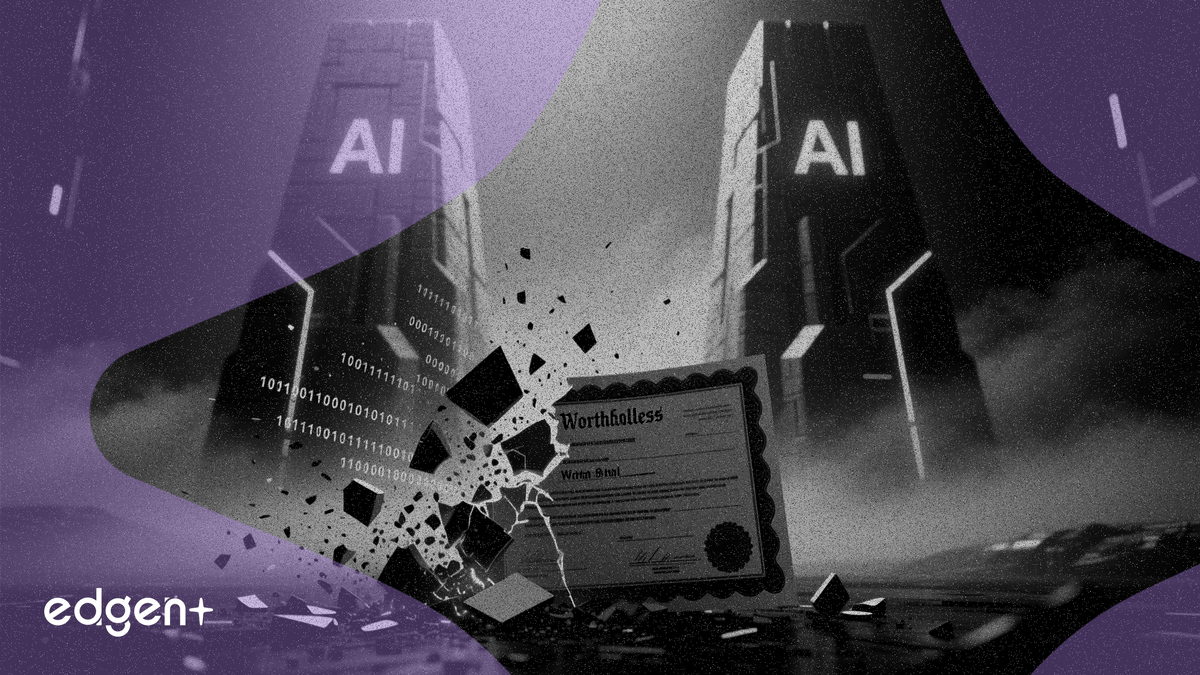
Anthropic and OpenAI declared that any of their shares sold through unauthorized channels are void, a move that threatens to wipe out a burgeoning secondary market where synthetic valuations for the two AI leaders had soared past $1 trillion.
"Any sale or transfer of its stock without board of directors approval is 'void'—not voidable, not disputed, void," Anthropic stated on its support page. OpenAI issued a nearly identical warning, stating any transfer without written consent is void and “the sale will not be recognized and carry no economic value to you.”
The crackdown directly targets the use of special purpose vehicles (SPVs), shell companies created to hold shares and pool outside money, which had become a standard workaround for bypassing company transfer restrictions. Anthropic went a step further, publishing a blocklist of unauthorized platforms that included not only gray-market operators but also new offerings on Forge Global and Hiive, two of the largest regulated private-share marketplaces. The news sent immediate shockwaves through tokenized markets, with a synthetic Anthropic token on the PreStocks platform dropping from $1,400 to $900, according to Coingecko data.
This action is not aimed at all secondary sales. OpenAI’s recent $6.6 billion tender offer, which allowed more than 600 employees to sell vested shares to institutional buyers like Thrive Capital and SoftBank, was organized and approved by the company. The new policy enforcement distinguishes these legitimate, controlled sales from a chaotic side market that has grown in response to intense investor demand. That demand is fueled by staggering growth, with Anthropic's annualized revenue reportedly jumping 233% in a single quarter to $30 billion by April 2026.
For investors, the message is a blunt clarification of where value resides. The crackdown effectively freezes out buyers who used SPVs or unauthorized platforms, leaving them with no recognized equity or rights. While Robinhood Ventures Fund I recently announced a $75 million purchase of OpenAI stock, a spokesperson clarified it was a direct investment with no SPV involved. The key determinant of value is now unequivocally a written approval from the company’s board, a factor that will reshape risk assessment in the private AI market.
This article is for informational purposes only and does not constitute investment advice.