


Enterprise AI adoption is accelerating demand for software platforms that embed machine learning into core business workflows.
Enterprise AI adoption is accelerating demand for software platforms that embed machine learning into core business workflows.
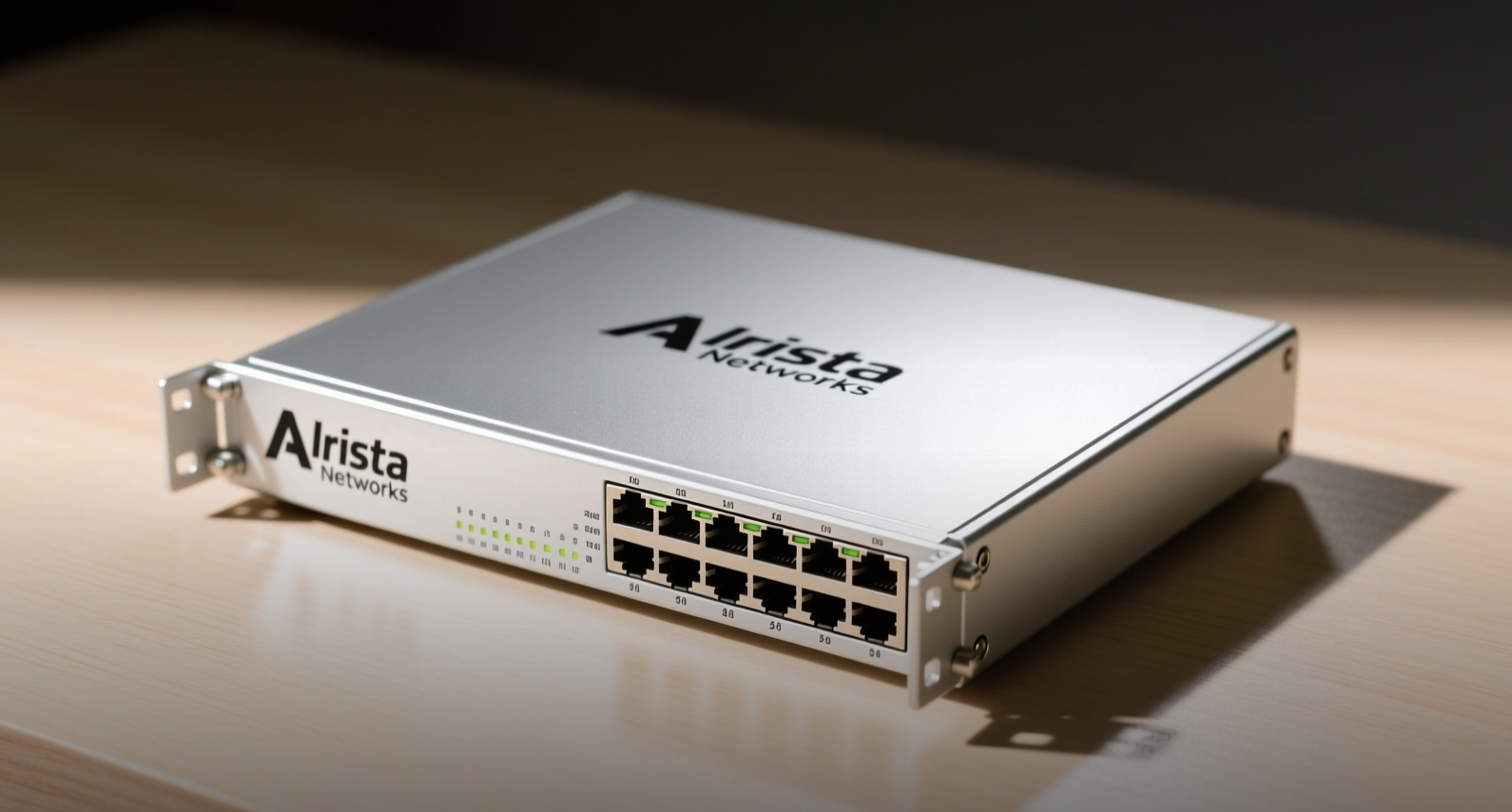
Enterprise AI adoption is pushing software stocks higher, with Arista Networks, Unity Software, HubSpot and Samsara each expanding AI capabilities to capture a share of growing corporate spending on intelligent platforms. The four companies, spanning networking, 3D development, marketing automation and connected operations, represent a cross-section of the software sector where AI features are becoming a competitive requirement rather than a differentiator.
"Companies are moving beyond AI experimentation into production deployment, and that shift benefits software vendors with embedded AI capabilities," said Alex Nguyen, an analyst at Edgen. "The winners will be platforms that can demonstrate measurable ROI from AI features within existing customer workflows."
Arista Networks, which provides cloud networking hardware and software, has integrated AI-driven network analytics into its EOS platform, helping data center operators manage traffic patterns as AI workloads expand. Unity Software, the 3D development platform, has added AI tools for real-time asset generation and simulation, targeting gaming and industrial digital twin applications. HubSpot has embedded AI into its customer relationship management suite, automating content generation and lead scoring. Samsara, which focuses on connected operations for physical industries, uses AI for predictive maintenance and fleet safety analytics.
The enterprise AI software market is projected to reach $126 billion by 2028, according to IDC, growing at a compound annual rate of 22 percent. That expansion is driving demand across the software stack, from infrastructure management to application-layer tools. Companies that can demonstrate AI-driven revenue growth are attracting premium valuations: the four stocks trade at an average of 8.5 times forward sales, above the software sector median of 6.2 times, according to Bloomberg data.
The AI Monetization Challenge
For software companies, the question is whether AI features translate into higher average revenue per user or simply become table stakes that competitors match. HubSpot's NRR (net revenue retention, a measure of existing customer spending growth) has held above 110 percent for six consecutive quarters, supported by AI-powered upsells. Samsara reported NRR of 121 percent in its most recent quarter, among the highest in the industrial software space. Arista's revenue grew 16 percent year over year in its last reported quarter, with the company citing AI-related networking demand as a key driver. Unity, still navigating a business model transition after its runtime fee changes, has seen its stock recover 34 percent from its 12-month low as AI tools gain traction with developers.
The risk is that AI features become commoditized as major cloud providers — Microsoft, Amazon and Google — embed similar capabilities into their platforms at no additional cost. Microsoft's Copilot, Amazon's Bedrock and Google's Vertex AI each offer enterprise customers AI tools that compete directly with standalone software vendors. That dynamic puts pressure on companies like HubSpot and Unity to demonstrate that their domain-specific AI models outperform general-purpose alternatives.
For investors, the divergence among the four stocks reflects the uneven pace of AI monetization. Arista and Samsara have shown the clearest revenue impact from AI, while HubSpot and Unity are still in the early stages of converting AI features into measurable financial results. The next two quarters will be telling: enterprise software budgets for 2027 are being finalized now, and AI spending allocations will determine which vendors capture the largest share.
This article is for informational purposes only and does not constitute investment advice.
