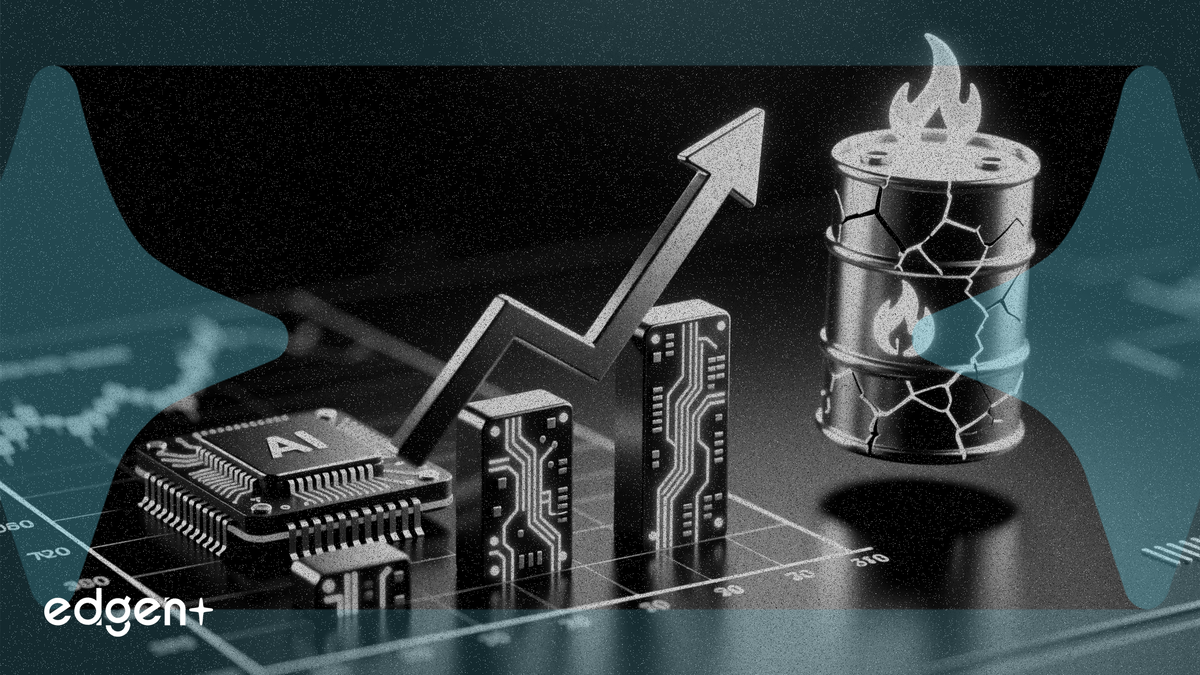
Yapay zeka hisseleri Pazartesi günü küresel hisse senetlerini yukarı taşıyarak, ABD-İran nükleer görüşmelerindeki tıkanıklığın körüklediği petrol fiyatlarındaki toparlanmayı geride bıraktı.
Yapay zeka ticareti Pazartesi günü kazanç serisini sürdürerek küresel hisse senetlerini yukarı taşıdı; ABD-İran müzakerelerindeki çıkmaz nedeniyle petrol fiyatlarındaki toparlanma, risk iştahını rayından çıkaramadı.
"Yapay zeka ticareti, yatırımcıların veri merkezi inşası ve altyapı harcamalarına doğrudan maruziyeti olan hisselere yönelmesiyle hisse piyasalarını yukarı itmeye devam ediyor," dedi Deutsche Bank Küresel Makro Başkan Yardımcısı Ozan Tarman, bir Bloomberg Television röportajında.
Yükseliş tabana yayıldı; teknoloji ve yapay zeka bağlantılı hisseler, S&P 500 dahil büyük endekslerde kazançlara öncülük etti. Bu ilerleme, ABD ile İran arasındaki müzakerelerin çıkmazda kalmasıyla yükselen ham petrol fiyatlarındaki toparlanmaya rağmen gerçekleşti. 10 yıllık Hazine tahvil getirisi seansta yükselerek, yapay zeka yatırımlarından kaynaklanan büyüme iyimserliği ile artan enerji maliyetlerinden doğan enflasyon endişeleri arasındaki gerilimi yansıttı.
Seanstaki kazançlar, jeopolitik riskler yeniden su yüzüne çıksa bile piyasanın yapay zekaya yönelik sermaye harcamalarının büyümeyi sürdüreceğine olan inancını gösteriyor. ABD-İran anlaşmazlığının yakın vadede çözüm belirtisi göstermemesi ve petrol fiyatlarının yükselmesiyle birlikte, hisse senedi rallisinin dayanıklılığı, yapay zeka kaynaklı kazanç momentumunun yüksek enerji maliyetlerinden kaynaklanan potansiyel enflasyonist rüzgarları dengeleyip dengeleyemeyeceğine bağlı olabilir.
Teknoloji hisseleri yükselişe öncülük ederken, yarı iletken ve veri merkezi altyapı hisseleri en büyük kazançları kaydetti. Bu hareket, Nvidia Corp. gibi çip üreticilerinden bulut sağlayıcılarına ve veri merkezi inşasını destekleyen enerji altyapı firmalarına kadar yapay zeka gelişimine bağlı şirketlere yatırımcı sermayesinin aktığı çok haftalık bir trendi uzattı.
Petrol fiyatlarındaki toparlanma makro tabloya karmaşıklık kattı. Ham petrol, Washington ile Tahran arasındaki diplomatik çabaların çıkmazda kalmasıyla yükseldi ve sürdürülebilir arz kısıtlamaları olasılığını artırdı. Yüksek enerji maliyetleri tipik olarak enflasyon ölçümlerine yansır ve bu da Fed'in faiz yolunu ve dolayısıyla hisse senedi değerlemelerini etkileyebilir.
Tarman, tahvil piyasalarının birbiriyle rekabet eden anlatıları fiyatladığını belirtti. "Getiri eğrisi, birbirine karşıt iki gücü yansıtıyor - biri yapay zeka yatırımından kaynaklanan verimlilik kazançları, diğeri arz yönlü şoklardan gelen yapışkan enflasyon," dedi. Bu yorumlar, yatırımcıların Fed'in bir sonraki politika hamlesine ilişkin beklentilerini ayarlamasıyla geldi; Haziran toplantısında faizin sabit tutulma olasılığı arttı.
Portföy yöneticileri için seansta, yapay zekanın 2026'da birincil hisse senedi teması olarak baskınlığı pekişti. Sektörün jeopolitik rüzgarlara ve yükselen emtia fiyatlarına rağmen yükseliş gösterebilmesi, yapay zeka altyapı harcamalarının döngüsel bir ticaretten ziyade yapısal bir fırsatı temsil ettiği yönündeki inancı güçlendirdi. Büyük teknoloji şirketlerinin güçlü üç aylık sonuçlar bildirmesi ve sermaye harcama tahminlerini yükseltmesiyle, yapay zeka bağlantılı hisseler için temel argüman sağlamlığını koruyor.
Genel piyasa yükselişi, büyük borsalarda yükselen hisselerin düşenleri geride bırakmasıyla iyileşen piyasa genişliği tarafından desteklendi. İşlem hacmi 20 günlük ortalamanın üzerinde seyrederek, ince ve duygu odaklı bir hareketten ziyade kurumsal katılıma işaret etti.
İleriye dönük olarak yatırımcılar, yapay zeka odaklı rallinin yaz ayları boyunca momentumunu sürdürüp sürdüremeyeceğine dair sinyaller için yaklaşan ekonomik veri açıklamalarına ve Fed yorumlarına odaklanacak. ABD-İran durumu kilit bir değişken olmaya devam ediyor; görüşmelerde olası bir atılım, petrol fiyat hareketini potansiyel olarak tersine çevirebilir ve hisse senetleri için bir rüzgarı ortadan kaldırabilir.
Bu makale yalnızca bilgilendirme amaçlıdır ve yatırım tavsiyesi niteliği taşımamaktadır.