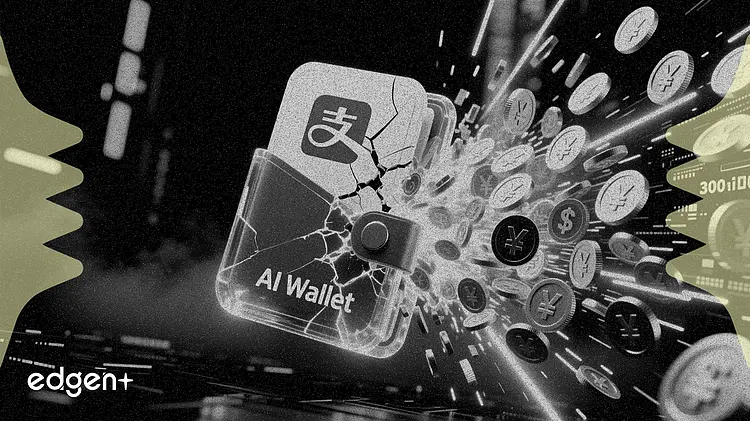
Alipay'in yeni AI Cüzdanı, tüketicilerin alışveriş kararlarını yapay zeka aracılarına devretmesine olanak tanıyor ve ödeme altyapısı şimdiden 300 milyon işlemi işleme koydu.
Ant Group'un ödeme kolu olan Alipay, 26 Mayıs'ta tüketicilere AI aracıları tarafından yapılan satın alımları yetkilendirme, takip etme ve inceleme imkanı sunan bir AI Cüzdan ve Token Pay sistemi başlattı. Bu hamle, aracı odaklı ticaretin dünyanın üçüncü büyük mobil ödeme ağının işlemleri işleme biçimini yeniden şekillendireceği iddiasına dayanıyor.
Bir Ant Group sözcüsü duyuruda, "AI aracıları ticaret için yeni arayüz haline geliyor ve ödemelerin pasif bir mutabakat katmanından aktif bir güven katmanına dönüşmesi gerekiyor," dedi. Ürün, tüketicilerin AI aracıları tarafından gerçekleştirilen görevleri ödeme öncesinde, sırasında ve sonrasında yönetmesine ve harcamaları daha sonra gözden geçirmesine olanak tanıyor.
Alipay'in AI ödeme hizmetleri, toplam 300 milyon işlem kaydederek küresel çapta ticari ölçekte benimsenmeye ulaşan ilk AI yerel ödeme altyapısı oldu. AI Cüzdan'a Alipay uygulaması içinde arama yaparak erişilebiliyor; Token Pay ise AI yerel ürünler için token tabanlı işlemleri mümkün kılıyor. İki AI yerel şirketi olan MiniMax ve StepFun, Alipay'in token yükleme, üyelik abonelikleri ve pazarlamayı kapsayan özelleştirilmiş tam kapsamlı AI ödeme çözümünü benimsedi.
Bu lansman, Alipay'i AI yerel altyapı inşa etme yarışındaki küresel ödeme ağlarının karşısına konumlandırıyor. Visa ve Mastercard, Mastercard Agent Pay ve Doğrulanabilir Niyet gibi girişimleri duyururken, Visa aracı odaklı ticaret ve stablecoin mutabakatına yatırım yapıyor. Alipay'in Asya genelinde 1 milyarı aşan mevcut kullanıcı tabanı, tüketicilerin harcama kararlarında AI aracılarına güveneceğini kanıtlama konusunda ona bir dağıtım avantajı sağlıyor.
MiniMax ve StepFun ile yapılan ortaklık, AI şirketlerinin ürünlerini nasıl para kazandırdığı konusunda bir değişime işaret ediyor. Token yüklemeleri — kullanıcıların token tabanlı krediler aracılığıyla AI hizmetleri için ön ödeme yaptığı sistem — geleneksel abonelik faturalandırmasından farklı, yinelenen bir gelir modeli oluşturuyor. Alipay'in tam kapsamlı çözümü, token ihracından mutabakata ve satın alma sonrası analitiğe kadar tüm ödeme yaşam döngüsünü yönetiyor.
Ant Group için AI ödeme hamlesi, tüketici kolaylığının ötesine geçiyor. Şirket, düzenleyici yeniden yapılandırmanın ardından fintech portföyünü yeniden inşa ediyor ve AI yerel ödemeler yeni bir büyüme vektörü temsil ediyor. Token Pay, özellikle geleneksel kart ağlarının ekonomik olarak hizmet vermekte zorlandığı mikro ödemeler ve kullanım bazlı faturalandırma için bir kanal açıyor.
Rekabetçi paydalar önemli. Visa'nın stablecoin mutabakat pilotu, 7 milyar dolarlık yıllıklandırılmış işlem hacmiyle dokuz blockchain ağını desteklerken, Mastercard'ın BVNK'yi satın alma planı stablecoin birlikte çalışabilirliği ve sınır ötesi mutabakatı hedefliyor. Alipay'in yaklaşımı, AI aracı yetkilendirmesini doğrudan ödeme akışına entegre ederek farklılaşıyor — bu, tüketicilerin satın alma kararlarını giderek artan oranda yazılıma devredeceğini varsayan bir tasarım tercihi.
Yatırımcılar için soru, Alipay'in 300 milyon işlem kilometre taşının gerçek bir dönüm noktası mı yoksa erken benimseyen yeniliği mi olduğu. Özel piyasalarda yaklaşık 200 milyar dolar değerlenen Ant Group, AI ödemelerini Batılı rakiplerinden daha hızlı ölçeklendirecek kullanıcı tabanına sahip, ancak AI odaklı finansal hizmetlere yönelik düzenleyici inceleme önemli bir risk olmaya devam ediyor. AI yerel altyapı inşa edemeyen ödeme ağları, bir sonraki nesil ticareti bunu yapan platformlara kaptırma riskiyle karşı karşıya.
Bu makale yalnızca bilgilendirme amaçlıdır ve yatırım tavsiyesi niteliği taşımaz.