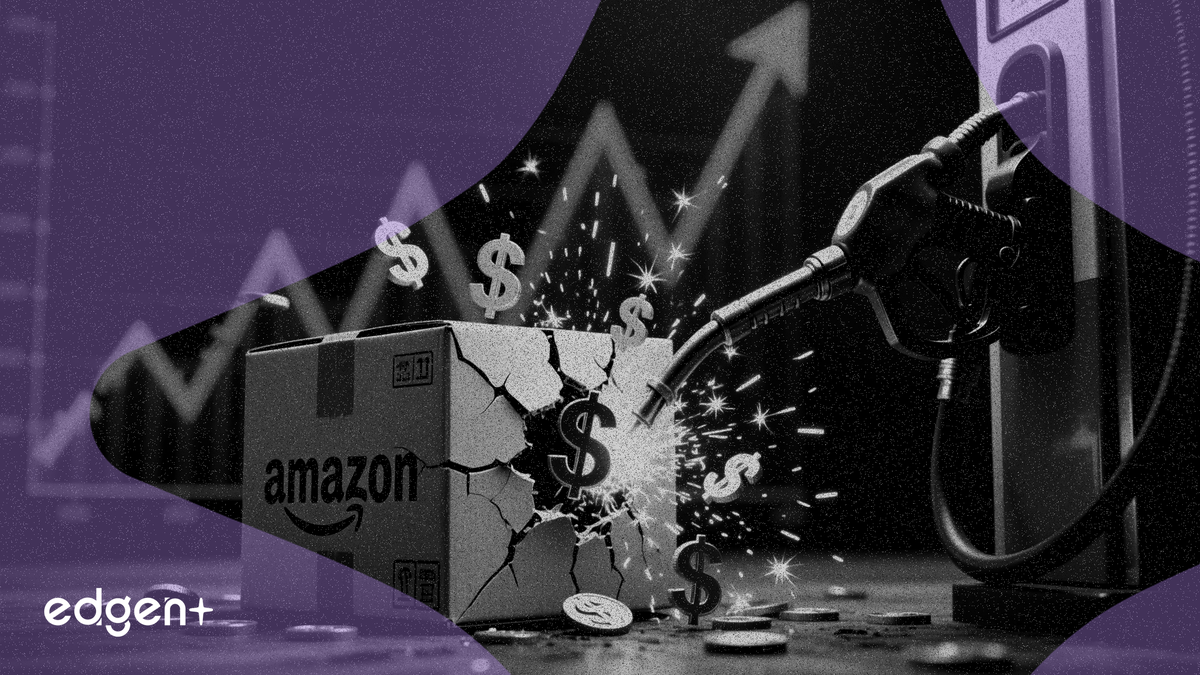
Amazon is passing rising fuel costs to its third-party sellers, introducing a 3.5% surcharge that affects merchants using its fulfillment network and tightens the screws on a key part of its e-commerce dominance. The move, announced to sellers this week, is a direct response to soaring inflation and fuel prices that are pressuring the retail giant's operating margins.
"Our partners are valuable to us, and we see this as a temporary measure given the inflationary pressures," an Amazon spokesperson said.
The 3.5% fee will be applied on top of existing Fulfillment by Amazon (FBA) fees for every unit stored and shipped in the US, beginning April 28. This comes as US gasoline prices have surged over 40% in the past year, directly impacting Amazon's extensive logistics operations. The company’s fulfillment costs reached $84 billion in 2021, a 28% increase from the prior year, according to its annual report.
The surcharge allows Amazon (AMZN) to protect its margins but shifts the burden to the millions of small businesses that rely on its platform. This could push sellers to raise consumer prices, making Amazon less competitive against rivals like Walmart (WMT) and direct-to-consumer platforms powered by Shopify (SHOP). Alternatively, sellers may be forced to absorb the cost, squeezing their own profitability and potentially reducing their activity on the platform.
This new fee is the latest cost increase for merchants, who already pay referral fees averaging 15% on top of charges for storage, shipping, and advertising. For many, using FBA is essential to gain the coveted Prime badge, which is a critical driver of sales volume. The added surcharge tests this dependency, potentially making platforms like Shopify, which offer merchants more control over their logistics and branding, a more attractive alternative despite the complexities of managing fulfillment independently.
For investors, the move highlights the delicate balance Amazon must strike between managing its own soaring operational costs and maintaining a healthy, competitive marketplace. While passing costs to sellers may provide a short-term boost to Amazon's bottom line, the uncertain long-term effects on seller retention and consumer pricing create friction in its powerful e-commerce ecosystem. The market reaction has been mixed, weighing the improved margin outlook for Amazon against the risk of damaging its third-party seller relationships, which account for over 50% of all units sold on the platform.
This article is for informational purposes only and does not constitute investment advice.