

Key Takeaways:
- Anthropic is in early-stage talks with Samsung for a custom AI chip
- The startup hired OpenAI silicon engineer Clive Chan to lead chip efforts
- Custom silicon could cut Anthropic's AI inference costs by 30% to 50%
Key Takeaways:
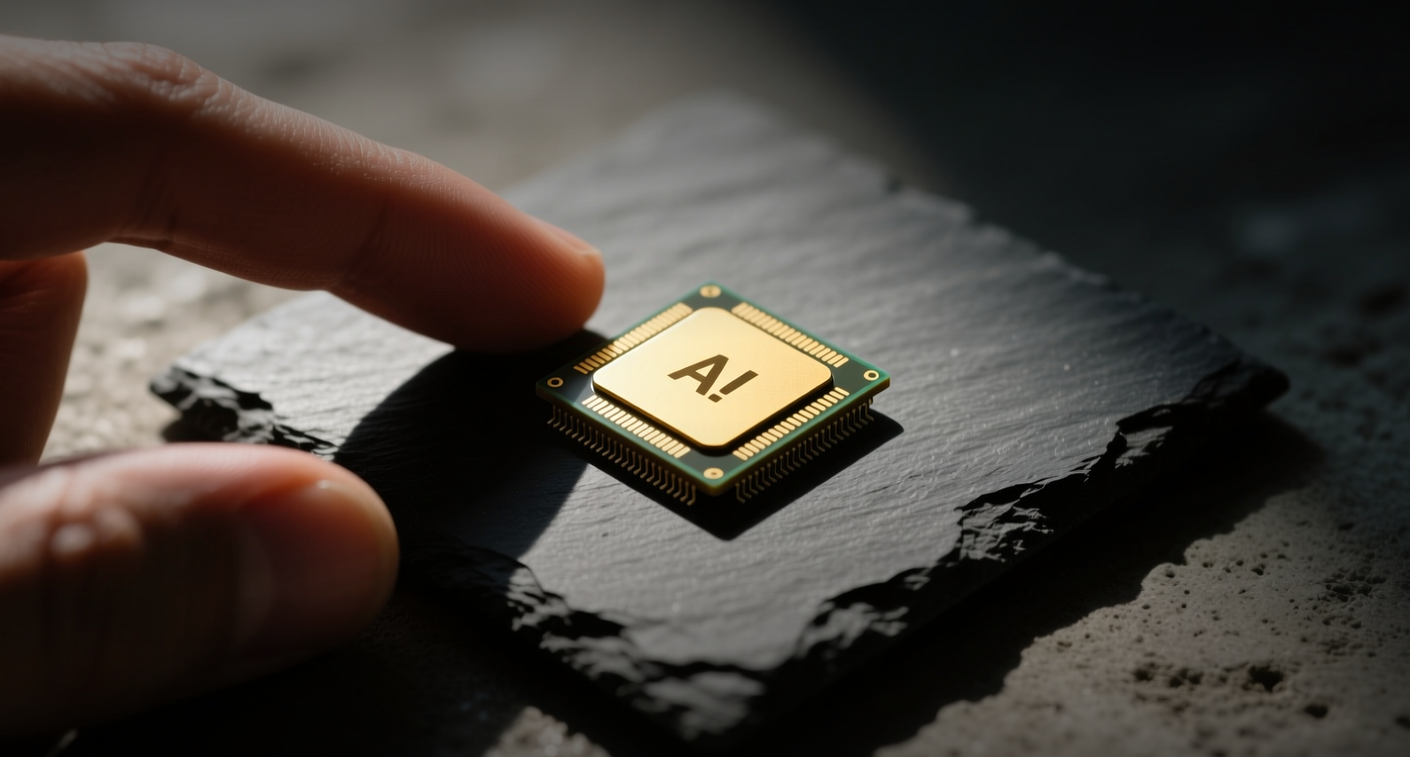
Anthropic has begun early-stage discussions with Samsung Electronics about manufacturing a custom artificial intelligence chip, marking the startup's first concrete step toward building its own hardware infrastructure.
The San Francisco-based AI company is in the foundational stages of defining the processor's specifications, power requirements and server cluster configurations, according to three people familiar with the matter. Anthropic has engaged with several chip design firms but has not yet progressed to formal blueprinting, testing or production, the people said.
"Developing custom silicon is the natural next step for any AI company that wants to control its own cost structure and supply chain," said Rachel Kim, a semiconductor supply chain analyst at Edgen. "Anthropic is following the same playbook OpenAI and Google have already written — but it's still years behind them."
The move mirrors a broader industry push by AI developers to command their entire backend infrastructure, from silicon and cloud partnerships to energy sources and physical data centers. OpenAI unveiled its own custom AI chip in June, developed in partnership with Broadcom Inc., while Google has long relied on its Tensor Processing Units and Amazon on its Trainium chips through Amazon Web Services.
Anthropic is exploring Samsung's advanced 2-nanometer manufacturing and packaging technology, the people said. The 2nm node — which packs more transistors per square millimeter, improving performance per watt — represents the next frontier in semiconductor fabrication. Samsung and its South Korean rival SK Hynix Inc. are among the world's top memory chipmakers, giving Anthropic potential access to both logic and high-bandwidth memory supply from a single partner.
To strengthen its chip-design capabilities, Anthropic has begun recruiting specialized engineering talent. The company recently hired Clive Chan, a key engineer from OpenAI's dedicated silicon division, according to the people.
Why Custom Silicon Matters for AI Economics
The economics of AI inference and training are driving the shift. Nvidia Corp.'s H100 graphics processors, which dominate the AI training market, carry an estimated unit price above $30,000, and the company's next-generation Blackwell architecture is expected to command even higher premiums. For a company like Anthropic, which must secure tens of thousands of these chips to train and run its Claude chatbot, the infrastructure bill runs into the billions annually.
By developing its own chip, Anthropic could reduce its reliance on Nvidia's GPUs and Google's TPUs, potentially cutting per-inference costs by 30 percent to 50 percent based on comparable custom-chip programs at other hyperscalers, according to industry estimates. Amazon's Trainium chip, for example, offers roughly 2x the memory bandwidth of Nvidia's H100 at a reported 40 percent lower cost for inference workloads.
Anthropic said in a statement that its existing partnerships remain foundational, noting that AWS Trainium chips, Google TPUs and Nvidia GPUs will continue to serve as core elements of its long-term computing strategy. Samsung declined to comment on the discussions.
The Competitive Landscape
The custom-chip push puts Anthropic in direct competition with OpenAI, which partnered with Broadcom on its first in-house chip, and with Google, which has been designing its own TPUs for nearly a decade. It also threatens to erode Nvidia's dominance in AI hardware over time, though analysts caution that the timeline for meaningful revenue impact is measured in years, not quarters.
Nvidia shares have gained more than 140 percent over the past 12 months, giving the company a market capitalization above $3 trillion. The stock trades at roughly 35x forward earnings, reflecting investor expectations that its data center business will continue to grow at 70 percent-plus annually. Any credible threat to that trajectory could pressure the multiple.
For Samsung, winning an Anthropic chip order would be a significant validation of its foundry business, which has struggled to match TSMC's market share in advanced nodes. Samsung's foundry division has been investing heavily in 2nm and 3nm capacity, and a marquee AI customer would help close the gap with the Taiwanese leader.
What Happens Next
Anthropic's chip effort remains in the earliest stages. The company has not set a timeline for tape-out or production, and the discussions with Samsung could still fall through or shift to another manufacturing partner. But the hiring of Chan and the active exploration of 2nm technology signal that Anthropic is moving beyond the exploratory phase reported by Reuters in April.
The broader implication is clear: the AI industry's largest players are racing to control every layer of their technology stack, from the algorithms to the silicon that runs them. For investors, the question is not whether custom chips will reshape the AI hardware market, but how quickly — and which incumbents will be most exposed.
This article is for informational purposes only and does not constitute investment advice.
