
Key Takeaways:
- Arizona's largest utility proposed a 45% rate increase for data centers
- Households face a 14.5% electricity rate hike in the same proposal
- The rate case tests how to fund grid upgrades for AI-driven demand
Key Takeaways:
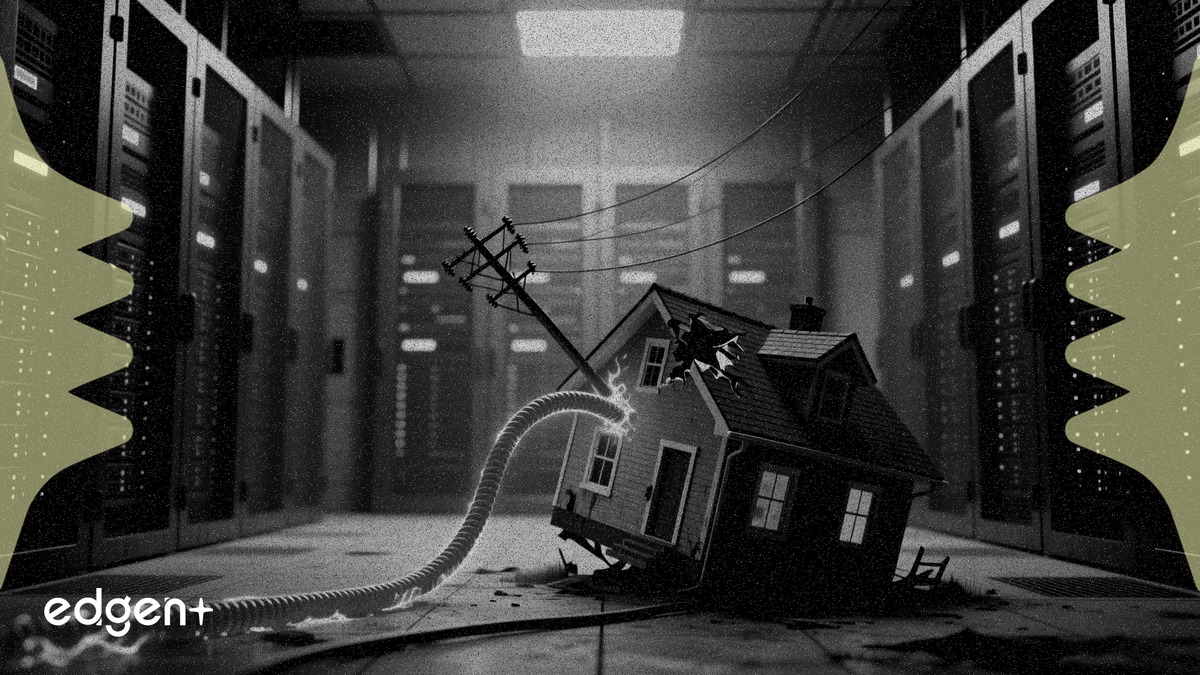
Arizona's largest utility proposed a 45% electricity-rate increase for data centers and a 14.5% hike for households, igniting a fight over AI's power costs.
"If you look at these numbers, we're seeing scales comparable to nations," Kaveh Madani, a water scientist and director of the United Nations University Institute for Water, Environment and Health, said of global data center energy consumption.
The proposal from the state's largest utility comes as Phoenix has become one of the nation's biggest data-center markets, with Microsoft and other tech companies expanding in the Sonoran Desert. Global data centers consumed 448 trillion watt-hours of electricity last year, more than all but 10 countries, according to a UN University report. That electricity use produced about 208 million tons of carbon dioxide, roughly equivalent to Argentina's emissions.
The rate case tests how utilities and regulators will allocate the cost of grid upgrades needed to support AI-driven demand. Data center electricity consumption is projected to nearly double by 2030, with AI accounting for 40% of that usage, up from 20% today. Households in Arizona already face high summer electricity bills in a region where temperatures regularly hit triple digits.
The utility's proposal leaves both data center operators and residential customers dissatisfied. Data center operators face a steep cost increase that could pressure margins in a market that has attracted billions of dollars in investment. Residential customers would see their bills rise even as they already bear some of the highest summer cooling costs in the US.
Arizona has become a test case for how the US will fund the energy transition required by artificial intelligence. The state's combination of available land, tax incentives and relatively low electricity costs has made it a magnet for data center development. But the infrastructure needed to power those facilities — substations, transmission lines and generation capacity — requires significant capital investment that utilities are seeking to recover through rate increases.
The UN report found that a typical ChatGPT-style query uses about 200 times more energy than a basic text classification task such as an email spam filter. About 90% of AI's power consumption comes from operational requests rather than training, the report said, with GPT alone processing 2.5 billion prompts daily. Cutting word use in requests by 30% could reduce energy consumption by 25%, the report found.
An ASU study warned that data center growth could worsen the urban heat island effect in Phoenix, where summer temperatures already exceed 110 degrees Fahrenheit. The concentration of windowless, energy-intensive facilities in the desert raises questions about the sustainability of locating AI infrastructure in extreme climates.
The rate decision will set a precedent for how other data-center hubs — from Northern Virginia to Silicon Valley — handle similar cost allocation questions. Arizona utility regulators are expected to rule on the proposal in the coming months, a decision that could influence data center expansion plans across the Southwest.
This article is for informational purposes only and does not constitute investment advice.
