

A Federal Court judge may order Tesla to open its internal engineering platforms to an independent expert, bypassing a discovery dispute that has stalled a class action representing roughly 10,000 Australian owners.
A Federal Court judge may order Tesla to open its internal engineering platforms to an independent expert, bypassing a discovery dispute that has stalled a class action representing roughly 10,000 Australian owners.
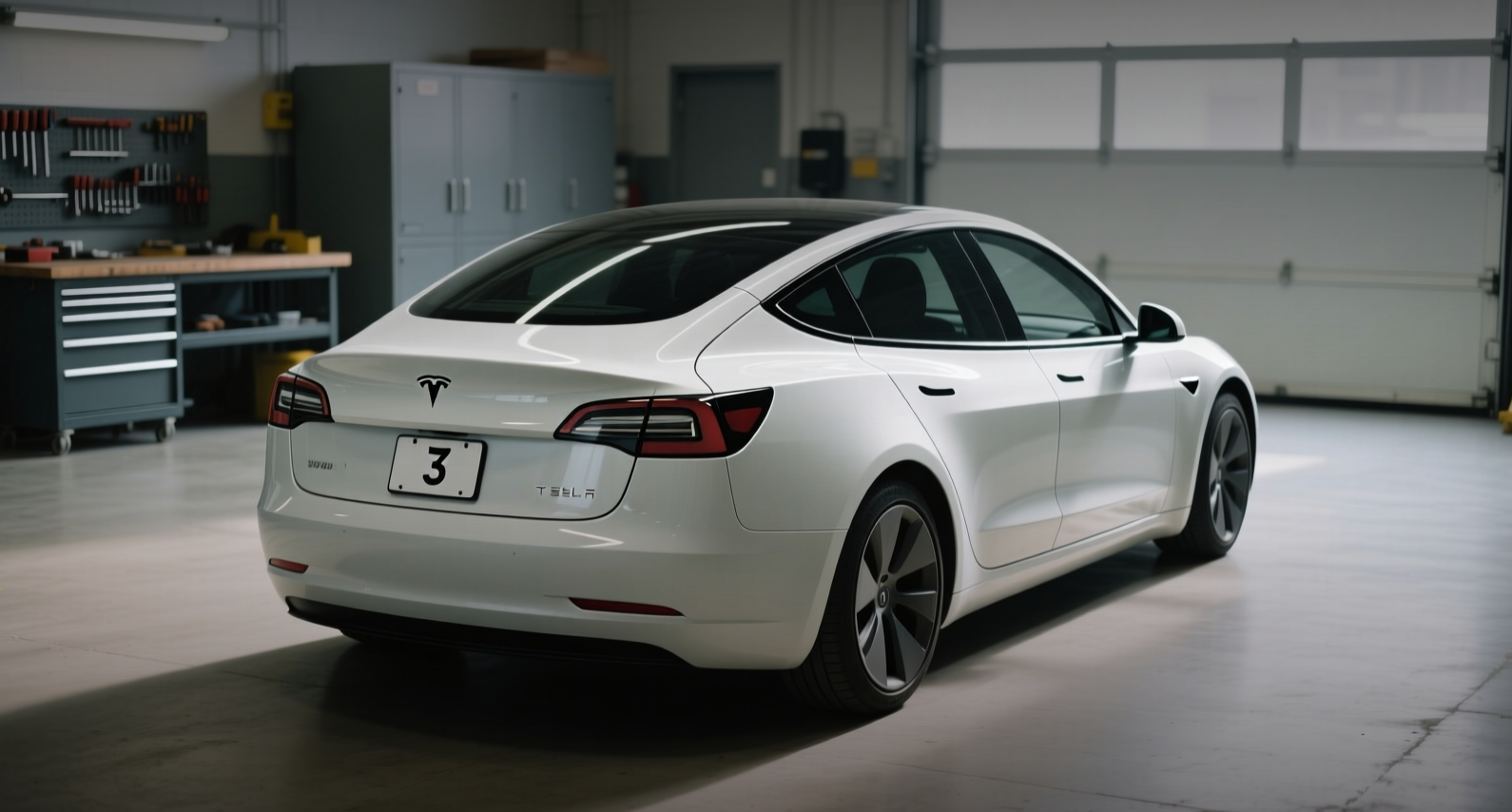
Federal Court judge Tom Thawley said he may order Tesla to give an independent expert access to its engineering platforms, bypassing a discovery dispute that has produced just 2,000 documents in eight months.
"Bringing in an independent expert who was endorsed by both sides would eliminate the discovery issue because they would have, if they needed access to something, the power to get access," Thawley told the court on Tuesday.
The lawsuit, filed in February 2025, alleges Tesla's Model 3 and Model Y vehicles suffer from "phantom braking" and that advertised self-driving capability and battery range were overstated. Tesla says it has handed over thousands of documents in good faith but that its engineers use live, continuously edited software platforms that do not keep point-in-time records or simulate paper documents. Thawley said a single court-appointed expert in each relevant field with access to the systems themselves would be cheaper and faster than fighting over documents, and told the parties he would consider ordering it over their objections.
The case adds to a growing legal overhang for Tesla as courts and regulators globally examine its autonomous driving claims. Tesla reported approximately 1.3 million Full Self-Driving subscriptions at the end of the first quarter, up from roughly 850,000 a year earlier, and charges US customers $99 per month for the software. The company generated more than 20 percent of its 2025 revenue from China, making regulatory approvals there strategically important. The matter returns to court on Nov. 12.
The judge's suggestion follows a May hearing in which Thawley described Tesla's limited disclosure as "gobsmacking" and warned the company it could face "a really bad time" if cooperation did not improve. Lawyers for the applicants, represented by Fiona Roughley, argued the materials provided were insufficient to brief technical experts involved in the case. Tesla's counsel Imtiaz Ahmed said his side would consider the suggestion, noting the company's systems were highly confidential. Thawley said he would not necessarily keep the court-appointed expert away from certain material "just because one of the parties doesn't like that idea."
Discovery impasse reflects software-era evidence challenge
The dispute highlights a structural tension between traditional discovery rules and modern software development. Tesla argues its engineers work on live, continuously edited platforms that do not maintain point-in-time records — a defense that courts are increasingly confronting as software-defined vehicles replace mechanical ones. The last time an Australian court confronted a similar discovery impasse in a technology case, the matter took more than two years to reach trial, according to court records.
For the 10,000 Tesla owners in the class action, a court-appointed expert with direct system access could accelerate the case and strengthen their position on phantom braking and range claims. For Tesla, the risk extends beyond the immediate litigation: external scrutiny of proprietary engineering systems could expose competitive information and set a precedent for other jurisdictions examining similar claims.
Market context
Tesla shares fell roughly 4 percent to around $428.72 on Friday as investors digested the lack of a breakthrough from US-China trade talks, interrupting a three-week rally that had lifted the stock 9.6 percent the prior week. The broader market also weakened as investors took profits in technology shares following a strong rally earlier in the week. The Australian legal proceedings are unlikely to materially affect near-term financials, but forced expert access to internal engineering systems could create competitive headwinds if the court orders it.
The case also carries broader implications for Tesla's autonomous driving narrative. With 1.3 million FSD subscribers and robotaxi services operating in four US cities following its initial Austin launch in June, Tesla's valuation increasingly hinges on software monetization. Adverse findings in Australia — or similar class actions elsewhere — could slow regulatory progress and force product changes that directly affect adoption.
If the court appoints an independent expert, Tesla would face the prospect of external scrutiny of its engineering systems for the first time in a litigation context. If the parties reach agreement on a mutually endorsed expert, the case could move toward trial more quickly. Either way, the Nov. 12 hearing will determine whether Tesla's software-era discovery defense holds up in an Australian courtroom.
This article is for informational purposes only and does not constitute investment advice.
