
Key Takeaways:
- Q2 revenue rose 30% to $1.7 billion, with GAAP EPS up 144%
- BRUKINSA global sales hit $1.25 billion, capturing 38% BTK market share
- Full-year revenue guidance raised to $6.6-6.8 billion
Key Takeaways:
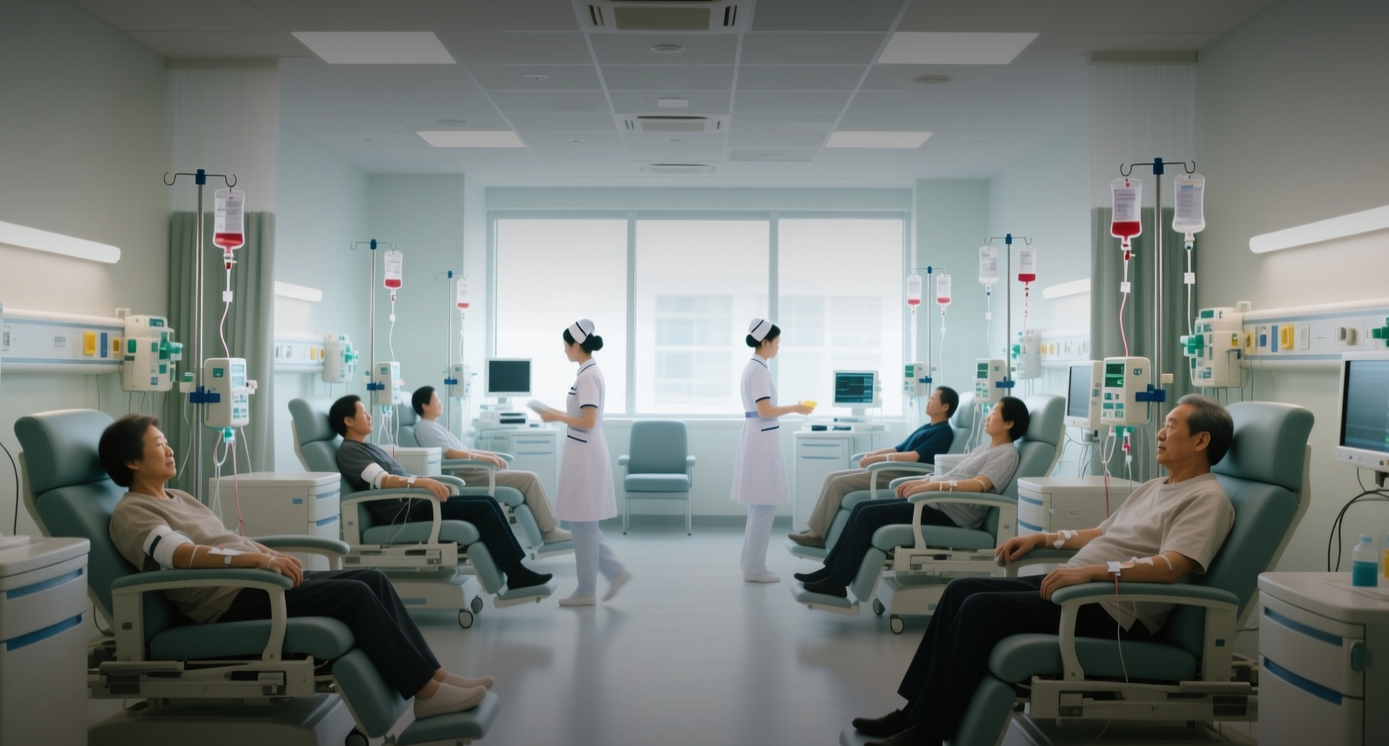
BeOne Medicines reported second-quarter revenue of $1.7 billion, up 30 percent from a year earlier, as BRUKINSA sales climbed 31 percent to $1.25 billion.
Chief Executive Officer John Oyler said the company raised its 2026 guidance for revenue and GAAP operating income, citing stronger-than-expected commercial performance across its hematology and solid-tumor pipeline.
Product sales reached $1.68 billion, slightly above broker and market expectations, according to Goldman Sachs. U.S. BRUKINSA sales totaled $893 million, up 31 percent year over year and above Goldman's $822 million forecast. Adjusted diluted earnings per ADS rose to $3.84 from $2.25, while free cash flow doubled to CNY 435 million.
BRUKINSA now holds a 38 percent share of the global BTK inhibitor market and has treated more than 300,000 patients across 80 markets. The drug is approved in five B-cell malignancies, including chronic lymphocytic leukemia, mantle cell lymphoma and Waldenstrom's macroglobulinemia. Non-CLL indications represent about one-third of total prevalence across the drug's approved uses, Chief Financial Officer Aaron Rosenberg said. The company said it has not yet seen a meaningful U.S. impact from AstraZeneca's acalabrutinib plus AbbVie's venetoclax combination.
The company raised full-year revenue guidance by $300 million to $6.6-6.8 billion. GAAP operating income guidance increased to $1-1.1 billion from $750-850 million, while non-GAAP operating income guidance rose to $1.7-1.8 billion from $1.45-1.55 billion.
Goldman Sachs raised its price target on BeOne Medicines to $441.30 from $414.46, maintaining a Buy rating, after lifting 2026-2028 EPS forecasts.
During the quarter, the FDA approved Beqalzi for relapsed or refractory mantle cell lymphoma, the first approved BCL-2 inhibitor in that disease. The company also reported positive Phase III MANGROVE data showing a BRUKINSA plus rituximab regimen was superior to bendamustine plus rituximab, with a hazard ratio of 0.57. Global regulatory submissions are planned for the second half of 2026.
TEVIMBRA generated $229 million in global sales, up 18 percent year over year. The FDA granted priority review to the drug in combination with ZIIHERA and chemotherapy for first-line HER2-positive gastroesophageal adenocarcinoma.
The guidance raise indicates management expects continued demand acceleration for BRUKINSA as it expands across approved indications. Investors will watch for MANGROVE full data presentation and the tacabrutideg accelerated-approval filing decision by year-end.
This article is for informational purposes only and does not constitute investment advice.
