

重要ポイント:
- バミューダはCircle、Coinbase、Stellarと提携し、世界初の完全オンチェーン経済を構築する
- 政府は住民に100米ドル相当のUSDCをエアドロップし、DMV手数料でのデジタル資産受け入れを計画
- スマートコントラクトの法的承認と組み込み型コンプライアンスのパイロットプログラムに関する法改正が進行中
重要ポイント:
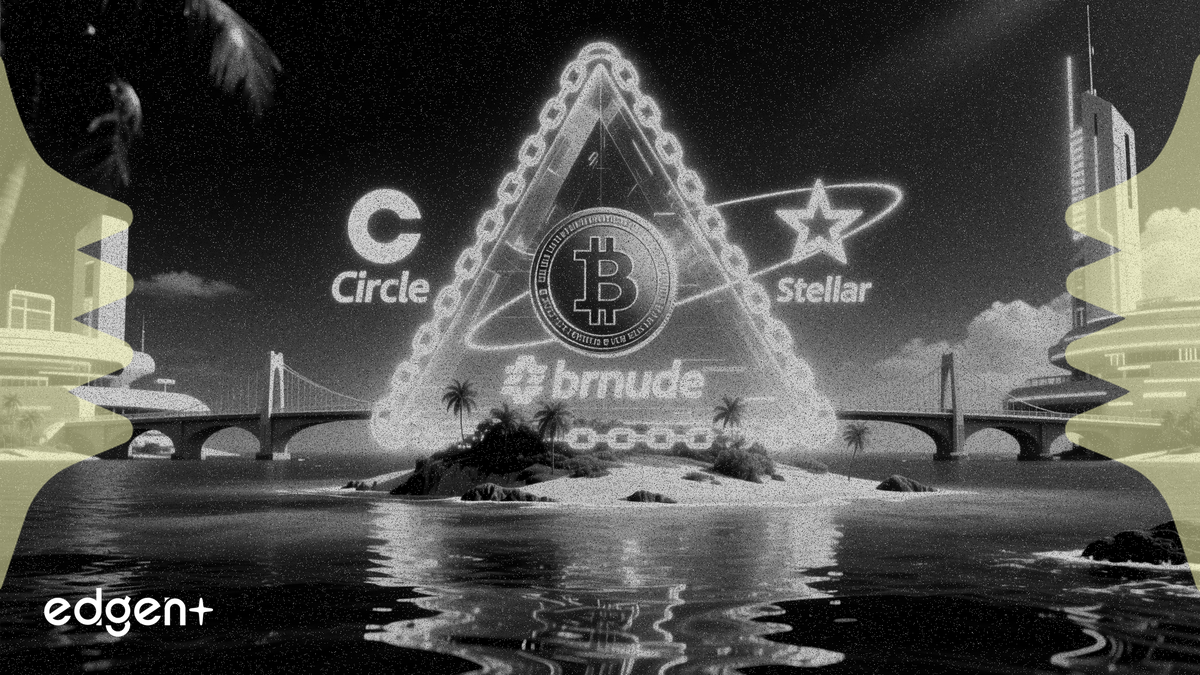
バミューダは自国の経済全体をブロックチェーンのレールに移行させようとしている。このプロジェクトは、ステーブルコインのエアドロップから sovereignデジタル通貨、政府手数料の支払いにまで及ぶ。
バミューダ政府はCircle、Coinbase、Stellarと協力し、世界初の完全オンチェーン経済と呼ぶものを構築している。このプロジェクトには sovereignなバミューダ・デジタル・ドルが含まれ、政府手数料の支払いにおいてデジタル資産を受け入れる取り組みは、まず自動車局(DMV)から開始される。
「我々はバミューダで大規模なイベントを開催し、市民に暗号ウォレットの設定方法を教育しました。そしてCircleのステーブルコインUSDCを100ドル分エアドロップし、購入での使用方法、送金、友人や家族への送信、換金、さらには希望すれば法定通貨へのオフランプ方法まで実演しました」と、バミューダ金融庁(BMA)のCEO、クレイグ・スワン氏はインタビューで述べた。
BMAが主催したこの公開テストでは、住民がポップアップマーケットでUSDCを使用し、MoneyGramを通じてその場で換金することができた。政府は今後、公共サービスに対するデジタル資産での支払いを、まず自動車局から受け入れ、その後他の政府機関へと拡大する計画だ。Circleは政府のデジタル財務口座向けにCircle Mintインフラを導入し、Coinbaseはオンボーディングに関するエンジニアリングサポートを提供している。
このプロジェクトは支払いにとどまらない。バミューダは財産法、契約法、証券法を改正し、スマートコントラクトを所有権の法的に有効な移転として認識する準備を進めている。スワン氏は、ブロックチェーンのプロセスが完全な制度的重みを持つ前に、この法改正が必要だと述べた。BMAはまた、スマートコントラクトに直接組み込まれたコンプライアンスルールのパイロットプログラムを実施し、自律型ソフトウェアによって開始される取引を監視するAI決済ハブを開発している。
従来の銀行が支える sovereignデジタルドル
バミューダとStellarとの提携は、従来の銀行が保有する法定通貨準備金によって裏付けられた sovereignステーブルコインである、バミューダ・デジタル・ドルの展開を目標としている。デイビッド・バート首相は、従来の決済システムへの依存がバミューダ人のコストを引き上げ、経済成長を鈍化させていると述べ、ブロックチェーンのレールは高コストな中間銀行ループを排除することで手数料を削減できると付け加えた。
スワン氏は、従来の銀行が引き続きデジタルトークンを裏付ける法定通貨準備金を保有し、現地でのカストディサービスを提供すると述べた。これは既存の銀行システムを完全に置き換えるのではなく、新しいインフラ内に維持するハイブリッド設計である。
基盤としての法改正
スワン氏は、オンチェーンシステムが大規模に機能するためには、契約法、財産法、証券ルールの分野を更新する必要があると指摘した。「契約法や証券法を見ると、場合によってはスマートコントラクトが所有権の法的移転を満たすかどうかが明確ではありません。我々は法律を精査し、整合性を確保する必要があります」と同氏は述べた。
BMAはまた、コンプライアンスをスマートコントラクトに直接組み込むパイロットプログラムを完了した。この試験では、プロトコルが自動的に取引を凍結できることが実証された。具体的には、裏付けとなる担保準備金が特定の閾値を下回った場合、またはアドレスがリアルタイムのマネーロンダリング防止や制裁スクリーニングに違反した場合に、取引所全体をブロックする仕組みだ。
バミューダの小規模な人口は、このプロジェクトを実行する上で構造的な優位性をもたらすとスワン氏は述べる。「リソースを持つ小規模な管轄区域は、我々に追随できるでしょう。大規模な管轄区域は異なるアプローチを取らざるを得ません。しかし、真剣に取り組む企業を惹きつけるには、底辺への競争をしないことが最善です。」
現在、この島国は世界で3大再保険センターの一角を占めており、政府はデジタル資産事業法(Digital Asset Business Act)の枠組みが、トークン化された現実資産(RWA)と分散型金融(DeFi)においても同様の世界的な足跡を残せると確信している。バミューダが政府手数料、財務運営、消費者取引をブロックチェーンのレール上で機能させることに成功すれば、オンチェーン経済が暗号理論を超えてどのように機能するかを示す、最も明確な実世界モデルの一つとなる可能性がある。
本記事は情報提供のみを目的としており、投資助言を構成するものではありません。
