
Ben Bernanke, the former Federal Reserve chairman who managed the 2008 financial crisis, will help oversee AI risks at Anthropic including job displacement and bubble concerns from surging spending.
Ben Bernanke, the former Federal Reserve chairman who managed the 2008 financial crisis, will help oversee AI risks at Anthropic including job displacement and bubble concerns from surging spending.
Ben Bernanke, the former Federal Reserve chairman who managed the 2008 financial crisis, will help oversee AI risks at Anthropic including job displacement and bubble concerns from surging spending.
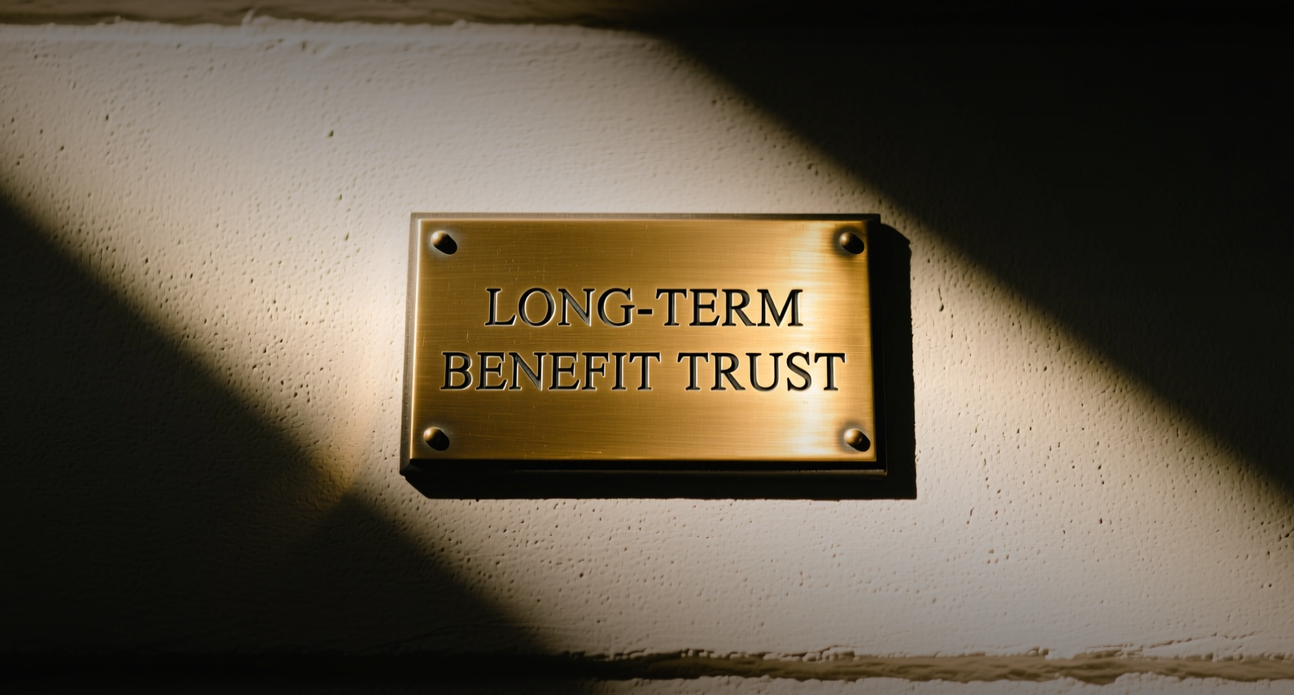
Ben Bernanke, former Federal Reserve chairman, joined Anthropic's Long-Term Benefit Trust, a governance body with authority to appoint board members and advise on AI risks including white-collar job displacement and financial bubbles from surging AI investment.
The trust was established to ensure Anthropic remains accountable to its public mission as a benefit corporation, according to the company's governance documents. Bernanke will advise on AI's societal impact and the potential for massive infrastructure spending to create financial instability.
As a trust member, Bernanke can appoint and remove Anthropic board members and advise senior management on AI risk and social impact. His focus includes AI's potential to replace white-collar roles and whether the hundreds of billions of dollars flowing into AI data centers and chips — dominated by Nvidia's GPUs — are inflating asset prices.
The appointment gives Anthropic's governance framework a level of institutional credibility rare in AI, potentially accelerating adoption by regulated industries such as banking and insurance. It also suggests that AI's systemic risks are being taken seriously at the highest levels of economic policy.
Anthropic, founded in 2021 by former OpenAI employees Dario and Daniela Amodei, structured itself as a public benefit corporation with the Long-Term Benefit Trust as a check on commercial pressures. The trust's members have fiduciary duties to the company's public mission, not to shareholders — a structure designed to prevent the safety-vs-speed tradeoffs that have divided the AI industry.
Bernanke's appointment is the highest-profile addition to the trust since its creation. His academic work on the Great Depression and his experience managing the 2008 crisis give him a framework for evaluating whether the current AI investment cycle carries systemic risk — a question he has explored in post-Fed writings on financial stability.
The move could have significant implications for AI adoption in finance. Major banks and asset managers have been cautious about deploying large language models in client-facing or trading applications, citing regulatory uncertainty and model risk. Having a former Fed chair embedded in a leading AI developer's governance structure may provide the comfort needed to accelerate deployment.
But Bernanke's presence also invites closer regulatory attention. His mandate explicitly includes evaluating whether AI spending is fueling financial bubbles — a framing that could embolden regulators to scrutinize AI infrastructure investment more closely. The Financial Stability Oversight Council has flagged AI as an emerging risk to financial stability, and Bernanke's involvement could accelerate formal rulemaking.
Anthropic is not publicly traded, but the governance appointment affects the broader AI ecosystem. Nvidia, whose GPUs power most AI training and inference, could benefit from accelerated enterprise adoption if Bernanke's presence reduces regulatory friction. Conversely, heightened scrutiny of AI spending as a bubble risk could pressure valuations across the AI supply chain. Nvidia trades at roughly 35x forward earnings, a premium that reflects expectations of sustained AI infrastructure spending.
This article is for informational purposes only and does not constitute investment advice.
