
Key Takeaways:
- Bessent says the US faces spending and growth problems
- Deficit-to-GDP ratio targeted below 4% by end of Trump term
- White House seeks $11.5B for Treasury, a 12% cut from 2026
Key Takeaways:
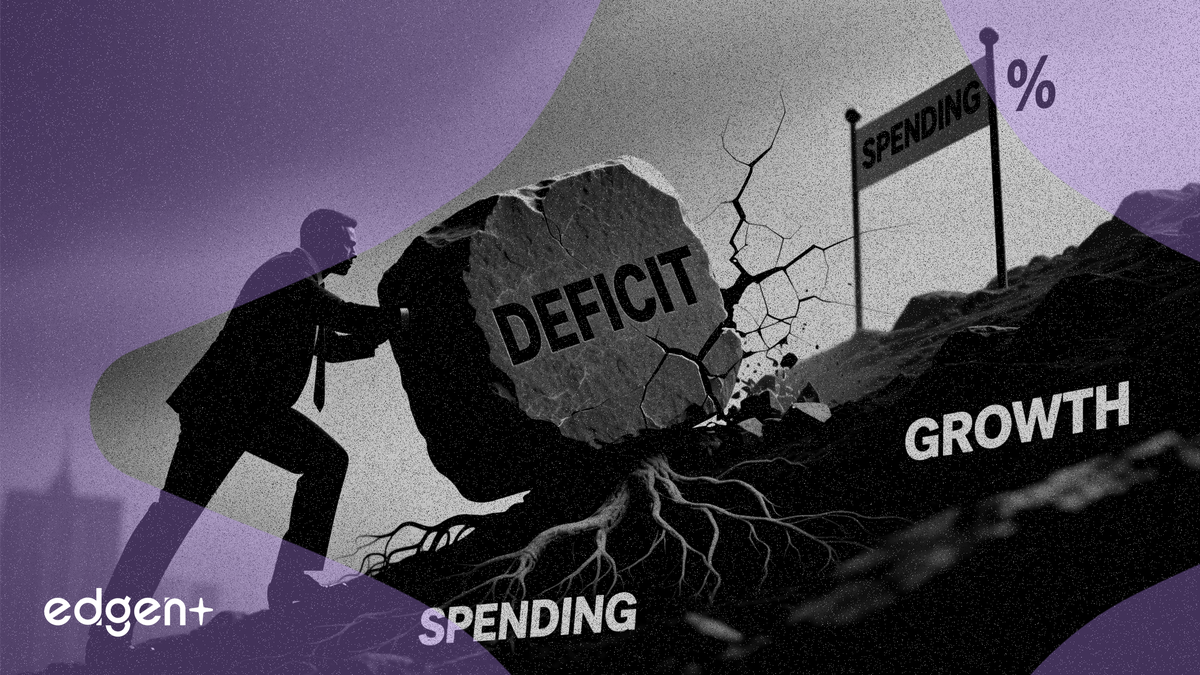
Treasury Secretary Scott Bessent told lawmakers the US must confront both spending and growth challenges as he projected the federal deficit could shrink to below 4% of gross domestic product by the end of President Donald Trump's term.
Treasury Secretary Scott Bessent said the US faces spending and growth challenges while projecting the federal deficit could fall below 4% of gross domestic product by the end of President Donald Trump's term, as the White House seeks to tighten fiscal policy amid a widening war in Iran.
"We have spending problems and growth problems," Bessent told the Senate Finance Committee on Wednesday during a hearing on the Treasury Department's fiscal 2027 budget request. The comments came as Bessent fielded questions on affordability concerns, the economic toll of the Iran conflict and the administration's controversial settlement with the Internal Revenue Service over Trump's tax audits.
The White House is seeking $11.5 billion in budget authority for the Treasury Department's domestic programs in fiscal 2027, a 12% decrease from the prior year. The proposed cuts come as the federal deficit stood at roughly 6.2% of GDP in fiscal 2025, according to Congressional Budget Office data, meaning Bessent's 4% target would require significant fiscal consolidation over the next three years. The US national debt has surpassed $36 trillion, with annual interest payments exceeding $1.1 trillion for the first time in the nation's history.
The hearing underscores the tension between the administration's fiscal goals and the economic pressures created by the Iran war, which has disrupted oil shipments through the Strait of Hormuz and pushed gasoline prices higher. Trump acknowledged in a podcast interview this week that the US blockade of the strait could continue through the Labor Day holiday, keeping energy costs elevated. Consumer confidence has deteriorated, with Trump's approval rating on the economy sliding as Americans grapple with higher fuel and food costs.
Senator Ron Wyden, the top Democrat on the committee, pressed Bessent on whether the Treasury Department was involved in the administration's decision to grant Trump audit immunity as part of a settlement resolving the president's $10 billion lawsuit against the IRS. The Justice Department has said the US is "forever barred and precluded" from examining Trump, his sons or the Trump Organization's current tax filings. Bessent declined to comment, citing ongoing litigation.
The Congressional Budget Office projects the federal deficit will average 5.5% of GDP over the next decade under current law, meaning Bessent's 4% target would require either faster-than-expected economic growth or deeper spending cuts than those proposed in the 2027 budget. The last time the deficit fell below 4% of GDP was in fiscal 2015, when it stood at 3.4% under the spending caps imposed by the Budget Control Act of 2011.
The Treasury budget hearing comes as the administration faces competing pressures: the need to fund military operations in Iran, maintain domestic programs and deliver on Trump's promise of tax cuts. The White House's proposed 12% reduction to Treasury's domestic budget would affect operations including tax enforcement, debt management and financial regulatory oversight at a time when the IRS is already understaffed relative to historical levels.
This article is for informational purposes only and does not constitute investment advice.
