
핵심 요약
- 비트코인 확신 매수자 공급량이 2026년 1분기에 69% 급증하며 보유량에 147만 BTC가 추가되었습니다.
- 이러한 축적은 BTC가 세 가지 주요 온체인 지지선을 하향 돌파하며 22%의 가격 하락을 겪는 동안 발생했습니다.
- ARK 인베스트는 시장이 아직 항복 바닥에 도달하지 않았다고 언급하며, 주요 지지 구간을 54,000달러 근처로 설정했습니다.
핵심 요약
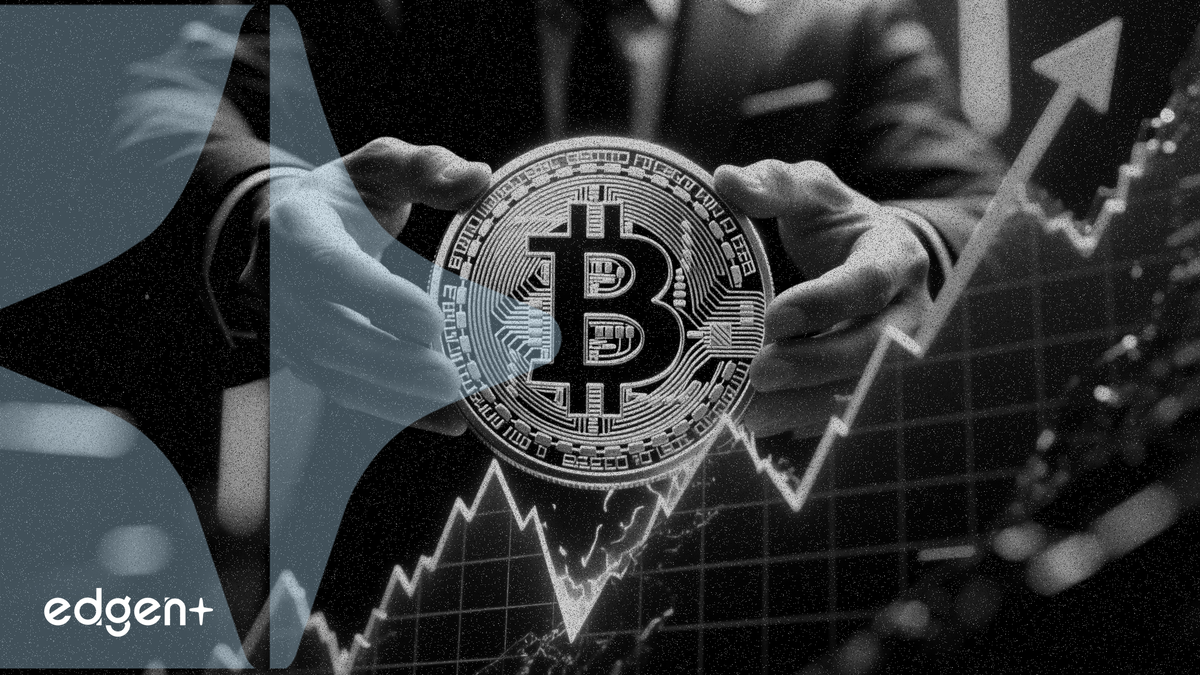
ARK 인베스트의 새로운 보고서에 따르면, 비트코인 장기 보유자들이 1분기 22%의 가격 조정 기간 동안 자신들의 금고에 147만 BTC를 추가했습니다. 이러한 공격적인 매집은 비트코인 가격이 여러 주요 기술적 지지선을 하향 돌파했음에도 불구하고 발생했으며, 이는 단기 가격 변동과 확신 매수자들의 행동 사이의 극명한 차이를 보여줍니다.
ARK의 '2026년 1분기 비트코인 분기 보고서'는 "이러한 안정성은 상당한 하락 변동성 속에서도 기관의 확신이 강력하게 유지되고 있음을 시사한다"고 밝혔습니다. 이 분석은 자산이 하락장을 매수 기회로 여긴 강한 신념의 참여자들에게 이전되었음을 강조하며, 이는 역사적으로 깊은 가치 항복 단계에서 관찰된 패턴입니다.
데이터에 따르면 확신 매수자들이 보유한 공급량은 3개월 만에 69% 증가하여 213만 BTC에서 360만 BTC로 급증했습니다. 이는 2020년 사이클 이후 가장 빠른 흡수율입니다. 분기 중 비트코인 가격은 90,613달러의 200일 이동평균선과 82,767달러의 단기 보유자 실현 가격을 돌파했습니다. 그러나 역사적으로 글로벌 바닥을 나타냈던 54,000달러 부근의 실현 가격은 결코 무너지지 않았습니다.
매집은 구조적으로 강세 신호이지만, ARK의 분석은 시장이 아직 진정한 바닥에 도달하지 않았음을 시사합니다. 이 회사는 중요한 하락 구간을 실현 가격(54,000달러)과 투자자 가격(50,000달러) 사이로 설정했으며, 1분기에는 두 가격 모두 테스트되지 않았습니다. 이 범위로의 하락은 역사적으로 고확신 항복 이벤트를 나타냈으나, 현재 사이클에서는 아직 발생하지 않았습니다.
온체인 매집 상황은 미국 현격 비트코인 ETF로의 지속적인 유입에 의해 뒷받침됩니다. Intellectia의 1분기 기관 채택 추적기에 따르면, 이 펀드들은 2024년 1월 출시 이후 530억 달러 이상의 누적 순유입을 기록했습니다. 블랙록의 iShares Bitcoin Trust(IBIT) 단독으로 약 80만 BTC를 보유하고 있습니다.
이러한 기관 수요는 가용 공급량이 줄어드는 상황에서 강력한 구조적 역학을 형성합니다. CryptoQuant의 데이터에 따르면 중앙 집중식 거래소의 보유량은 약 243만 BTC로 7년 만에 최저치로 떨어졌습니다. 현재 815,061 BTC를 보유한 Strategy와 같은 전용 기업 매수자와 ETF의 꾸준한 흡수가 결합되어 비트코인 유통 공급량의 상당 부분이 장기 보유 성향을 가진 지갑으로 이동하고 있음을 의미합니다.
이러한 역학은 2004년 최초의 금 ETF 출시와 유사한 점이 있는데, 당시 자산이 기관 포트폴리오에 통합되면서 7년 동안 가격이 346% 상승했습니다. ARK는 즉각적인 가격 바닥에 대해서는 신중한 입장을 유지하고 있지만, 기저의 자금 흐름 데이터는 이전의 개인 투자자 주도 사이클과는 근본적으로 다른 시장 구조를 가리키고 있습니다.
이 기사는 정보 제공 목적으로만 작성되었으며 투자 조언을 구성하지 않습니다.
