
Key Takeaways
- 지정학적 긴장이 고조되면서 비트코인은 지난 24시간 동안 약 3.2% 하락한 79,381달러를 기록하며 수주간 지속된 상승세를 마감했습니다.
- 호르무즈 해협에서 미국과 이란이 연루된 군사 공격 보고로 인해 위험 회피 심리가 촉발되었으며, 유가는 상승했습니다.
- 이번 하락은 비트코인이 최근 3개월 만의 최고치인 82,000달러를 터치했던 반등세를 뒤집은 것이며, 현물 ETF의 강력한 순유입세는 여전히 지속되고 있습니다.
Key Takeaways
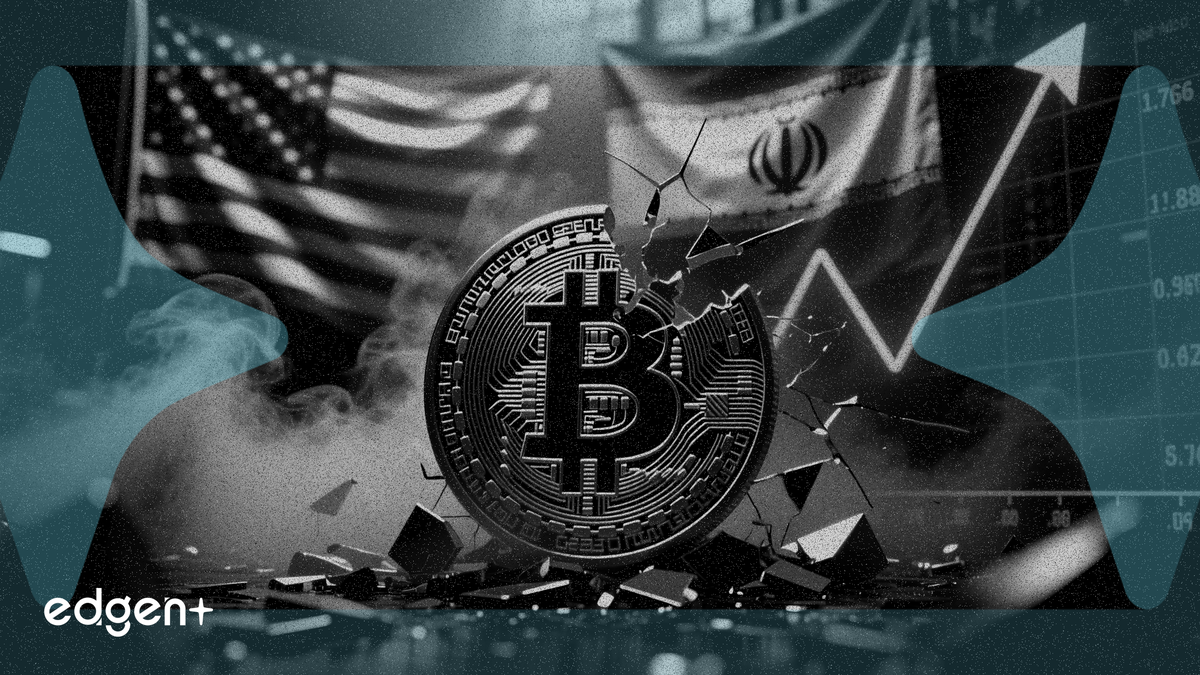
5월 8일 이른 시간, 비트코인(BTC)은 호르무즈 해협에서의 미국과 이란 간 군사 공격 보고로 인해 글로벌 시장의 위험 선호 심리가 위축되면서 79,381달러까지 하락하며 6주 연속 상승세를 마감했습니다.
삭소뱅크(Saxo Bank) 분석가들은 보고서에서 "핵심 요점은 변하지 않았습니다. 호르무즈 해협은 사실상 폐쇄된 상태이며, 미국과 이란 군대 사이의 재개된 충돌로 인해 단기적인 재개방 전망은 낮아졌습니다"라고 밝혔습니다. 이 충돌로 인해 안전 자산으로의 도피가 일어났으며, 금 가격은 트로이 온스당 4,700달러를 넘어선 반면 비트코인과 같은 위험 자산은 하락했습니다.
이번 하락은 이번 주 초의 흐름과는 극명한 반전을 보여줍니다. 비트코인은 중동 지역의 긴장 완화 기대감과 미국 기술주 실적 호조에 힘입은 전반적인 시장 랠리에 따라 5월 6일 3개월 만의 최고치인 82,000달러에 도달한 바 있습니다. Prime XBT의 데이터에 따르면, 이 디지털 자산의 기술주 중심 나스닥 100 지수와의 30일 상관관계는 0.84로 여전히 높습니다. 평화 협상으로 배럴당 100달러 아래로 떨어졌던 브렌트유는 사건 발생 후 다시 100달러 위에서 견고하게 거래되고 있습니다.
SoSoValue 데이터에 따르면 이번 하락은 5월 들어 현재까지 16억 달러 이상의 순유입을 기록하며 비트코인 현물 ETF에 대한 기관 수요가 지속되고 있음에도 불구하고 발생했습니다. 그러나 긍정적인 자금 유입도 지정학적 공포를 상쇄하기에는 역부족이었습니다. 트레이더들은 현재 78,920달러의 1차 지지선을 주시하고 있습니다. 이 지지선이 무너지면 10월에 기록한 사상 최고치인 126,000달러에서 23.6% 피보나치 되돌림 수준인 76,000달러 지지선까지 하락할 가능성이 열리게 됩니다.
이 기사는 정보 제공만을 목적으로 하며 투자 조언을 구성하지 않습니다.
