

트럼프와 이란이 상충되는 휴전 조건을 제시한 가운데, 비트코인이 금요일 74,000달러 위로 반등하며 거래자들이 휴전 기대감을 가격에 반영했다.
트럼프와 이란이 상충되는 휴전 조건을 제시한 가운데, 비트코인이 금요일 74,000달러 위로 반등하며 거래자들이 휴전 기대감을 가격에 반영했다.
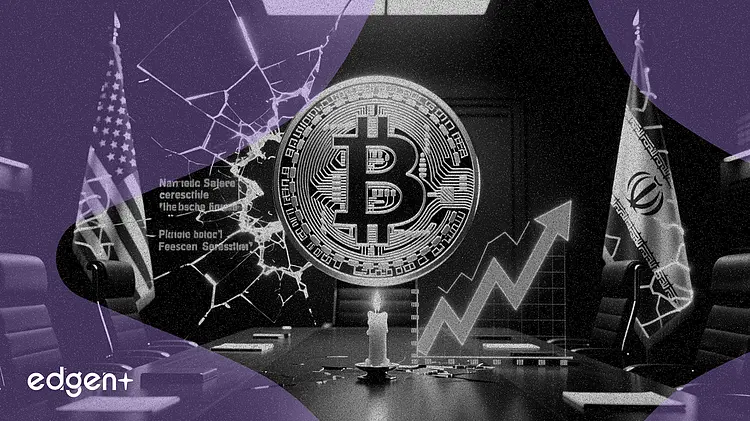
트럼프와 이란이 상충되는 휴전 조건을 제시한 가운데, 비트코인이 금요일 74,000달러 위로 반등하며 거래자들이 휴전 기대감을 가격에 반영했다.
비트코인은 금요일 14:30 UTC 기준 1.1% 상승한 74,161달러를 기록하며 심리적으로 중요한 74,000달러선을 회복했다. 이는 도널드 트럼프 대통령이 이란과의 잠정 휴전 협상안이 테이블 위에 올려졌다고 시사한 데 따른 것이다.
백악관 성명에 따르면 "트럼프 대통령은 이란이 '반드시' 핵무기를 영구히 포기하고, 통행료 없이 호르무즈 해협을 재개방하며, 미군 B-2 폭격기의 작년 공습 이후 남겨진 농축 우라늄을 미국이 제거할 수 있도록 허용해야 한다고 밝혔다." 그러나 이란 측은 수시간 내 파르스 뉴스를 통해 몇 가지 핵심 주장을 반박하며, 동결된 자산 120억 달러의 선지급, 레바논 휴전을 선결 조건으로 요구하고, 호르무즈 해협 무료 통행 조항을 거부했다.
이러한 대립은 앞서 암호화폐 시장을 들썩이게 했다가 논란이 되는 조건이 표면화되며 잦아들었던 호르무즈 해협 관련 협상설을 연상시킨다. 뉴욕타임스는 잠정 협상안에 이란 재건을 위한 3,000억 달러 규모의 기금이 포함돼 있으며, 미 협상단이 이를 국제 투자 기금으로 명칭을 변경했지만, 트럼프 대통령은 성명에서 이 금액을 언급하지 않았다고 보도했다.
이번 반등은 비트코인에게 혹독한 한 주를 보낸 뒤 나왔다. 비트코인은 목요일 이란 이슬람 혁명수비대가 쿠웨이트 내 미군 공군 기지를 공격한 후 73,000달러 아래로 하락했으며, 이는 광범위한 위험회피 흐름을 촉발해 단일 세션 동안 전체 암호화폐 시가총액을 2.54조 달러에서 2.45조 달러로 끌어내렸다. 비트코인과 이더리움 ETF에서 8억 달러가 넘는 순유출이 발생하며 주간 최대 순상환액을 기록했고, 유출 행진은 8거래일 연속으로 이어졌다. 공포탐욕지수는 31까지 하락하며 확고한 '공포' 영역에 머물렀다.
시장을 무너뜨리지 않은 13억 달러의 시험
화요일, 누군가가 블랙록의 아이셰어즈 비트코인 트러스트 주식 2,900만 주를 약 12억 9,000만 달러 규모의 단일 거래로 매도했다. 이는 IBIT의 15개월 역사상 최대 규모의 블록 딜이었다. 그러나 비트코인 가격은 당일 거의 변동이 없었다. 갤럭시 디지털의 알렉스 쏜은 이번 거래가 비트코인의 기관 시장 인프라가 이전 사이클이라면 20~30% 폭락을 초래했을 충격을 흡수할 수 있을 만큼 성숙해졌음을 증명했다고 평가했다.
이 거래는 장 개시 전 다크 풀을 통해 실행되어, 직접 시장 매도였다면 촉발됐을 연쇄적인 손절매와 청산을 방지했다. 매도자의 신원은 아직 알려지지 않았으며, 헤지펀드에서 국부펀드에 이르기까지 다양한 추측이 나오고 있다.
비트코인의 향방
비트코인이 74,000달러 이상을 유지하기 위해서는 거래자들은 확인 가능한 조건이 포함된 확정된 휴전, 혹은 기관의 위험 선호도를 회복시킬 수 있을 만큼 강력한 거시적 촉매가 필요하다. 다음 의미 있는 저항선은 현재 200일 지수이동평균(EMA)이 위치한 78,500달러다. 70,500~71,000달러 대역의 지지선이 붕괴되지 않아야 68,000달러 수준을 재시험하는 것을 막을 수 있으며, 이는 지정학적 반응을 넘어선 구조적 변화를 확인하게 될 것이다.
5월 14일 이후 미국 현물 비트코인 ETF에서 22억 6,000만 달러가 유출되면서 2026년 순유입분의 대부분이 사라졌으며, 현재 순유입량은 불과 4,500 BTC만 남아 있다. 유출 행진이 반전되기 위해 트레이더들은 지정학적 긴장 완화 신호나 고위험 자산 배분에 대한 의욕을 되살릴 만큼 충분히 낮은 CPI 지표를 주시하고 있다. 현재로서는 즉각적인 일정에 잡힌 것은 없다.
본 기사는 정보 제공 목적으로만 작성되었으며 투자 조언을 구성하지 않습니다.
