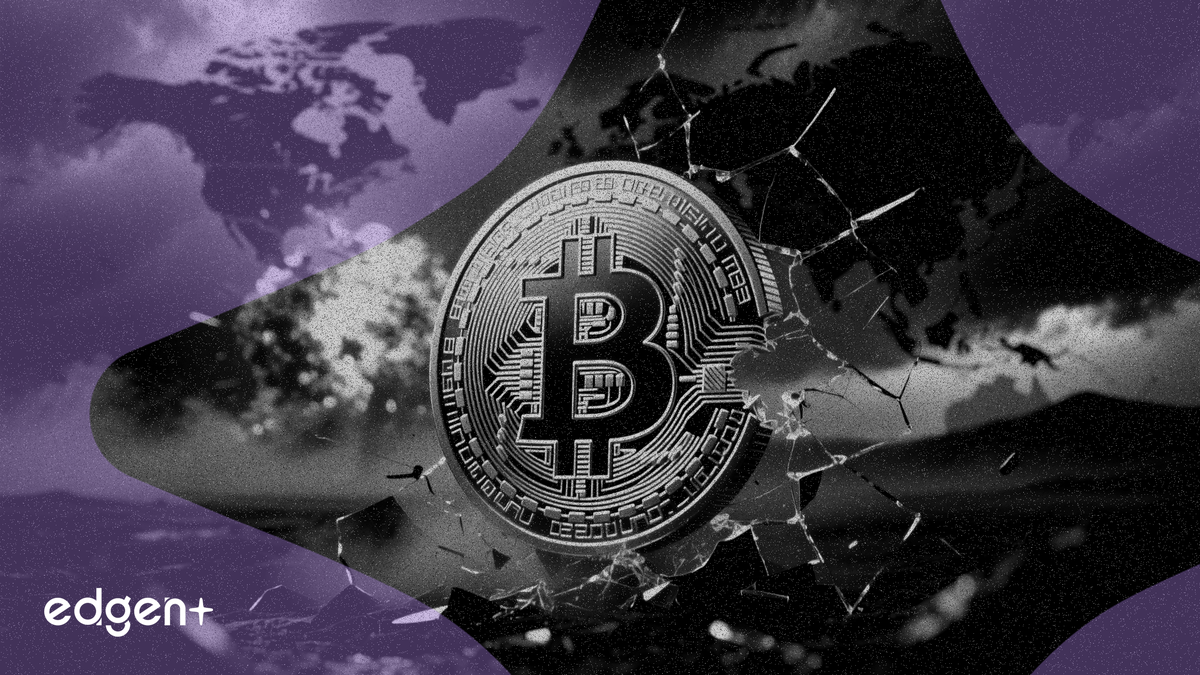
Bitcoin cayó hacia la marca de los 77.000 $ el lunes después de que el ejército de los Estados Unidos anunciara que había llevado a cabo nuevos ataques aéreos en el sur de Irán, reavivando los temores de un conflicto más amplio en Oriente Medio y provocando una venta de activos de riesgo.
La criptomoneda más grande del mundo cotizaba a aproximadamente 77.300 $, una caída de alrededor del 1 por ciento en las horas posteriores a la noticia, según los datos de CoinGecko a las 22:00 UTC. El movimiento se vio reflejado en caídas de las principales altcoins, incluyendo Ethereum, XRP y Dogecoin, mientras los operadores descontaban el aumento del riesgo geopolítico. El Comando Central de EE. UU. dijo en un comunicado que los ataques de "autodefensa" se dirigieron contra sitios de lanzamiento de misiles y barcos iraníes.
Los ataques son el último desarrollo en un conflicto que comenzó en febrero de 2026 y tienen implicaciones directas para los inversores en criptomonedas. Como parte de su campaña de presión, el gobierno de EE. UU. congeló previamente aproximadamente 344 millones de dólares en activos digitales vinculados a Irán, según una revelación de mayo del Secretario de Estado Marco Rubio. Esa acción demostró una creciente capacidad de las autoridades para rastrear e incautar criptoactivos, un factor que continúa dando forma al mercado.
Para los inversores, la escalada vincula el mercado cripto directamente con los precios globales de la energía y las expectativas de inflación. El conflicto amenaza el tráfico en el Estrecho de Ormuz, por el que pasa una quinta parte del petróleo mundial. Las escaladas anteriores en junio de 2025 se correlacionaron con la caída de Bitcoin por debajo de los 100.000 $, estableciendo un precedente de tensiones geopolíticas que pesan sobre los precios de los activos digitales.
La acción militar se produce a pesar de las negociaciones diplomáticas en curso para poner fin a la guerra y restaurar el transporte marítimo comercial. El Secretario Rubio confirmó a principios de mayo que, si bien había un acuerdo marco sobre la mesa, EE. UU. mantiene la plena preparación militar y no aceptaría un acuerdo deficiente. Este enfoque de doble vía de bombardeos y negociaciones simultáneas ha mantenido a los mercados en vilo, y cualquier señal de flaqueza en las conversaciones amenaza con desencadenar más ventas.
La última caída de precios sitúa a Bitcoin cerca de un nivel de soporte técnico crítico. Los analistas están observando si el precio puede mantenerse por encima de los 77.000 $ en medio de la incertidumbre. Un fracaso en hacerlo podría abrir la puerta a una corrección más profunda, mientras que una estabilización podría señalar resiliencia frente a los persistentes vientos en contra macroeconómicos y geopolíticos.
Este artículo es solo para fines informativos y no constituye asesoramiento de inversión.