
主なポイント
- Blockは、生産性に対する人工知能の影響を理由に、今年中に従業員の40%を削減します。
- この動きは、AIによって少人数チームでより多くの成果を上げることが可能になったCoinbaseやCloudflareでの同様の削減を反映しています。
- AIはタスクを自動化していますが、専門家はAIが仕事を完全に排除するのではなく、再構築していると指摘しています。
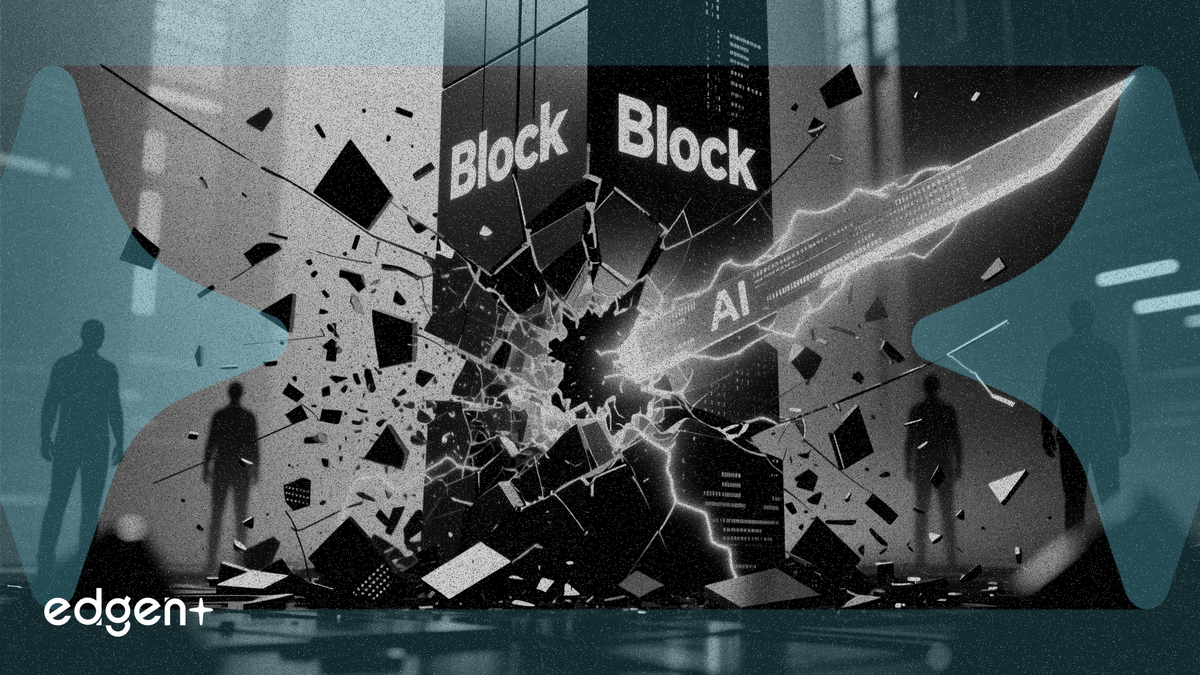
金融テクノロジー企業のBlock Inc.は、人工知能の恩恵を受けた、これまでで最も積極的な企業重組の一つとして、今年中に従業員の40%を削減します。
SquareやCash Appを運営する同社によるこの解雇は、ビジネスリーダーがAIの能力を中心に労働力を再調整している広範なトレンドの一環です。「AIによって、より少人数のチームでより多くのことが可能になった」と同社は述べており、最近人員を削減した他のテック企業の意見に呼応しています。
この動きは、暗号資産取引所のCoinbaseやウェブインフラ企業のCloudflareによる同様の発表に続くものです。CoinbaseのCEOは、AIによってエンジニアが「かつて1チームで数週間かかっていたものを数日で提供できる」ようになったため、従業員を約14%削減していると述べました。Challenger, Gray & Christmasのレポートによると、今年これまでに4万9,000件以上の職削減でこの技術が引用されており、Blockの再構築は職場におけるAIの役割に対する不安の高まりを浮き彫りにしています。
この戦略的転換は、運営費用を大幅に下げることで収益性を向上させることを目的としています。市場の反応は様々ですが、AI主導の効率化に焦点を当てることで、競争の激しいフィンテックおよび決済セクターの投資家にとって重要な指標である利益率の強化に向けてBlockを位置づける可能性があります。
AIの導入はBlockに限ったことではありません。テック業界全体で、企業は職務全体を置き換えるのではなく、仕事の一部を自動化するためにAIを統合しています。McKinsey & Companyの調査によると、AIは技術的に業務活動の57%を自動化できますが、これは様々な役割の「断片や一部」に分散しています。
この移行は、ソフトウェアエンジニアリングなどの仕事の性質を変えています。ベテランのソフトウェアエンジニアであるスジャータ・スリダラン氏はCNNに対し、現在の彼女の仕事はコードの記述とAIへのプロンプト入力の組み合わせであり、必要なスキルが問題解決と品質評価へとシフトしていると語りました。この考えは、AnthropicのClaude Code責任者であるボリス・チェルニー氏も共有しており、コーディングが役割の一部にすぎなくなるにつれ、「ソフトウェアエンジニア」という肩書きは「ビルダー(構築者)」へと進化する可能性があると考えています。
AIは大きな要因ですが、企業がコスト削減を模索する中で、企業重組はより広いテーマとなっています。例えばスターバックスは最近、2028年までに20億ドルの節約を計画している一環として、300の事務職の廃止と4つの地域オフィスの閉鎖を発表しました。テクノロジーや財務などの部門に影響を与えるこれらの削減は、AIに直接関連したものではなく、運営の合理化と店舗レベルの改善への投資というより広範な目標によるものでした。
投資家にとって、Blockの大幅な削減は明確な物語を提示しています。同社はAIを活用することで、よりスリムで収益性の高い組織を作れるという大きな賭けに出ています。競合他社は今後、追随するか効率面で取り残されるリスクを冒すかの決断を迫られるため、この動きはフィンテック業界全体の銘柄に影響を与えます。成長期待を反映した予想PERで取引されているBlockの株価は、これらの生産性向上が最終的な業績に結びつくかどうか、注視されることになるでしょう。
この記事は情報提供のみを目的としており、投資アドバイスを構成するものではありません。
