

Key Takeaways:
- Block Inc. unveiled modular Bitcoin mining hardware at a conference on June 30
- The entry challenges Bitmain's dominant position in the ASIC mining market
- Modular design could lower costs and improve supply chain resilience for miners
Key Takeaways:
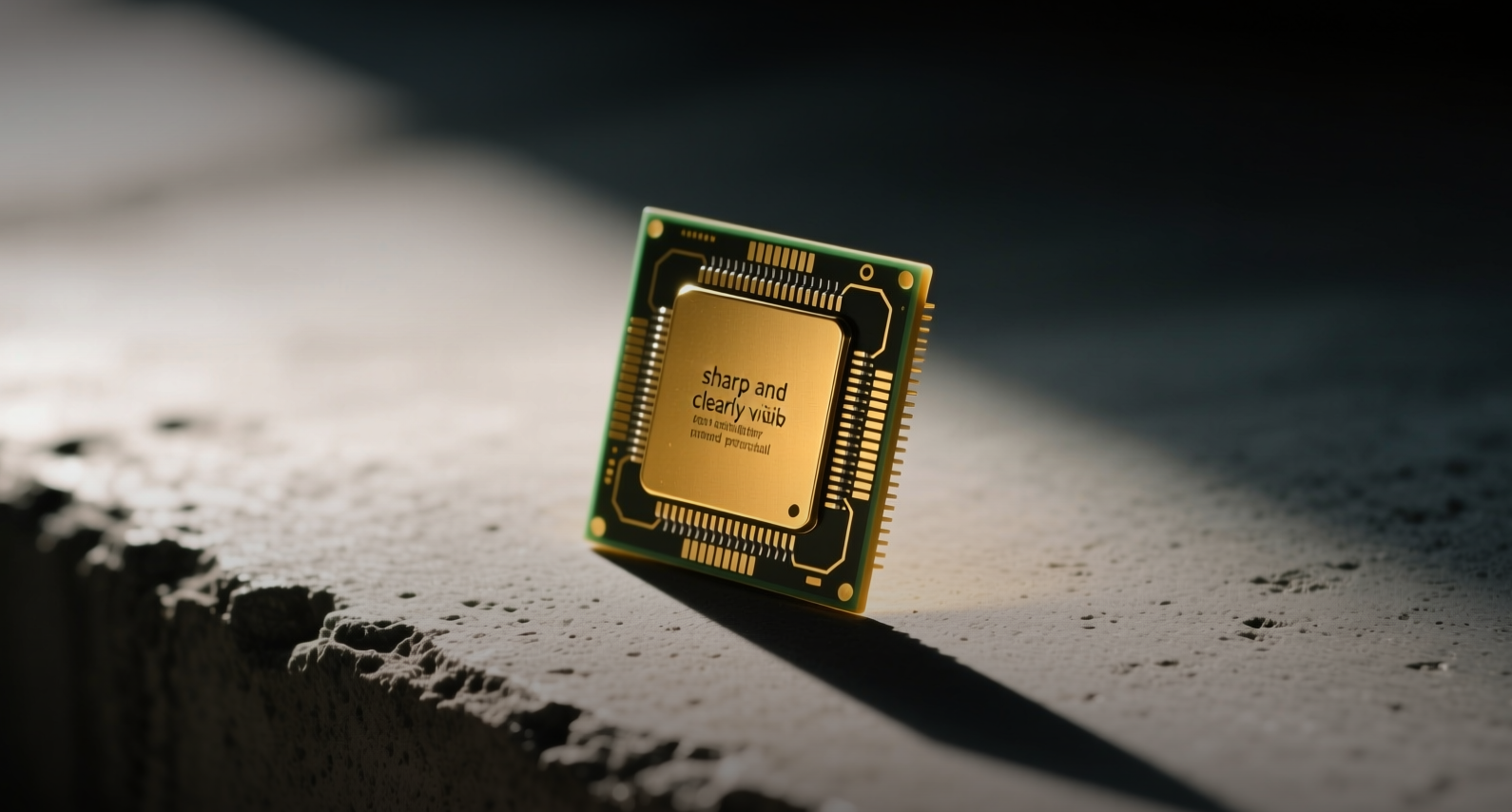
Block Inc. unveiled modular Bitcoin mining hardware at a conference on June 30, positioning itself as the first credible challenger to Bitmain's decade-long dominance in the mining equipment market.
Block Inc. showcased modular Bitcoin mining hardware at a conference on June 30, entering a market long controlled by Bitmain's application-specific integrated circuit machines.
The entry of a major publicly traded company into mining hardware signals strong institutional confidence in Bitcoin's long-term value, according to analysts tracking the sector. Block has been developing its own mining chip for several years, with Chief Executive Officer Jack Dorsey positioning the effort as a way to make the network more decentralized.
Block's modular design approach could lower hardware costs and improve supply chain resilience, addressing two pain points that have persisted under Bitmain's near-monopoly. The company has not yet disclosed pricing, hash rate specifications, or production timelines for the new machines.
The move threatens Bitmain's dominant position in the ASIC mining hardware market, a concentration that has left miners with limited supplier options and exposed to single-vendor supply disruptions. If Block delivers on its modular promise, the shift could reshape the economics of Bitcoin mining by giving operators the flexibility to upgrade individual components rather than replacing entire rigs.
Breaking Bitmain's Grip on ASIC Supply
Bitmain has controlled the majority of the Bitcoin ASIC market for years, with its Antminer series becoming the default choice for large-scale mining operations. Block's modular alternative would let miners swap components such as hash boards and control systems, potentially reducing total cost of ownership over a rig's lifecycle.
The development comes as the mining industry explores technologies that improve efficiency and decentralization. Earlier in June, GoMining mined the first Bitcoin block using Stratum V2's Job Declaration protocol through the DMND pool, demonstrating how miners can retain control over block construction while participating in pooled operations. Block's hardware push complements this trend toward greater miner autonomy.
What Modular Mining Means for Operators
For mining operators, a second major hardware supplier could ease the supply bottlenecks that have periodically constrained the industry. Bitmain's production delays and allocation policies have at times left miners waiting months for new rigs. Block's entry as a publicly traded manufacturer with established supply chain relationships could provide an alternative channel.
The broader implication extends beyond hardware availability. A more competitive mining hardware market could lower barriers to entry for smaller operators, potentially increasing the geographic distribution of hash rate and strengthening the network's resilience. The shift toward modular designs also reduces electronic waste, as miners can replace failed components rather than discarding entire machines.
This article is for informational purposes only and does not constitute investment advice.
