

Key Takeaways: Bloom Energy's Power Connect system cuts onsite power installation time by more than 40 percent, giving AI data-center developers a faster route to electricity as grid interconnection queues stretch.
Key Takeaways: Bloom Energy's Power Connect system cuts onsite power installation time by more than 40 percent, giving AI data-center developers a faster route to electricity as grid interconnection queues stretch.
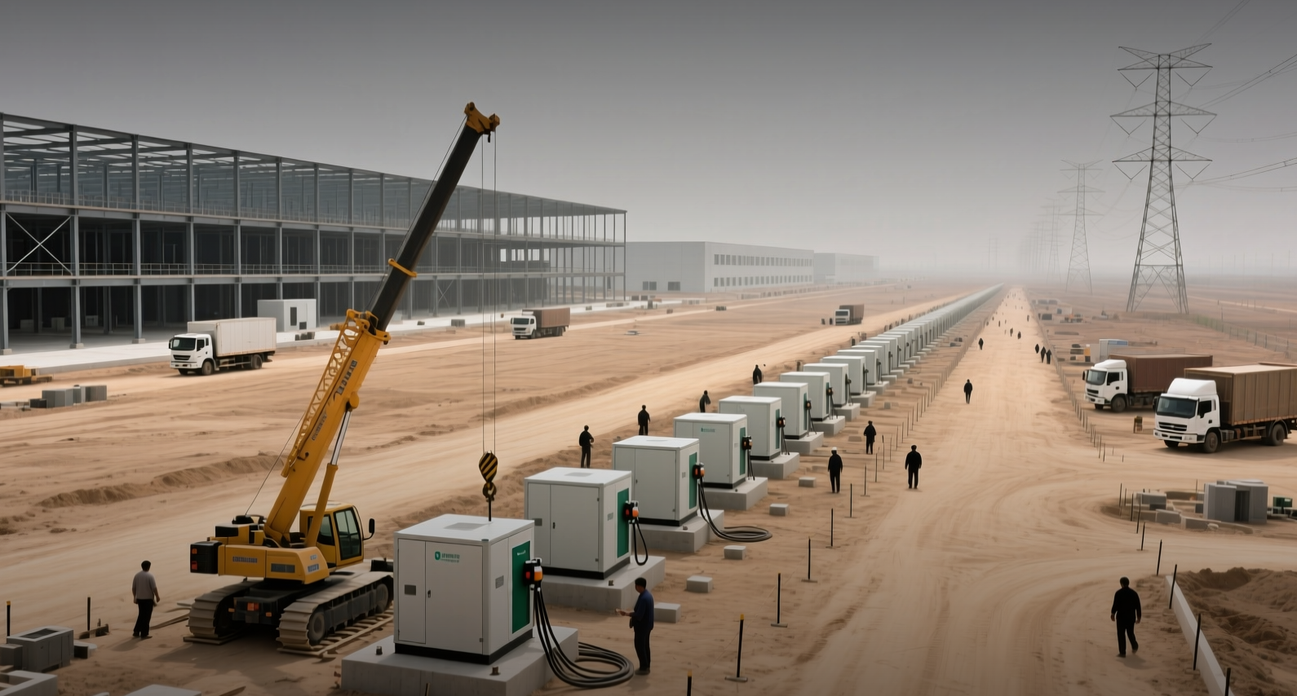
Bloom Energy's Power Connect system cuts onsite power installation time by more than 40 percent, giving AI data-center developers a faster route to electricity as grid interconnection queues stretch.
Bloom Energy's Power Connect cuts onsite power installation time by more than 40 percent, giving the fuel-cell maker a direct path to AI data-center electricity demand as grid upgrades lag behind computing growth.
All leading U.S. hyperscalers and more than a dozen neoclouds, AI laboratories and colocation operators have confirmed and approved Bloom Energy's solutions, according to management. The company's solid-oxide fuel cells let data-center developers begin operations without waiting years for major grid upgrades.
Revenues more than doubled year over year to $1.8 billion in the first half of 2026, with AI data centers a major growth driver. The company raised its 2026 revenue guidance to $3.9-$4.2 billion and expects a non-GAAP gross margin of approximately 34 percent. Power Connect is manufactured and assembled in the United States through Bloom Energy's domestic network.
The speed-to-power advantage matters because grid infrastructure is struggling to keep pace with AI computing's electricity appetite. Bloom Energy's onsite solutions help customers bypass grid bottlenecks, shorten interconnection timelines and reduce regulatory hurdles tied to conventional power projects. The company's deployment capabilities strengthen its appeal among data-center operators seeking reliable, rapidly available power.
Data-center developers face interconnection queues that can stretch for years, delaying projects and inflating costs. Power Connect's 40 percent reduction in installation time translates directly into faster time-to-revenue for operators. Bloom Energy's fuel cells generate electricity at the customer's facility, eliminating the need for new transmission lines or substation upgrades — a contrast with traditional power infrastructure where grid connection timelines can extend project schedules by multiple years.
The deployment system also reinforces Bloom Energy's domestic manufacturing footprint. Power Connect is built through the company's U.S. network, which management has highlighted as a differentiator for customers prioritizing supply-chain reliability and American-made equipment. As data-center operators face scrutiny over energy consumption and environmental impact, the ability to deploy clean power quickly at the point of use becomes a competitive advantage that extends beyond raw installation speed.
The rapid-deployment advantage extends across the clean energy sector. Plug Power and FuelCell Energy also benefit from fast installation of hydrogen and fuel-cell solutions for industrial and commercial clients. Quick installations help secure long-term contracts, accelerate market penetration and reduce time-to-revenues.
Bloom Energy's traction with hyperscalers, however, sets it apart. Approval from all leading U.S. hyperscalers and more than a dozen neoclouds, AI laboratories and colocation operators gives the company a customer base that Plug Power and FuelCell Energy have yet to match in the data-center segment. The scale of Bloom Energy's revenue growth — more than doubling to $1.8 billion in the first half of 2026 — reflects this customer concentration in the AI infrastructure buildout.
Bloom Energy shares, trading on the NYSE under the ticker BE, could see continued upside as AI data-center power demand remains a structural growth driver. The raised guidance of $3.9-$4.2 billion for 2026, combined with a 34 percent gross margin outlook, suggests the company is scaling profitably. The question for investors is whether the market has fully priced in the AI power opportunity or whether further upside exists as more data-center operators seek rapid power solutions. With grid interconnection timelines continuing to stretch and AI compute demand showing no signs of slowing, Bloom Energy's speed-to-power proposition could remain a central theme for the stock.
This article is for informational purposes only and does not constitute investment advice.
