
La fusée New Glenn de Blue Origin a explosé lors d'un essai statique à Cape Canaveral jeudi soir, le deuxième échec en six semaines pour la société spatiale de Jeff Bezos et l'une des plus grandes explosions de fusée de l'histoire américaine.
La fusée New Glenn de Blue Origin a explosé lors d'un essai statique à Cape Canaveral jeudi soir, le deuxième échec en six semaines pour la société spatiale de Jeff Bezos et l'une des plus grandes explosions de fusée de l'histoire américaine.
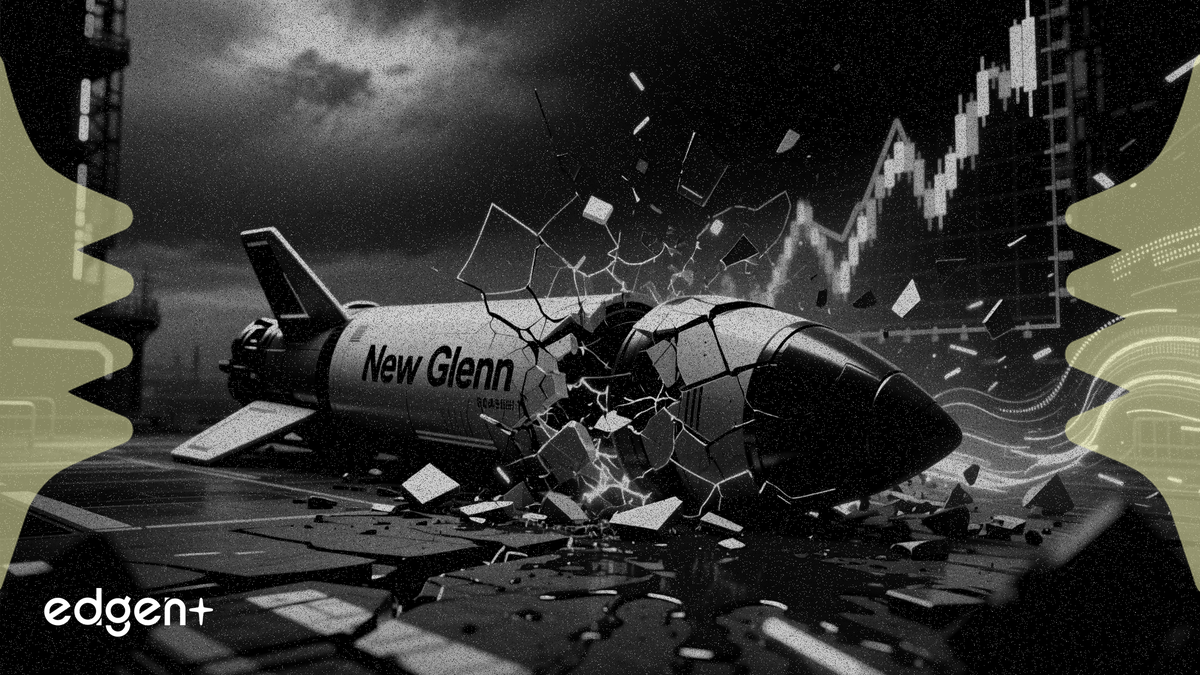
La fusée New Glenn de Blue Origin a explosé lors d'un essai statique à la base de Cape Canaveral jeudi soir, détruisant le véhicule sur son unique pas de tir, quelques jours seulement après que la Federal Aviation Administration (FAA) l'ait autorisée à voler suite à un précédent échec.
« Nous avons rencontré une anomalie lors de l'essai à chaud d'aujourd'hui. Tout le personnel a été localisé et est sain et sauf », a déclaré Blue Origin dans un communiqué publié sur X. L'explosion s'est produite vers 21 heures ET au Space Launch Complex 36, le seul pas de tir équipé pour les missions New Glenn. Jeff Bezos, le fondateur de l'entreprise, a indiqué qu'il était « trop tôt pour connaître la cause première » mais s'est engagé à « reconstruire ce qui doit l'être et reprendre les vols ».
La fusée était préparée pour sa quatrième mission, NG-4, qui devait initialement décoller dès le 4 juin pour transporter 48 satellites pour le service internet Leo d'Amazon.com Inc., un concurrent de Starlink de SpaceX. Amazon a confirmé qu'aucun satellite n'était à bord lors de l'essai. L'explosion constitue le deuxième échec majeur pour New Glenn en moins de deux mois, après la mission NG-3 du 19 avril, où une fuite cryogénique a gelé une conduite hydraulique dans l'étage supérieur, provoquant la sous-performance de l'un des moteurs BE-3U et l'incapacité à placer sa charge utile AST SpaceMobile sur l'orbite prévue.
La FAA, qui avait cloué au sol New Glenn après l'incident d'avril et n'avait accepté les mesures correctives de Blue Origin que le 22 mai, a déclaré que l'essai de jeudi « ne relevait pas du cadre des activités autorisées par la FAA » et qu'il n'y avait eu aucun impact sur le trafic aérien. L'enquête de l'agence sur l'échec d'avril a identifié la cause première comme étant une fuite cryogénique ayant gelé une conduite hydraulique, entraînant une anomalie de poussée lors de la combustion du moteur du deuxième étage. Blue Origin a mis en œuvre neuf mesures correctives avant que la FAA n'autorise la fusée à voler à nouveau.
Un coup dur pour le programme Artemis de la NASA et le projet Leo d'Amazon
L'explosion représente le pire échec de l'histoire de Blue Origin et menace de faire dérailler un programme de lancements ambitieux pour 2026 qui comprenait jusqu'à 12 missions New Glenn. L'entreprise est un sous-traitant clé du programme lunaire Artemis de la NASA, avec un atterrisseur Blue Moon devant être lancé sur New Glenn dans le cadre de la mission Artemis III l'année prochaine. Jared Isaacman, administrateur de la NASA, a déclaré que l'agence « travaillera avec nos partenaires pour soutenir une enquête approfondie sur cette anomalie, évaluer les impacts sur les missions à court terme et reprendre les lancements ».
Amazon avait positionné New Glenn comme l'épine dorsale de sa constellation de satellites internet Leo, contractant 24 lancements pour déployer des milliers de satellites à large bande. La perte de la fusée sur le pas de tir — l'une des plus grandes explosions de fusée américaines par son ampleur, étant donné que le véhicule était entièrement ravitaillé pour l'essai statique — entraînera probablement une immobilisation prolongée pendant que Blue Origin enquêtera sur la cause première et mettra en œuvre des mesures correctives.
Le Space Launch Delta 45 a confirmé que les équipes d'urgence étaient sur place et que tout le personnel avait été localisé, sans blessé ni mort. L'Eastern Range continue de soutenir les opérations sur d'autres complexes de lancement. Elon Musk, fondateur du concurrent SpaceX, a écrit sur X : « Très malheureux. Les fusées, c'est difficile. J'espère que vous récupérerez rapidement. »
Le calendrier du retour en vol de New Glenn reste incertain. Blue Origin prévoyait de réutiliser le booster de NG-3, qui avait atterri avec succès sur un drone ship lors de la mission d'avril, pour un futur vol. Le PDG de l'entreprise, Dave Limp, avait publié une vidéo de la fusée NG-4 en cours de déplacement vers le pas de tir sur le transporter-erector quelques jours seulement avant l'explosion, indiquant que la prochaine étape était l'essai à chaud intégré.
Cet article est fourni à titre d'information uniquement et ne constitue pas un conseil en investissement.
