

- バンク・オブ・アメリカのマイケル・ハートネット氏は、同行の「強気・弱気指標」が「売り」シグナルである8.0に近い7.6に達したため、6月初旬に利益確定することを推奨しています。
- この警告は、4月のCPIが3.8%となるなど過熱するインフレデータに裏打ちされており、11月までに5%を超える可能性があると予測されています。
- 半導体SOX指数は200日移動平均線を62%上回って推移しており、ハートネット氏はこの乖離を歴史的な市場バブルと比較しています。
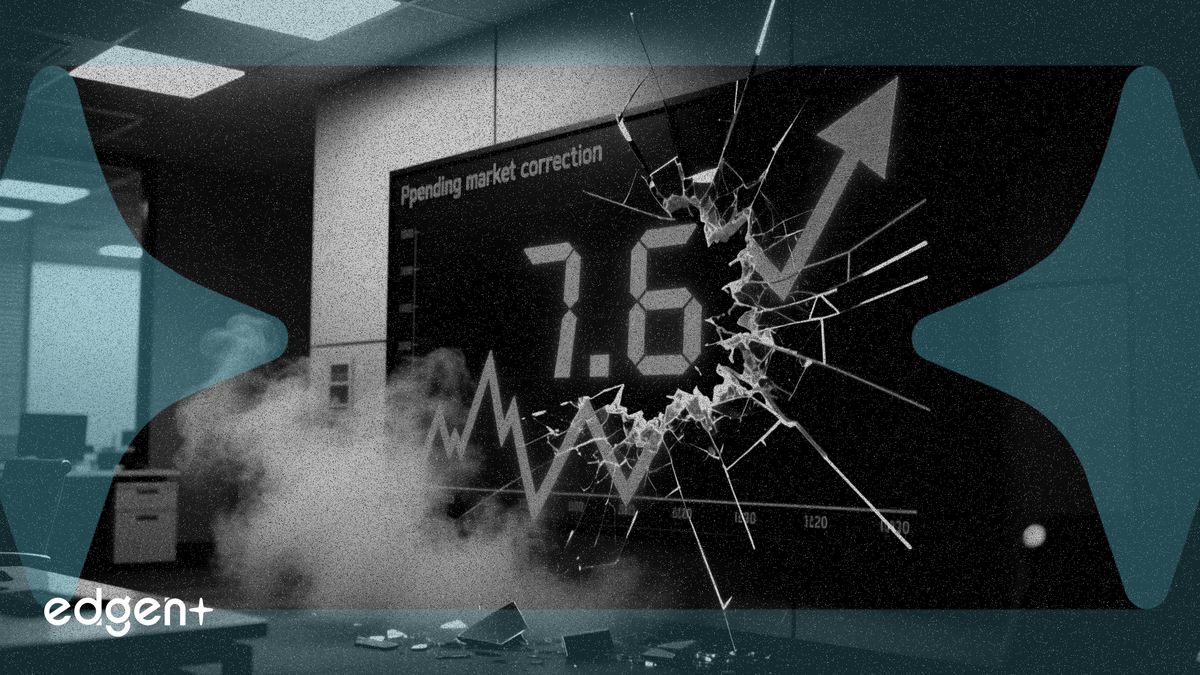
バンク・オブ・アメリカのチーフ・投資ストラテジストは、インフレリスクの高まりと強気センチメントの極端な過熱により、利益確定の好機は6月初旬であると警告しています。
バンク・オブ・アメリカのチーフ・投資ストラテジスト、マイケル・ハートネット氏は、主要な指標が警告を発していることから、市場の反落に備えるよう投資家にアドバイスしており、6月初旬が利益確定の絶好の機会であると示唆しています。同行独自の「強気・弱気指標(Bull & Bear Indicator)」は7.6まで上昇し、公式な「売りシグナル」とされる8.0の水準に迫っています。
ハートネット氏は週刊レポート「Flow Show」の中で、「株式、特にテック株への強気派の殺到は今後数週間で完全に完了する可能性があり、6月初旬はポジションを減らすのに適切な時期だ」と述べています。同氏は、OPEC会合、G7サミット、そしてケビン・ウォーシュ氏が議長を務める初のFOMCなど、6月の過密なスケジュールが、慎重姿勢への転換の引き金になる可能性があると指摘しました。
この警告を裏付けているのは、エコノミストを驚かせた根強いインフレデータです。4月の米生産者物価指数(PPI)は前年比6.0%上昇と2022年以来の速い伸びを記録し、消費者物価指数(CPI)も予想を上回る3.8%となりました。ハートネット氏のチームの試算によれば、最近の月次0.4%のCPI上昇が続けば、11月の中間選挙前に総合指数が5%を超える可能性があり、10年債利回りがすでに4.5%を超えている中で、株式市場に大きな圧力をかけることになります。
ハートネット氏は、CPIが4%を超える領域を、リスク資産が揺らぎ始める「ドラゴンの領域」と定義しています。100年にわたる市場の歴史を引用し、インフレがその基準を超えると、S&P 500は歴史的にその後3ヶ月間で平均4%、6ヶ月間で7%下落したと指摘しました。
極端なポジショニングとバリュエーション指標が、ハートネット氏の慎重な論理の中核にあります。総額4.5兆ドルの資産を管理する同行のプライベートクライアントは、株式への配分を過去最高の65.7%に引き上げる一方、現金比率を過去最低の9.8%まで削減しました。
この楽観論はテックセクター、特に半導体において顕著です。フィラデルフィア半導体指数(SOX)は現在、200日移動平均線を驚異的な62%も上回る水準で取引されています。ハートネット氏はこの乖離を歴史的な文脈に当てはめ、ミシシッピ計画のバブルやドットコムバブルと比較し、それらの歴史的な熱狂期における平均的なピーク乖離率はわずか35%であったと指摘しました。
最近のファンドフローデータは、より複雑な状況を示しています。株式市場には、米国大型株への244億ドルの配分を主導として205億ドルの力強い流入が見られましたが、投資家は債券にも281億ドルを投じました。投資適格債は過去4週間で422億ドルを引き付けており、これは2026年3月以来の最大規模の流入です。
一方で、よりリスクの高い資産からは資金が流出しています。暗号資産(仮想通貨)は、2026年2月以来となる単週で過去最大の13億ドルの流出を記録しました。伝統的な安全資産である金には20億ドルの流入がありました。株式と債券への同時需要と暗号資産からの撤退は、表面的な楽観論は依然として高いものの、一部の投資家が潜在的な景気後退に備えてヘッジを始めていることを示唆しています。
この記事は情報提供のみを目的としており、投資勧誘を目的としたものではありません。
