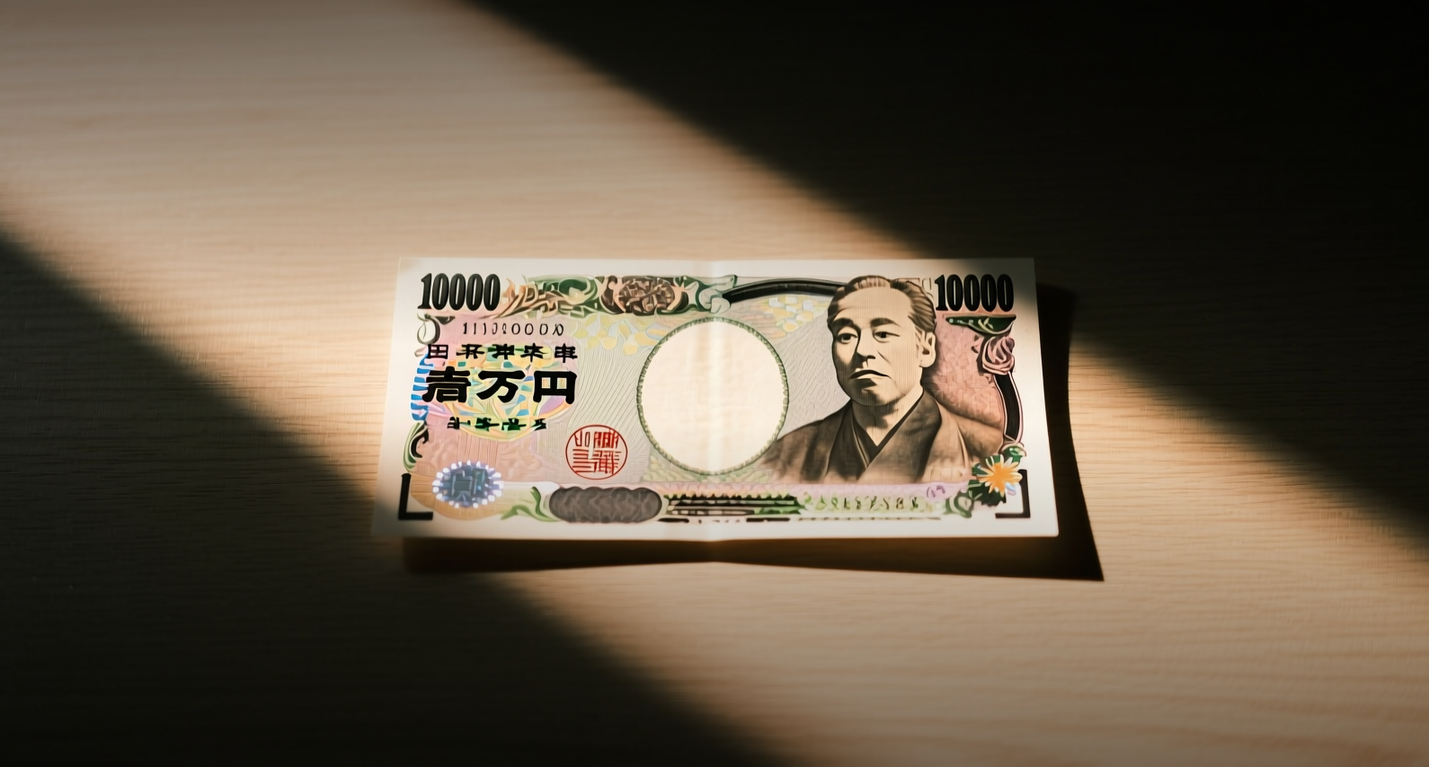
Bank of Japan officials are pushing for regular interest-rate increases that could lift the policy rate to around 2%, a level some board members view as neutral for the economy, the summary of the central bank's June meeting shows.
The Bank of Japan raised its policy rate to 1% on June 16, the highest since September 1995, in a 7-1 vote. The decision reflected growing concern that Middle East conflict-driven energy costs could push underlying inflation persistently above the central bank's 2% target.
"Unlike in the United States and Europe, Japan's policy interest rate remains below the estimated range of the neutral interest rate. It is necessary to bring the policy rate closer to the neutral rate as soon as possible," one board member was quoted as saying in the summary released Wednesday.
Another member estimated Japan's neutral rate at around 2% and argued the BOJ should reach that level by hiking at a pace of once every few months, according to the document, which does not identify individual speakers.
The 10-year Japanese government bond yield rose 1.5 basis points to 2.660% on Monday as the hawkish signals reinforced expectations of further tightening. The yen strengthened against the dollar, extending gains from last week's post-decision rally.
Deputy Governor Shinichi Uchida reaffirmed the bank's tightening stance at the post-meeting press conference, warning that war-induced inflationary pressures may not prove temporary. "Even if crude oil prices decline in the future, it is highly possible that the upward deviation in prices will start to spread across a wider range of items," one board member said.
The hawkish tone was not unanimous. Board member Toichiro Asada, a former professor considered the most dovish on the panel, voted against the increase, arguing that higher rates could suppress corporate investment and trigger declines in production and employment.
Rate path and market pricing
The BOJ has now raised rates three times since ending its negative-rate policy in March 2024, moving from minus 0.1% to 1% in just over two years. The previous hike to 0.75% came in December 2025.
A Reuters poll conducted before the June meeting found 53 of 67 economists expect the rate to reach 1.25% by year-end. Overnight index swaps are pricing a greater than 70% probability of a move to at least 1.25% at the October meeting, with some chance of a July action.
The last time the BOJ raised rates by 25 basis points in a single meeting was December 2025. At that time, the yen strengthened roughly 2% against the dollar in the following two weeks, while the Nikkei 225 fell about 3% as carry trade positions were adjusted.
Cross-asset implications
Higher Japanese rates carry consequences beyond Japan's borders. The yen carry trade — in which investors borrow cheaply in yen to invest in higher-yielding assets abroad — has been a structural feature of global markets for years. A sustained BOJ tightening cycle strengthens the yen and compresses the profitability of those trades.
In August 2024, a smaller-than-expected BOJ adjustment triggered a sharp unwinding of carry trades that sent the Nikkei down more than 12% in a single week and rippled through global equity and crypto markets. With the policy rate now at 1% and heading higher, the risk of a similar dislocation increases with each hike.
The next scheduled BOJ policy meeting is July 30-31. Markets will watch for updated inflation forecasts and any signal on the pace of normalization.
This article is for informational purposes only and does not constitute investment advice.