
ABD-İran barış anlaşmasına yönelik umutların artması ve yatırımcıların Hürmüz Boğazı'nın yeniden açılma ihtimaline odaklanmasıyla petrol fiyatları üç haftanın en düşük seviyesine geriledi.
ABD-İran barış anlaşmasına yönelik umutların artması ve yatırımcıların Hürmüz Boğazı'nın yeniden açılma ihtimaline odaklanmasıyla petrol fiyatları üç haftanın en düşük seviyesine geriledi.
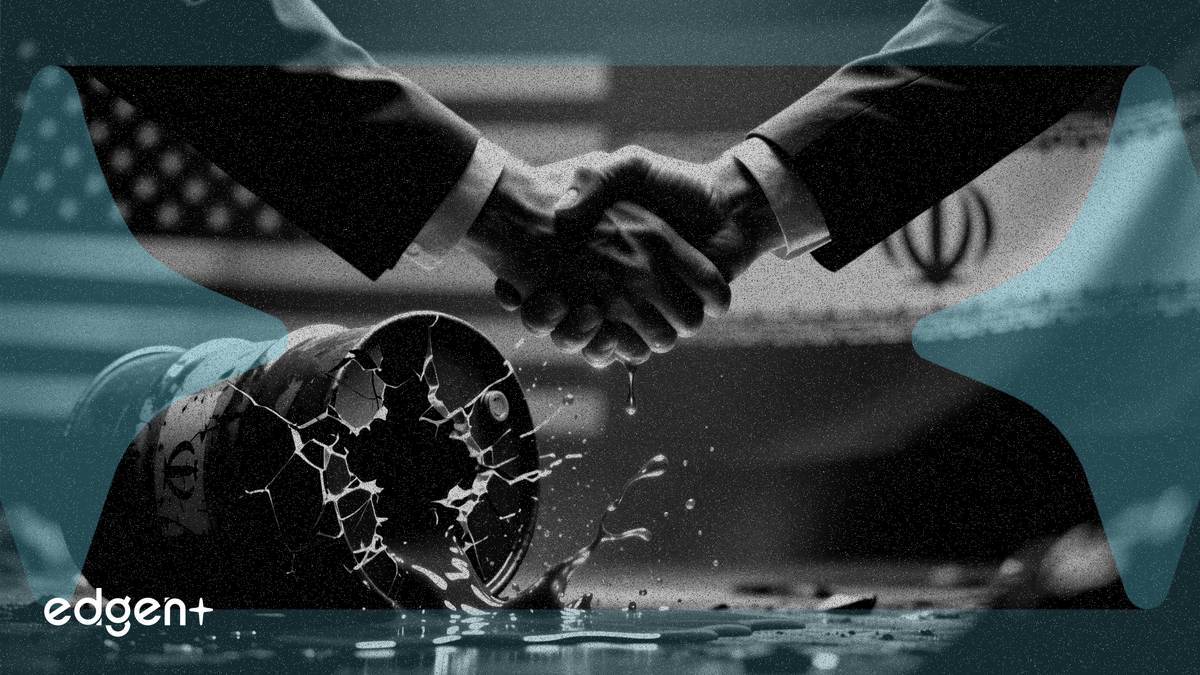
ABD-İran barış anlaşmasına yönelik umutların artması ve yatırımcıların Hürmüz Boğazı'nın yeniden açılma ihtimaline odaklanmasıyla petrol fiyatları üç haftanın en düşük seviyesine geriledi.
Amerika Birleşik Devletleri ve İran'ın çatışmayı sona erdirmek için geçici bir anlaşmaya yaklaşmasıyla petrol fiyatları Perşembe günü düşüşünü sürdürdü ve Brent petrolün varili 101 doların altına indi. Uluslararası gösterge Brent petrol %0,3 düşüşle 100,95 dolara gerileyerek 21 Nisan'dan bu yana en düşük kapanışını gerçekleştirirken, Batı Teksas Intermediate (WTI) petrolü, bir anlaşmanın İran petrolünün piyasaya geri dönmesini ve hayati öneme sahip Hürmüz Boğazı'nın yeniden açılmasını sağlayacağı umuduyla %0,5 düşüşle 94,61 dolara geriledi.
Başkan Donald Trump Çarşamba günü gazetecilere verdiği demeçte, "Son 24 saat içinde çok iyi görüşmeler yaptık ve bir anlaşma yapmamız çok muhtemel," diyerek piyasa iyimserliğini körükledi. İran Dışişleri Bakanlığı sözcüsü İsmail Baghaei, teklifin "inceleme aşamasında" olduğunu ve Tahran'ın tutumunu Pakistanlı arabuluculara ileteceğini doğruladı.
Diplomatik atılım beklentisi küresel piyasalarda dalgalanmalara neden oldu. Petrol fiyatları Çarşamba günü son iki haftanın en büyük düşüşünü yaşadı; Brent bir ara %11 değer kaybederek varil başına 98 dolar civarına kadar geriledikten sonra toparlandı. Buna karşılık, yatırımcıların tedarik zinciri kesintilerinin hafiflemesini ve geçen hafta ABD benzin fiyatlarında 31 sentlik artışa neden olan enerji maliyetlerinin düşmesini fiyatlamasıyla küresel hisse senedi fiyatları sıçradı.
Masadaki konu, 28 Şubat'ta başlayan savaşın olası sonu ve dünya petrol arzının beşte birinin geçtiği boğazın yeniden açılmasıdır. Müzakerelere yakın kaynaklara göre taslak, çatışmayı resmen sona erdirmek için bir sayfalık bir mutabakat zaptını içeriyor ve bu da yaptırımların kaldırılması, varlıkların dondurulmasının çözülmesi ve Hürmüz Boğazı krizinin giderilmesi üzerine detaylı müzakereler için 30 günlük bir pencere açıyor.
Bölgesel kaynaklara göre, ABD elçisi Steve Witkoff ve Başkan Trump'ın damadı Jared Kushner liderliğindeki arabulucular, çatışmaları durdurmak için kısa vadeli bir mutabakat üzerinde çalışıyor. Planın üç aşamada gerçekleşeceği bildiriliyor: savaşın resmen sona ermesi, Hürmüz krizinin çözülmesi ve daha geniş bir anlaşma için 30 günlük bir müzakere sürecinin başlatılması.
Diplomatik hamle, Trump'ın görüşmelerdeki ilerlemeyi gerekçe göstererek gemilere boğazdan geçerken eşlik eden bir deniz misyonu olan "Özgürlük Projesi"ni askıya aldığını duyurmasının ardından ivme kazandı. Ancak İranlı yetkililer şüphelerini dile getirdi. Meclis Başkanı Mohammad Baqer Qalibaf, sosyal medyada bu raporlarla alay ederek bunların ABD'nin manipülasyonu olduğunu ima ederken, milletvekili Ebrahim Rezaei teklifi "gerçeklikten ziyade bir Amerikan istek listesi" olarak nitelendirdi.
İyimserliğe rağmen, özellikle İran'ın nükleer programıyla ilgili önemli engeller varlığını koruyor. Mevcut teklifin, İran'ın 400 kg'dan fazla yüksek düzeyde zenginleştirilmiş uranyum stokunun akıbeti ve uranyum zenginleştirmeye yönelik önerilen moratoryumun süresi dahil olmak üzere temel ABD taleplerini çözümsüz bıraktığı bildiriliyor.
ABD'nin 20 yıllık zenginleştirme moratoryumu yönündeki önceki teklifi reddedilmişti ve mevcut planın 10 yıldan uzun bir süreyi kapsadığı söyleniyor. Zenginleştirilmiş uranyumun ülke dışına çıkarılması yönündeki temel ABD talebi, önceki görüşmelerin tıkanmasında bir etkendi ve hala ana anlaşmazlık noktası olmaya devam ediyor. Mevcut mutabakat bu konularda acil tavizler gerektirmese de, bu konular ardından gelecek 30 günlük müzakere sürecinin merkezinde yer alacaktır.
Bu makale sadece bilgilendirme amaçlıdır ve yatırım tavsiyesi teşkil etmez.

