
主な要点:
- カナダ連邦政府は、金融詐欺やマネーロンダリングの主要な道具になっているとして、すべての暗号資産ATMを禁止する方針です。
- この禁止措置は約4,000台を対象としており、カナダは人口あたりの暗号資産ATM設置台数が世界で最も多い国です。
- この動きは、英国、オーストラリア、ニュージーランドにおける同様の規制に続くもので、これらの機器に対する世界的な規制の協調的な変化を反映しています。
主な要点:
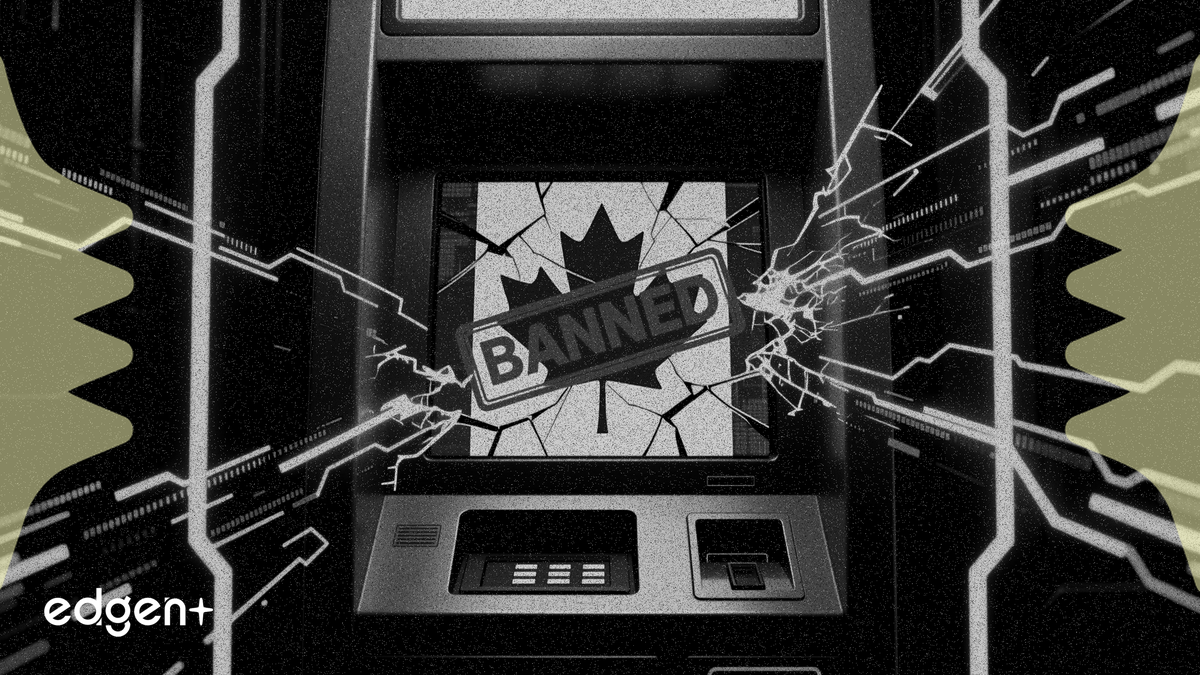
カナダ政府は、2026年春の経済更新において、国内にある約4,000台の暗号資産ATMを詐欺やマネーロンダリングの主要な経路と断定し、全国的に禁止する計画を立てています。
連邦当局は「詐欺師たちは、詐欺被害者から迅速かつほとんど跡を残さずに資金を引き出すためにこれらの機械を利用している」と報告し、暗号資産ATMが盗まれた資金を伝統的な銀行システムの外部へ移動させるための主要なツールの1つであると指摘しました。また、カナダ金融取引・報告分析センター(FINTRAC)の別の分析でも、これらのキオスクが不法送金の主要なチャネルであることが特定されました。
この禁止措置は、規制当局が詐欺ネットワークによって大幅に悪用されていると指摘する「現金から暗号資産への換金」ポイントを具体的に標的にしています。カナダの人口あたりの暗号資産ATM密度は世界最高です。規制当局にとっての核心的な問題は取引速度であり、これにより取り消し可能な銀行振込と比較して、資金の回収がほぼ不可能になっています。
この禁止措置は、ライセンスを受けたオンラインプラットフォームを通じたデジタル資産の保有や取引には影響しません。現在の焦点は導入スケジュールに移っており、2026年後半に予定されている最終規則によって、事業者が即時閉鎖に追い込まれるのか、あるいは段階的な廃止期間が設けられるのかが決定されます。
カナダの決定は、より広範な国際的トレンドに沿ったものです。英国、ニュージーランド、オーストラリアの規制当局は、暗号資産ATMを金融の利便性ではなく、システム的な詐欺リスクとして扱い、すでに大幅な制限や全面的な禁止を導入しています。4つの主要経済国によるこの協調的な行動は、規制当局が現金から暗号資産へのインフラをどのように見ているかについての世界的な変化を反映しています。
焦点は、絶対数で世界最大の暗号資産ATM設置台数を誇る米国に移っています。もし米国の規制当局がカナダの例に倣えば、世界の暗号資産ATM業界への影響は、カナダの4,000台の撤去をはるかに上回るものになるでしょう。カナダのユーザーにとってメッセージは明確です。ATMを介した現金ベースの暗号資産へのアクセスは終わりを迎え、活動はより規制され追跡可能なチャネルへと移行することになります。
本記事は情報提供のみを目的としており、投資助言を構成するものではありません。
