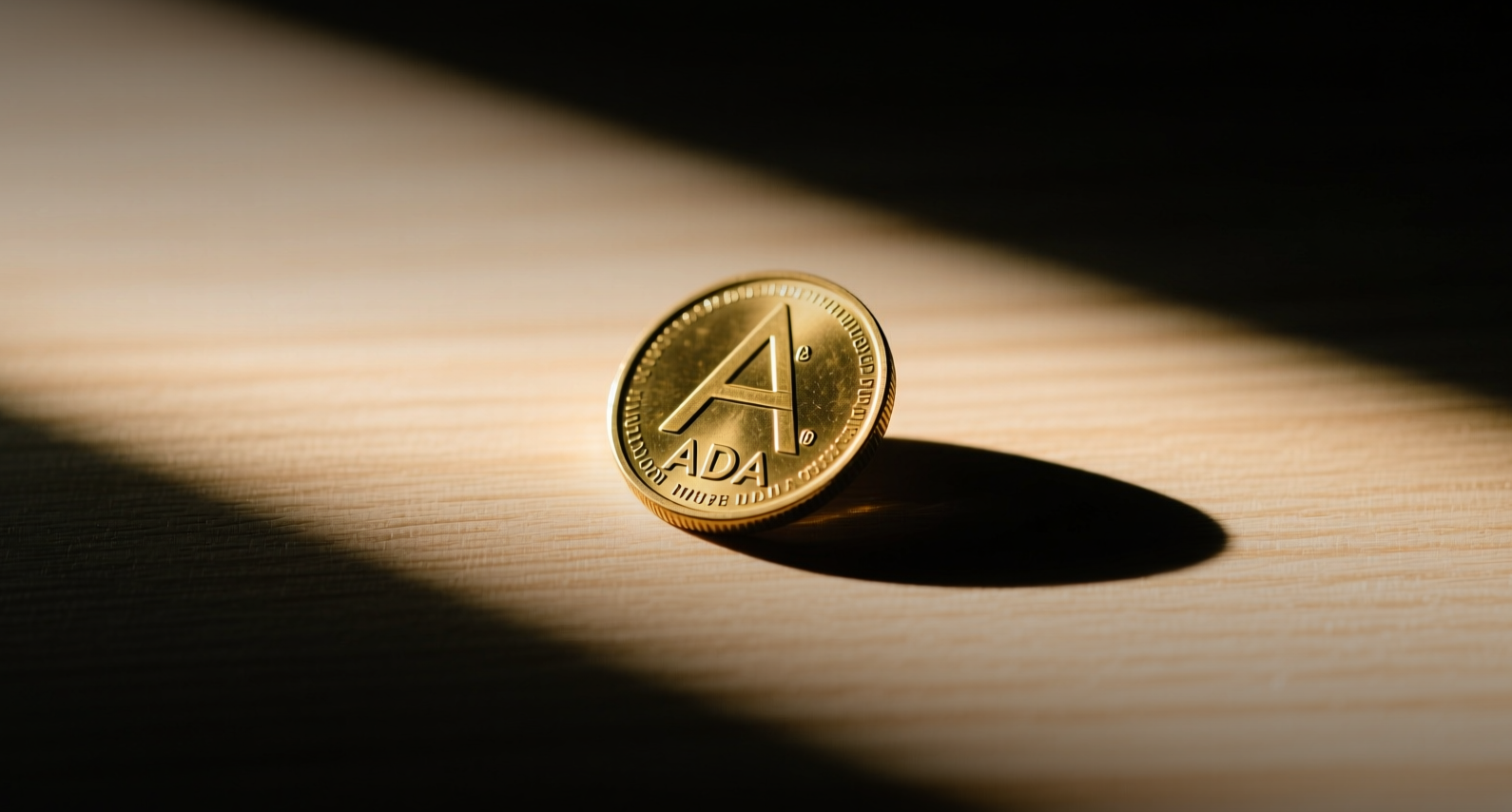
Cardano's Ouroboros Leios testnet goes live June 23, targeting a 100x throughput increase to over 1,000 TPS, while ADA trades near $0.16 — 94% below its all-time high.
Cardano will launch the Musashi Dojo public testnet on June 23, marking the first phase of a multi-stage testing program for the Ouroboros Leios scaling upgrade, Carlos López de Lara, product manager at Input Output Global, said in an interview on BLOCK//45, a new editorial series from the company that built Cardano. The upgrade is designed to boost transaction throughput from roughly 10 TPS to over 1,000 TPS, a 33-fold increase that would allow the network to process approximately 27 million transactions per month, up from the current 800,000.
The testnet will run through five structured stages — Earth, Water, Fire, Wind and Void — spanning protocol validation, parameter tuning, real-world performance testing and adversarial stress scenarios, according to López de Lara. The Leios codebase has surpassed 705,000 lines of code, reflecting the scale of the engineering effort. A mainnet deployment is targeted for the end of 2026, with developers and stake pool operators encouraged to participate early to help refine the system under live conditions.
The technical milestone arrives as ADA trades at roughly $0.16, down 35% over the past 30 days and more than 54% since the start of the year, according to CoinGecko. The token briefly touched a five-year low of $0.148 on June 18, with daily trading volume collapsing from $6.3 billion to around $500 million. The relative strength index stands at 31.2, indicating deeply oversold conditions. Technical analysts warn that a weekly close below $0.13 could open the door to further losses toward $0.10.
Leios and the Scaling Imperative
Leios is an overlay protocol that works alongside Cardano's existing Praos consensus mechanism, introducing larger endorser blocks during periods of high demand while maintaining the network's security model, López de Lara said. The upgrade is a key component of Cardano's long-term roadmap and will support ecosystem growth as treasury resources diminish over time, he added.
The same day as the testnet launch, the Cardano community is set to vote on the "van Rossem" hard fork, which would rewire how core projects are funded. If approved, the fork goes live five days later. The governance vote follows a contentious episode in which a proposal seeking 7.8 million ADA to finance a Cardano Foundation summit in Singapore was voted down, prompting the foundation to cancel the 2026 event.
Institutional Signals and On-Chain Activity
Despite the price pressure, some on-chain metrics show pockets of growth. Stablecoin market volume on Cardano jumped 61% in a week to nearly $55 million, and total value locked recently hit a 13-month high, according to DefiLlama. Germany's DZ Bank, which manages a balance sheet of €1.2 trillion, is planning to offer Cardano trading services pending regulatory approval — a potential institutional endorsement for the network.
Charles Hoskinson, Cardano's founder, has outlined a structural plan to restore the network's competitive position, including governance reform through DRep voting blocs, a three-layer funding model for ecosystem projects, and commercial growth drivers anchored on Leios and Midnight, Cardano's privacy sidechain scheduled for mainnet launch in 2026.
The convergence of the Leios testnet launch, a governance hard fork, and the US Federal Reserve's bank stress test results on June 24 leaves little margin for error. Cardano's immediate trajectory hinges on whether the technological catalyst can outweigh the selling pressure that has pushed ADA to multi-year lows.
This article is for informational purposes only and does not constitute investment advice.