

Carlyle, JPMorgan and Andreessen Horowitz co-led a more than $1 billion round that values hypersonics maker Castelion at $13 billion.
Carlyle, JPMorgan and Andreessen Horowitz co-led a more than $1 billion round that values hypersonics maker Castelion at $13 billion.
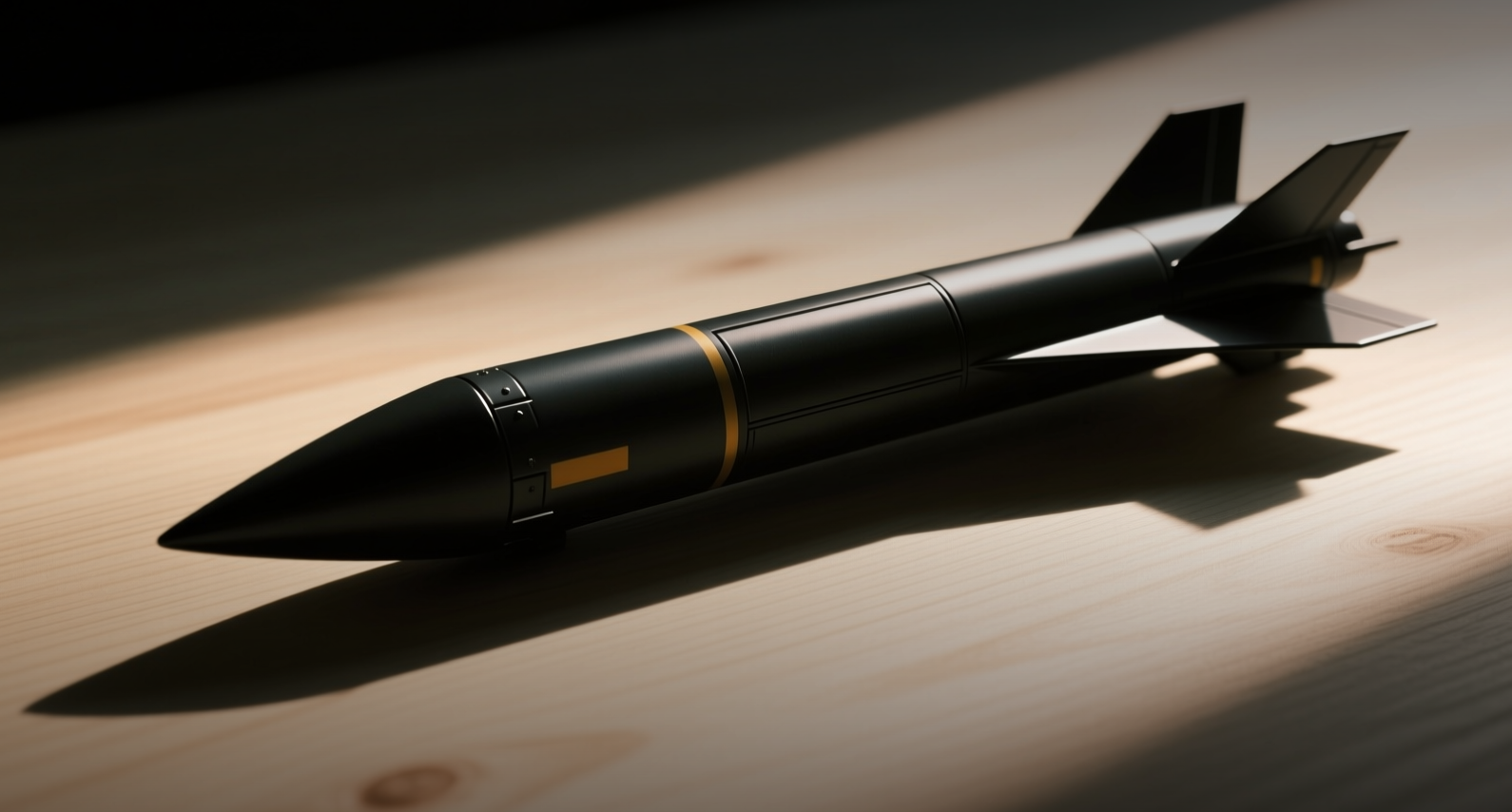
Carlyle Group joined a more than $1 billion funding round in hypersonic munitions startup Castelion, valuing the California company at $13 billion as blue-chip investors crowd into a fast-growing corner of the defense industry.
Castelion said it will use the new capital to boost planned production of its Blackbeard hypersonic missile, with the funds also earmarked for development of a larger hypersonic strike weapon and a mass-produced air-defense missile, the company said in a statement.
The round was co-led by Carlyle, JPMorgan Chase and Andreessen Horowitz, ranking among the largest private financings in the defense-technology sector. Carlyle shares rose 2.13 percent on the news, closing higher as investors welcomed the firm's push into defense.
The deal shows how mainstream financial institutions now treat defense technology as an investable asset class, a shift that could lift valuations across publicly traded defense contractors and defense-focused exchange-traded funds as governments boost munitions spending.
A $13 billion bet on hypersonics
Castelion's Blackbeard missile is designed to travel at hypersonic speeds, a capability militaries are racing to field because such weapons can evade existing air-defense systems. The fresh capital will fund scaled-up production of Blackbeard while supporting development of a larger hypersonic strike weapon and a mass-produced air-defense missile, broadening the company's product line beyond a single platform.
The $13 billion valuation places Castelion among the most valuable private defense startups, a segment drawing increased attention from venture and private-equity investors. The participation of Carlyle and JPMorgan, alongside venture firm Andreessen Horowitz, shows institutional capital is willing to back munitions makers at scale, a category long dominated by a handful of large public contractors.
Hypersonics has become a focal point of defense spending as the U.S., China and Russia compete to field weapons that travel at more than five times the speed of sound. Castelion's focus on mass production of relatively low-cost munitions sets it apart from contractors that build expensive, low-volume systems, a strategy that has attracted investors betting on a shift toward volume in missile manufacturing.
Defense tech enters the mainstream
The funding round reflects a broader re-rating of defense technology as governments in the U.S. and Europe raise military budgets in response to geopolitical tensions. Publicly traded defense contractors and defense-focused ETFs have benefited from the spending push, and the Castelion round suggests private investors expect the trend to persist.
For Carlyle, the investment extends its exposure to a sector where deal flow has accelerated. The firm's shares gained 2.13 percent on the day the round was announced, a move that suggests investors view the defense push as value-accretive.
The influx of private capital into munitions makers comes as defense-focused funds and ETFs have drawn steady inflows, with investors seeking exposure to a sector whose budgets are tied to multi-year government commitments rather than quarterly consumer demand. That durability has made defense one of the more resilient corners of the equity market, and the Castelion round suggests private investors are applying the same logic to earlier-stage companies.
The scale of the round also raises the bar for rival defense startups seeking capital, as investors benchmark new deals against Castelion's $13 billion valuation. Larger funding rounds give private munitions makers the balance sheet to compete with established contractors on production capacity, potentially reshaping a supply chain that has historically favored incumbents.
Castelion did not disclose a timeline for the new production capacity or the development of its larger hypersonic weapon. The company said the funds would support both programs as it scales output of Blackbeard, with the air-defense missile and larger strike weapon expected to follow in subsequent phases. If the company meets its production targets, it could emerge as a meaningful supplier to militaries seeking to replenish munitions stockpiles drawn down in recent conflicts.
This article is for informational purposes only and does not constitute investment advice.
