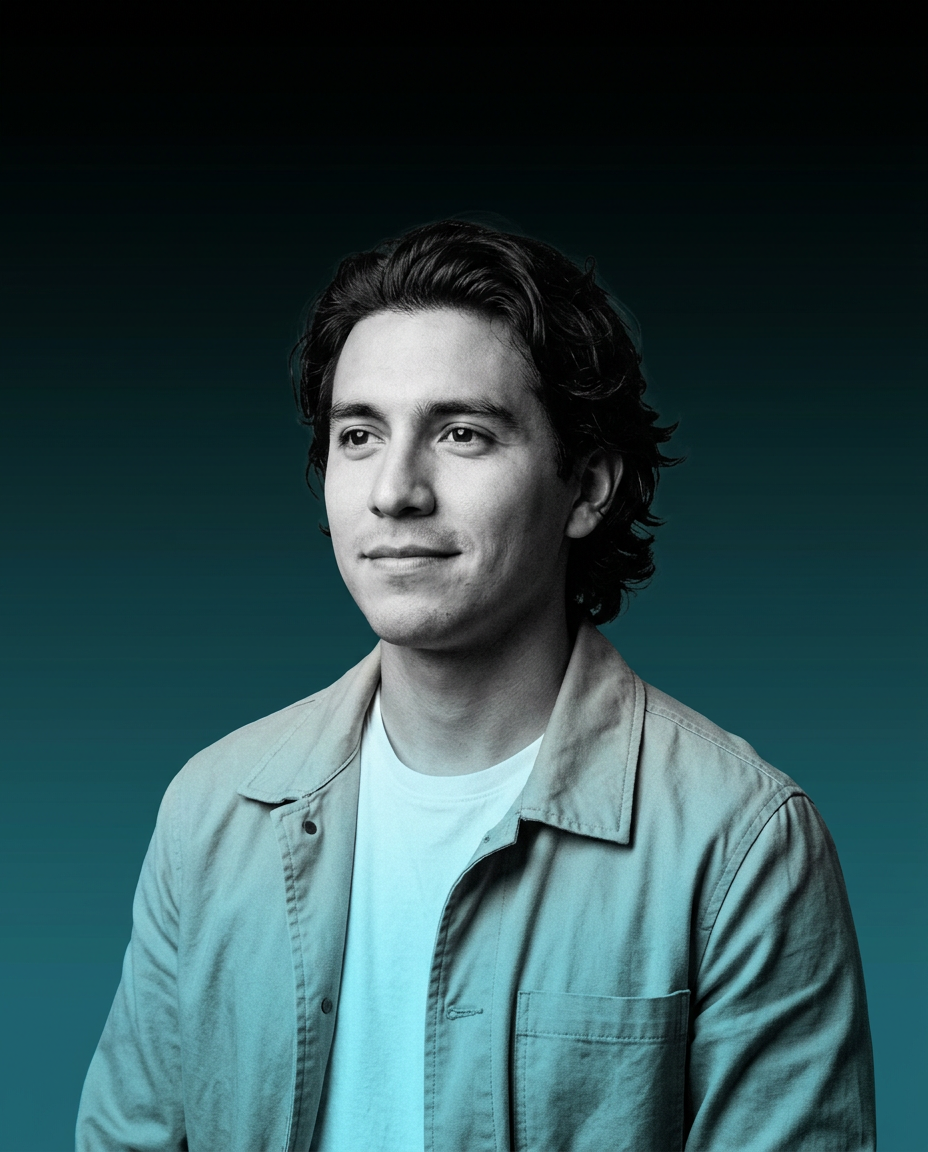

**Robin Zeng, founder of the world's largest battery maker, pushed back against fears that artificial intelligence will trigger an energy crisis.
**Robin Zeng, founder of the world's largest battery maker, pushed back against fears that artificial intelligence will trigger an energy crisis.
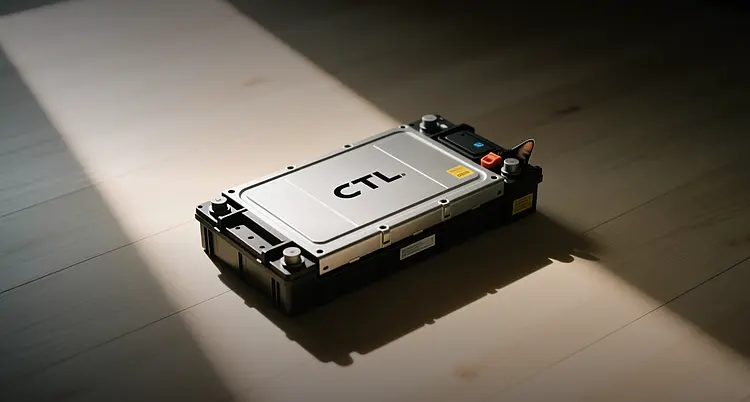
Robin Zeng, founder of the world's largest battery maker, pushed back against fears that artificial intelligence will trigger an energy crisis.
The electricity required by AI data centers may be far lower than widely assumed, and China has the capacity to meet new mandates requiring 80% renewable energy for those facilities, according to CATL's founder.
"The power required by AI data centers may not actually be as high as imagined," Robin Zeng, founder and chairman of CATL, said at the World Economic Forum's Summer Davos in Dalian on June 23.
Even in countries with the highest power consumption globally, the share consumed by data centers remains relatively small, Zeng said. New policies require data centers to source 80% of their power from renewables, a target he called achievable given China's manufacturing scale. To ensure clean energy supply, large-scale energy storage systems must be deployed at sufficient capacity and at costs below those of traditional energy sources, he added.
The comments from the chairman of Contemporary Amperex Technology Co., which trades on the Hong Kong exchange under ticker 03750.HK, challenge a prevailing narrative that AI's energy demands will overwhelm power grids. CATL, which saw its stock rise 2.5% on June 24 with short selling volume of $400.8 million representing 26.4% of turnover, stands to benefit directly from increased energy storage deployment tied to data center buildout.
Zeng also suggested that many electric vehicles in China could be repurposed as computing infrastructure for AI token production, using their onboard batteries and AI chips — a concept that would blur the line between the EV fleet and data center capacity. The idea positions CATL not just as a battery supplier but as a potential bridge between the energy storage and AI computing sectors, putting it in competition with traditional data center operators and chipmakers such as Nvidia.
The 80% renewable energy mandate for new data centers represents a significant shift in China's approach to AI infrastructure. Traditional data centers have relied heavily on coal-fired power, but the new requirement would force operators to pair renewable generation with battery storage to ensure round-the-clock availability. CATL, as the world's largest battery manufacturer, is well-positioned to supply the storage systems needed to meet that requirement, potentially competing with Tesla's Megapack and BYD's energy storage divisions.
For investors, the key question is whether Zeng's tempered view on AI power demand moderates expectations for energy infrastructure spending or, conversely, highlights the scale of storage deployment still needed. If data center power demand grows more slowly than projected, the immediate pressure on utilities and grid operators eases. But the 80% renewable mandate still creates a structural demand driver for battery storage, regardless of the absolute power consumption level. CATL shares, up 2.5% on the day, suggest the market sees the storage opportunity as outweighing any moderation in the AI power narrative.
This article is for informational purposes only and does not constitute investment advice.
