
Chinese regulators are pumping the brakes on aggressive auto show marketing, issuing a 10-point list of "negative behaviors" to exhibitors at the 2026 Beijing Auto Show.
Chinese regulators are pumping the brakes on aggressive auto show marketing, issuing a 10-point list of "negative behaviors" to exhibitors at the 2026 Beijing Auto Show.
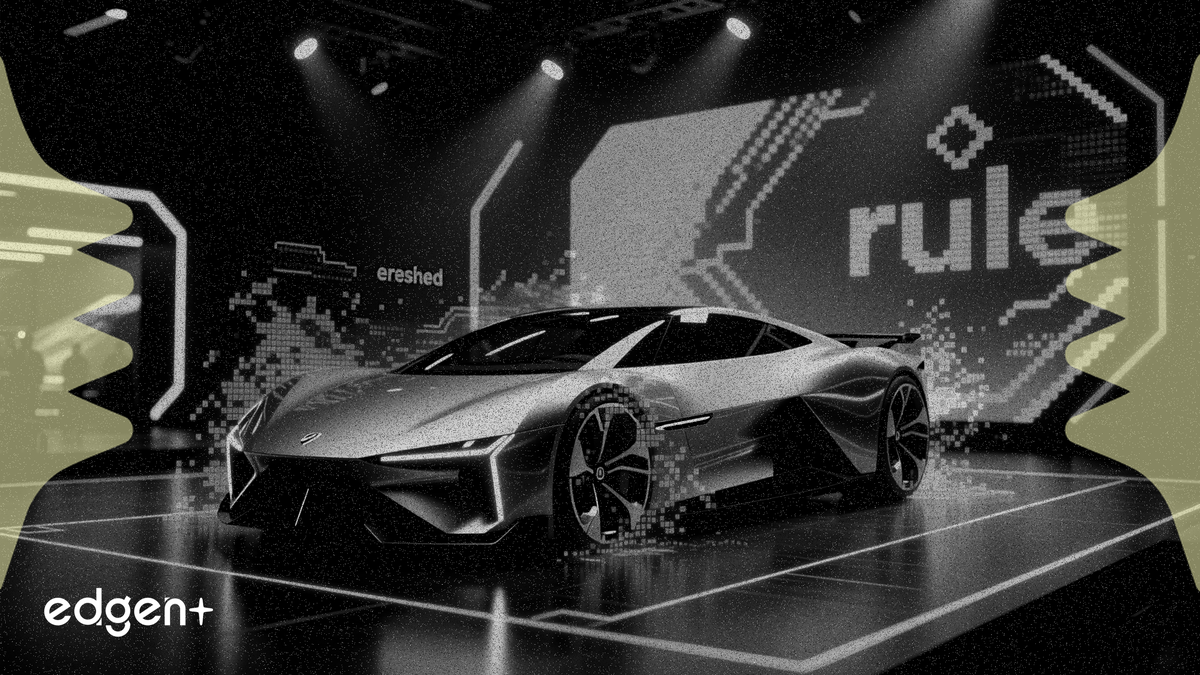
Chinese regulators are pumping the brakes on aggressive auto show marketing, issuing a 10-point list of "negative behaviors" to exhibitors at the 2026 Beijing Auto Show.
Chinese authorities have issued new guidelines for the 2026 Beijing Auto Show, aiming to cool down the industry's intense price and marketing wars by explicitly banning 10 types of negative competitive tactics. The move seeks to steer the world's largest auto market away from aggressive sales strategies and back toward competition based on technology and quality, according to people familiar with the matter.
"The negative behavior list for the 2026 Beijing Auto Show is meant to guide the auto industry back to a healthy competitive track of technical innovation and high-quality development," a source familiar with the new rules said. The regulations come as Chinese automakers are rapidly expanding their presence both domestically and globally.
The banned actions include exaggerating and false advertising, denigrating or smearing competitors' products, and setting prices that deviate from a reasonable range. The rules also forbid manipulating online discussions with paid commentators or "fan circles" to incite conflict and overly promoting visits by government officials to company booths as endorsements.
This regulatory intervention highlights the fierce competition in China's automotive sector, particularly in the electric vehicle segment. The potential impact could be a "cooling down" of the relentless price wars, creating short-term headwinds for companies reliant on aggressive marketing. In the long run, however, it may foster a more stable, quality-focused competitive landscape that could reshape stock valuations across the sector.
The new rules arrive as China's auto market, a global hub for EV and autonomous driving technology, experiences explosive growth and fierce rivalry. The automotive LiDAR market alone is projected to grow from $1.63 billion in 2026 to $6.54 billion by 2031, a compound annual growth rate of over 32 percent, according to a report from Mordor Intelligence. Chinese OEMs are leading this charge, driving down costs and accelerating adoption. This technological race, involving companies like Hesai Technology, RoboSense, and Huawei, has contributed to the high-stakes environment that regulators are now trying to manage.
The competitive pressure is also pushing Chinese brands to expand overseas. Chery, a major Chinese automaker, recently announced its arrival in Canada, signaling a new wave of global competition. This international push intensifies the need for brands to build a reputation based on more than just price, which the new regulations appear designed to encourage.
By prohibiting "unreasonable pricing" and "smearing competitors," the guidelines directly target the strategies that have defined the Chinese auto market in recent years. This could force a strategic shift, compelling automakers to differentiate their products through tangible improvements in technology and manufacturing quality rather than marketing battles.
The focus on "technical innovation" aligns with major industry trends, such as the development of advanced sensors like Frequency-Modulated Continuous-Wave (FMCW) LiDAR, which improves vehicle perception. Advances in this area, along with falling costs for solid-state LiDAR, are making sophisticated safety and autonomous features accessible in mid-range vehicles, not just premium models. The regulations may accelerate this trend, rewarding companies that invest in research and development over those that focus on aggressive, and sometimes misleading, marketing campaigns.
This article is for informational purposes only and does not constitute investment advice.