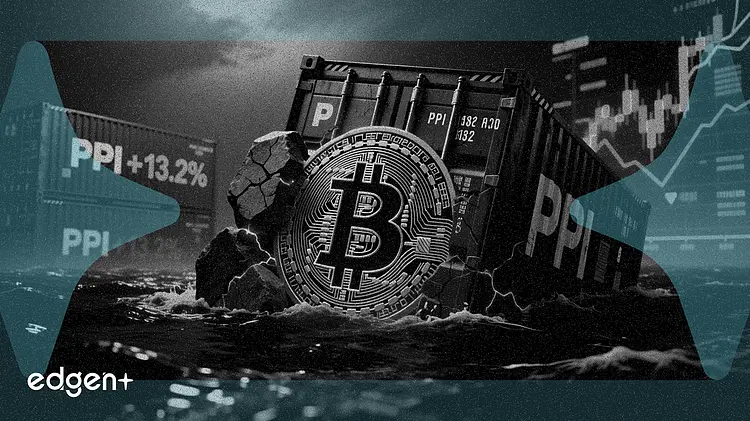
China's factory-gate inflation hit a four-year high in May, raising costs for Bitcoin miners already grappling with razor-thin margins.
China's producer price index rose at its fastest pace in four years in May, signaling a decisive shift from deflation to inflation that is driving up operational costs for Bitcoin miners globally. The PPI reading, which topped 4 percent for the first time since early 2022, exceeded consensus estimates and marked a sharp reversal from the deflationary pressures that have weighed on China's industrial sector for much of the past two years.
"The PPI surge reflects a confluence of supply-side shocks, including higher energy costs from the Iran conflict and rising input prices from AI infrastructure buildout," said Rachel Tang, macro analyst at Edgen. "This is not a demand-driven recovery — it's a cost-push inflation that will ripple through global supply chains."
Consumer inflation, meanwhile, unexpectedly stalled, with the CPI missing expectations as domestic demand remained tepid. The divergence between factory-gate and consumer prices — the PPI-CPI gap — widened to its largest in more than three years, a dynamic that historically has compressed margins for manufacturers and commodity-intensive industries.
The Bitcoin Mining Squeeze
For Bitcoin miners, the PPI surge translates directly into higher operating expenses. Mining operations are among the most electricity-intensive businesses globally, and China's factory inflation feeds into power costs through higher coal and natural gas prices. The country's industrial electricity tariffs, which are partially indexed to input costs, have risen in tandem with the PPI, according to industry data.
Hardware costs are also climbing. The PPI's machinery and equipment sub-index — which tracks the price of mining rigs, cooling systems, and electrical infrastructure — posted its largest monthly gain in four years. With the Bitcoin hash price already under pressure from the April 2024 halving, the additional cost burden could push marginal miners into unprofitable territory.
"If the PPI stays at these levels for another quarter, we will see a wave of miner capitulation," one mining pool operator said. "The breakeven hash price has moved up 15 percent this year, and the PPI data suggests it will go higher."
Global Supply Shock Context
China's inflation data arrives as major economies grapple with a broader supply shock. Central banks in the US, Europe, and Japan have turned increasingly hawkish, with the Federal Reserve signaling fewer rate cuts than markets had priced at the start of 2026. The combination of rising input costs and tighter monetary policy creates a challenging environment for risk assets, including cryptocurrencies.
The last time China's PPI exceeded 4 percent was in the first quarter of 2022, when the post-pandemic commodity supercycle pushed factory prices to multi-year highs. In the three months following that reading, Bitcoin fell 35 percent as mining margins compressed and the Fed began its tightening cycle. If history is any guide, the current PPI surge could trigger a similar repricing.
For global investors, the key question is whether China's factory inflation is transitory or structural. If supply-side pressures persist — driven by energy costs, AI-related demand, and trade fragmentation — the PPI could remain elevated through the second half of 2026, keeping upward pressure on mining costs and Bitcoin's production floor price.
This article is for informational purposes only and does not constitute investment advice.