
Key Takeaways: High gasoline prices are accelerating China's EV export push, with Chinese brands taking 11% of Europe's market and four of every five exported EVs carrying a Chinese badge.
Key Takeaways: High gasoline prices are accelerating China's EV export push, with Chinese brands taking 11% of Europe's market and four of every five exported EVs carrying a Chinese badge.
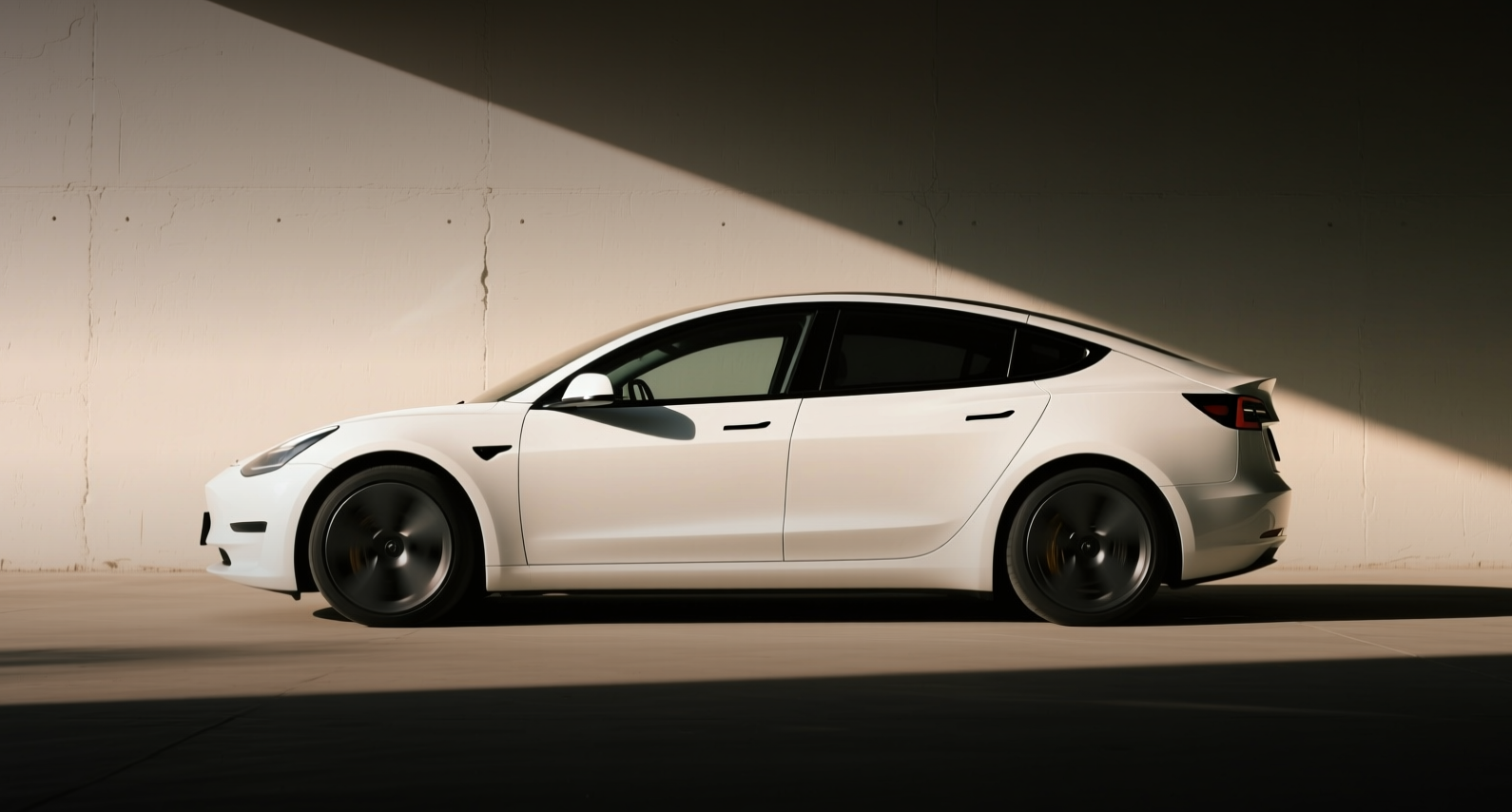
High gasoline prices are accelerating China's electric-vehicle export push, with Chinese brands now taking roughly 11% of the European market and four of every five EVs shipped abroad carrying a Chinese badge.
Europe's car industry faces "mortal danger" from subsidized Chinese competition, EU industrial policy chief Stéphane Séjourné said, as Chinese brands doubled their share of the region's market in a year.
China's domestic battery-electric share reached about 42.8% in June, while first-half passenger-car registrations fell from 10.9 million to 8.7 million as combustion sales collapse faster than EVs can replace them. BYD sold 4.6 million vehicles in 2025, sixth globally, surpassing Tesla as the world's largest maker of electric and plug-in hybrid cars. The global market closed 2025 at 99.8 million vehicles, up 4.7%, with China accounting for 34.5 million — about 35% of all registrations.
The shift squeezes legacy automakers from both ends. Volkswagen, BMW, Mercedes-Benz, Stellantis and Renault all issued profit warnings or cut European production in 2026 even as European BEV sales hit records, and AlixPartners forecasts Chinese brands' European share to climb to 16% by 2030.
Sustained high pump prices are the accelerant. Every dollar at the pump widens the running-cost gap between a battery-electric car and a combustion model, and Chinese manufacturers hold an estimated 30% cost advantage over European rivals on the vehicles themselves. SAIC, BYD and Chery have each built about 3% shares in Europe, backed by increasingly competitive software and cheaper batteries. The result is visible in the data: Chinese brands accounted for 14.27% of passenger-car sales in Spain by the end of July, a leap from near zero five years ago.
The tariff picture complicates the math. Chinese battery-electric cars face EU countervailing duties, while plug-in hybrids have so far been less exposed — a differential regulators are now moving to close. That leaves European manufacturers leaning on a semi-protected basin even as they lose share in more open markets, a fragile base from which to claim global leadership.
The countries winning the export race are those whose home markets forced the fastest transition to battery-electric vehicles. China's domestic BEV share of 42.8% in June compares with 20.7% across the EU in the first half, where full hybrids still hold 37.3% of the market and plug-in hybrids 9.8%. Thailand, far smaller, restructured its incentives to reward EV exports after Chinese-led domestic oversupply, turning a Japanese-dominated combustion market into a Chinese-led EV export base. Europe's reliance on hybrids and plug-ins — vehicles that still require combustion engines, transmissions and fuel systems — prolongs exactly the capital commitments that slow a full transition.
The winners are clear. BYD, Geely and SAIC are climbing the global sales rankings — BYD at 4.6 million vehicles in 2025, Geely at 4.12 million, SAIC at 4.51 million — while Toyota still leads at 11.32 million and Volkswagen Group trails at 8.98 million. For European and Japanese manufacturers, every year spent defending hybrid and plug-in volumes narrows their cost and scale advantage further. The market is already pricing the shift, and the next few years will show whether China's rapid growth translates into true global dominance or whether the traditional leaders adapt in time.
This article is for informational purposes only and does not constitute investment advice.
