

The Senate's September 15 cloture vote on the CLARITY Act requiring 60 votes with Republicans holding 53 will determine whether landmark U.S. crypto legislation advances before the November midterms.
The Senate's September 15 cloture vote on the CLARITY Act requiring 60 votes with Republicans holding 53 will determine whether landmark U.S. crypto legislation advances before the November midterms.
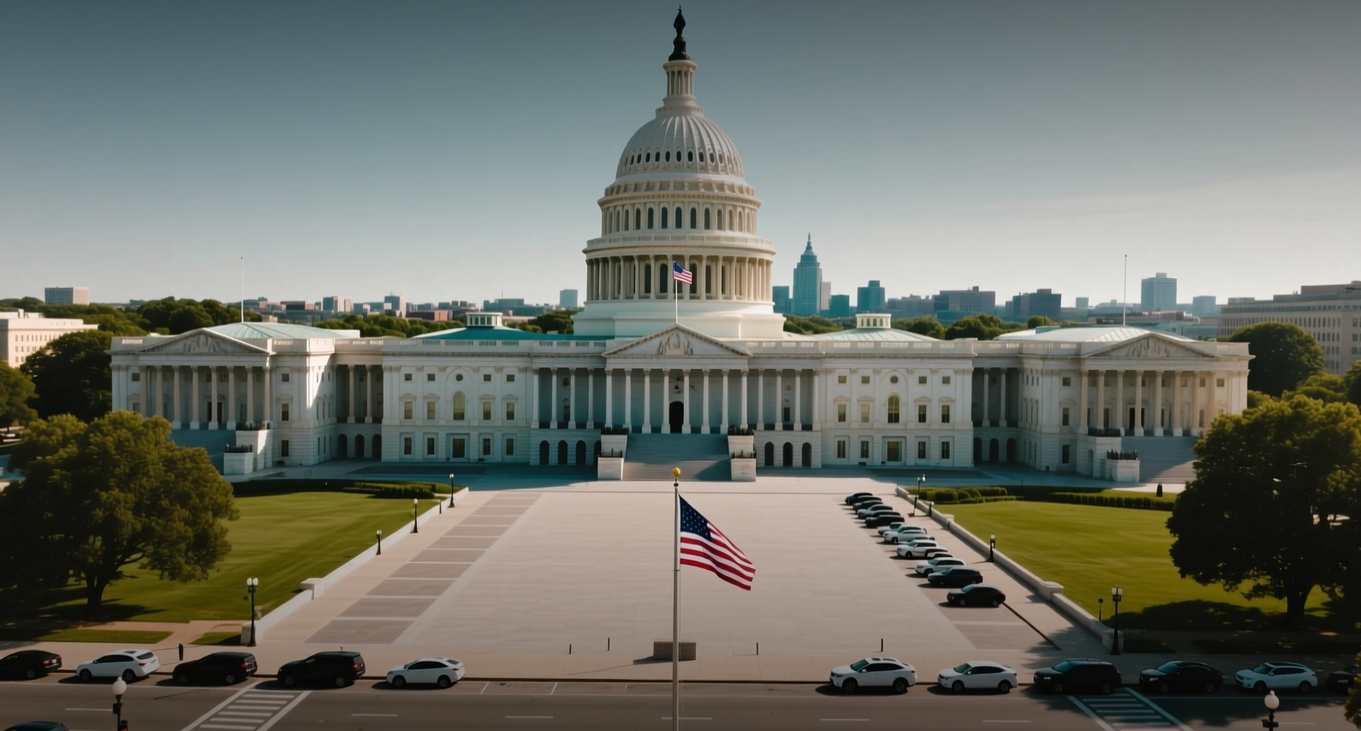
The Senate votes September 15 on whether to advance the CLARITY Act, a cloture motion requiring 60 votes that would push the most consequential U.S. crypto market structure bill toward final passage.
"The CLARITY Act is the missing piece," Heath Tarbert, president of Circle, said, urging Congress to pass the bill to complete the U.S. digital asset regulatory framework. Ripple CEO Brad Garlinghouse has also publicly backed the push, arguing the U.S. can cement its position as the global crypto capital if lawmakers deliver clear rules.
Republicans hold 53 seats, meaning supporters need at least seven Democratic or independent votes even if every Republican backs the motion. The House passed H.R. 3633 by 294-134 on July 17, 2025, and the Senate Banking Committee advanced its portion 15-9 on May 14, 2026, but unresolved fights over stablecoin rewards, government ethics and anti-money laundering rules have kept the bill short of the 60-vote threshold.
A successful vote would clear the way for Senate debate and amendments, but the House has canceled eight September voting days — lawmakers leave Washington on September 17 — and would not return to regular legislative work until after the November 3 midterms. Galaxy Research has lowered its estimated probability that the CLARITY Act becomes law in 2026 to about 10 percent, while Polymarket traders put the odds at roughly 17 percent, down from above 20 percent in late August.
The legislation would define when digital assets fall under SEC oversight versus the Commodity Futures Trading Commission, establish registration requirements for exchanges and intermediaries, and set rules covering disclosures, customer assets and market conduct. SEC Chair Paul Atkins has backed the effort, arguing that statutory law creates a more durable foundation than agency rulemaking alone.
Stablecoin rewards remain the most contested provision. Traditional banks have warned that high-yield incentives could pull deposits out of the banking system, while crypto firms argue that overly broad restrictions would limit legitimate payment and transaction rewards. The July 22 combined Senate text includes provisions on stablecoin yield, ethics rules for government officials and anti-money laundering safeguards, but negotiators could not finalize an agreement before the August recess.
If the cloture vote fails, the current effort to move H.R. 3633 into formal Senate consideration would stall. Senate leaders could revise provisions and try again, but with the November midterms approaching, a defeat would sharply reduce the chances of CLARITY becoming law in 2026. The SEC and CFTC would then take on a larger role in shaping U.S. crypto policy through rulemaking, an approach that can be revised by future administrations and may face legal challenges.
For exchanges and platforms serving U.S. customers — including Coinbase, Robinhood and Circle — the bill's passage would replace years of enforcement-driven uncertainty with a defined registration framework. Bitcoin already faces less securities-related uncertainty than other digital assets, but a clearer market structure could ease institutional participation across the sector. Ethereum and other major altcoins would benefit most directly from a settled SEC-CFTC jurisdictional line.
Garlinghouse's endorsement carries particular weight given Ripple's history. The company spent years in litigation with the SEC over whether XRP constitutes a security, and its CEO's public support for the legislative route reflects where the industry sees its best path to regulatory certainty.
The September 15 vote is not the finish line. Even if cloture succeeds, the Senate must still debate amendments and hold a separate final passage vote, and any changes would require House approval of the revised text. The number that matters most on September 15 is 60.
This article is for informational purposes only and does not constitute investment advice.
