

CXMT's $8.5 billion IPO gives China's top DRAM maker a war chest to challenge Micron's grip on the memory chip market.
CXMT's $8.5 billion IPO gives China's top DRAM maker a war chest to challenge Micron's grip on the memory chip market.
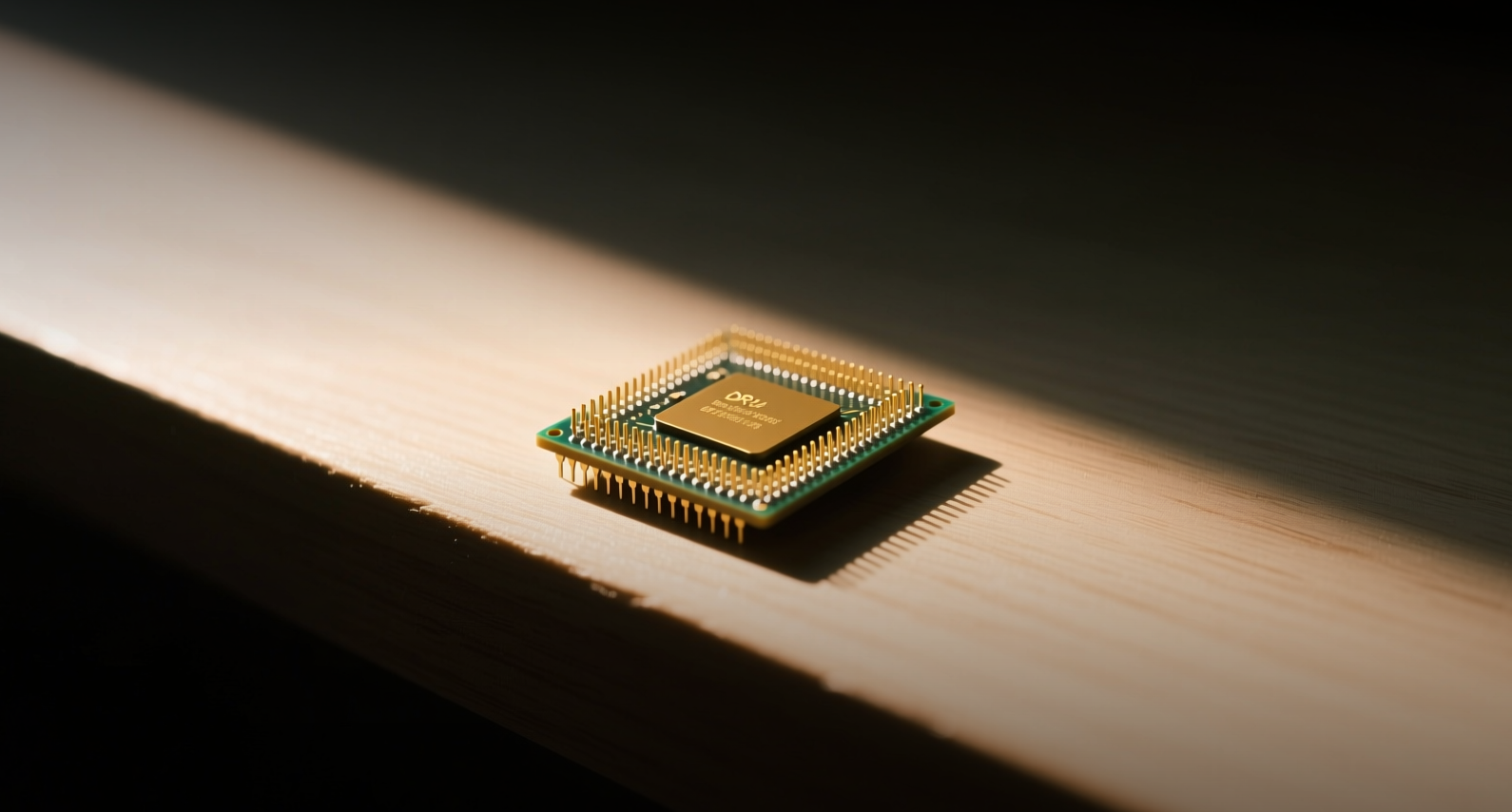
CXMT's $8.5 billion Shanghai IPO, nearly double its initial target, hands China's leading DRAM maker the financial firepower to challenge Micron Technology's dominance in the memory chip market. The listing on Shanghai's Star Market values ChangXin Memory Technologies at about 579 billion yuan ($85.5 billion), surpassing Semiconductor Manufacturing International Corp.'s 2020 record as the largest semiconductor IPO on a mainland Chinese bourse.
"Micron is investing at record levels in technology, products and supply to address our customers' rapidly growing demand," Sanjay Mehrotra, chief executive officer of Micron, said on the company's earnings call, as the company reported fiscal third-quarter revenue of $41.5 billion and non-GAAP gross margin of 84.6%.
CXMT's DRAM market share roughly tripled year over year to about 8% in the first quarter, according to Counterpoint Research, still well behind Micron's roughly 22% but on a trajectory that has rattled investors. The Hefei-based company priced its offering at 8.66 yuan apiece, raising gross proceeds of 57.9 billion yuan from the sale of nearly 6.7 billion shares, representing 10% of its enlarged capital. If a 15% overallotment option is fully exercised, the deal could expand to 7.7 billion shares and raise up to 66.6 billion yuan ($9.83 billion).
For Micron, which generates the majority of its revenue from DRAM, the threat is concentrated in the commodity segment where CXMT can compete most aggressively. US sanctions block CXMT from producing high-bandwidth memory used in AI servers or supplying US customers, but the $8.5 billion war chest could accelerate its push into standard DDR4 and DDR5 chips — the same products that drive a significant portion of Micron's revenue.
The competitive overhang landed hard on memory stocks. Micron shares fell about 7% on the day, while SK Hynix's US-listed ADR dropped 9%. The selloff came despite Micron reporting record quarterly revenue of $41.5 billion in its fiscal third quarter, with non-GAAP earnings per share of $25.11. The company guided fiscal fourth-quarter revenue to $50 billion, plus or minus $1 billion, with non-GAAP EPS of $31.00, assuming DRAM pricing holds.
Micron's own defense carries a heavy price tag. Capital expenditures reached $7.8 billion in the fiscal third quarter alone, up 166% from a year earlier, as the company invests to stay ahead. CXMT's IPO proceeds are designed to match that spending on the lower end of the technology ladder, where standard DRAM pricing is most vulnerable to a well-funded fourth player entering a market long dominated by three companies.
The limits of the threat are defined by US export controls. CXMT cannot access the most advanced chipmaking equipment, capping its ability to produce HBM or sell into the US market. That leaves Micron's highest-margin AI memory business untouched for now. But the direction of travel is clear: a funded CXMT with a mandate to expand capacity changes the competitive equation on commodity DRAM, where pricing pressure directly impacts Micron's margins.
Micron shares, trading at about 6 times forward earnings with a market capitalization near $1 trillion, have rallied more than 240% year to date on AI-driven demand. The next catalyst is fiscal fourth-quarter 2026 earnings, when management's confidence in that $50 billion revenue guide will face questions about what a better-funded CXMT means for pricing into 2027.
This article is for informational purposes only and does not constitute investment advice.
