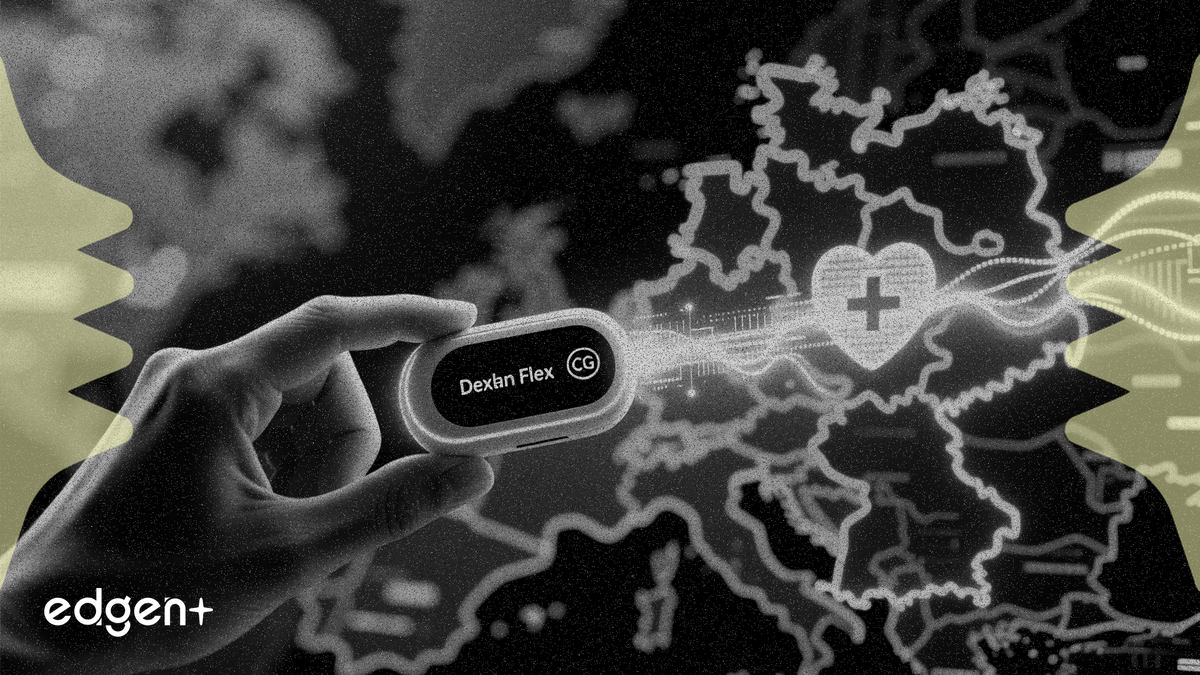
Dexcom đang ra mắt một máy theo dõi đường huyết liên tục mới với chi phí thấp hơn tại Đức để thách thức 75% thị phần que thử truyền thống từ Roche và Ascensia.
Dexcom (Nasdaq: DXCM) sẽ sớm ra mắt hệ thống theo dõi đường huyết liên tục Flex tại Đức, một bước đi chiến lược nhằm chiếm lĩnh thị phần trong thị trường tiểu đường 11 triệu người của quốc gia này, hiện đang bị thống trị bởi các xét nghiệm lấy máu đầu ngón tay truyền thống. Hệ thống mới được thiết kế đặc biệt cho người lớn mắc bệnh tiểu đường loại 2 không sử dụng liệu pháp insulin tăng cường, mở ra một mặt trận mới quan trọng trong cuộc chiến giành ưu thế theo dõi đường huyết trước các đối thủ Roche, Ascensia và Abbott.
"Việc ra mắt Dexcom Flex tại Đức phản ánh sự tập trung liên tục của chúng tôi vào việc mở rộng khả năng tiếp cận CGM," Alexander Fröhlich, phó chủ tịch kiêm tổng giám đốc khu vực DACH tại Dexcom, cho biết trong một tuyên bố. "Khi tính cá nhân hóa ngày càng trở nên quan trọng trong chăm sóc bệnh tiểu đường loại 2, Flex cho phép phương pháp theo dõi đường huyết phù hợp hơn."
Khác với các hệ thống CGM tăng cường, Dexcom Flex được thiết kế riêng cho những bệnh nhân sử dụng insulin nền, thuốc uống hoặc các chất đối kháng thụ thể GLP-1. Nó cung cấp các chỉ số đường huyết theo thời gian thực cho điện thoại thông minh mà không cần lấy máu đầu ngón tay định kỳ, nhằm mục đích cung cấp cho người dùng và bác sĩ của họ một bức tranh rõ ràng hơn về cách chế độ ăn uống, hoạt động và thuốc ảnh hưởng đến mức đường huyết. Việc ra mắt diễn ra trong bối cảnh Đức đang mở rộng việc sử dụng các công cụ y tế kỹ thuật số, tạo ra môi trường thuận lợi cho sản phẩm mới của Dexcom.
Động thái này rất quan trọng đối với Dexcom khi họ tìm kiếm các con đường tăng trưởng mới ngoài nhóm phụ thuộc vào insulin tăng cường. Đức đại diện cho thị trường đơn lẻ lớn nhất châu Âu về theo dõi đường huyết, nhưng nó vẫn là thành trì của các máy đo dạng que thử truyền thống, chiếm doanh số ước tính khoảng 2-3 tỷ que thử mỗi năm. Bằng cách giới thiệu một hệ thống CGM phù hợp cho nhóm bệnh nhân ít tăng cường hơn nhưng lớn hơn nhiều này, Dexcom đang trực tiếp thách thức mô hình kinh tế "dao cạo và lưỡi dao" có lợi nhuận đã duy trì các đối thủ đương nhiệm trong nhiều thập kỷ.
Phá vỡ thị trường que thử trị giá 1,5 tỷ Euro
Thị trường theo dõi đường huyết của Đức là một bối cảnh trưởng thành và tập trung. Roche Diabetes Care, với thương hiệu Accu-Chek, và Ascensia Diabetes Care, với các sản phẩm Contour, nắm giữ tổng cộng 70-75% thị phần kênh nhà thuốc. Theo báo cáo thị trường năm 2026 từ IndexBox, giá bán lẻ trung bình cho một que thử có thương hiệu dao động từ 0,50 Euro đến 0,80 Euro, khiến thị trường que thử tiêu hao trở thành một ngành kinh doanh béo bở, khối lượng lớn.
Flex của Dexcom nhằm mục đích phá vỡ mô hình này bằng cách cung cấp một giải pháp toàn diện và giàu dữ liệu hơn. Trong khi các máy đo truyền thống chỉ cung cấp ảnh chụp nhanh tại một thời điểm, các hệ thống CGM theo dõi mức đường huyết liên tục, cung cấp dữ liệu xu hướng và cảnh báo có thể giúp ngăn ngừa các sự kiện hạ đường huyết. Các nghiên cứu đã chỉ ra rằng việc sử dụng CGM ở những người mắc bệnh tiểu đường loại 2 có thể hỗ trợ giảm các ca nhập viện liên quan đến tiểu đường và các biến chứng lâu dài. Việc ra mắt cũng điều hướng một môi trường pháp lý phức tạp, vì Quy định về thiết bị y tế chẩn đoán trong ống nghiệm của Châu Âu (IVDR) đã làm tăng chi phí đưa các hệ thống que thử mới ra thị trường ước tính khoảng 1-3 triệu Euro cho mỗi bộ thiết bị.
Bước đệm để áp dụng CGM rộng rãi hơn
Việc ra mắt Flex là một phần quan trọng trong chiến lược toàn cầu rộng lớn hơn của Dexcom được vạch ra tại ngày hội nhà đầu tư gần đây. Công ty đang chờ đợi kết quả của thử nghiệm CONNECT quan trọng vào ngày 6 tháng 6, nghiên cứu về việc giảm A1C ở những người mắc bệnh tiểu đường loại 2 không sử dụng insulin. Kết quả tích cực có thể đóng vai trò là "mỏ neo" để mở rộng quyền tiếp cận CGM cho tất cả những người mắc bệnh tiểu đường ở Mỹ và quốc tế, có khả năng mở ra phạm vi bảo hiểm Medicare sẽ bổ sung thêm 12 triệu người được bảo hiểm.
Ban quản lý coi Flex là một phần của phương pháp tiếp cận danh mục đầu tư cho các thị trường khác nhau. Trong khi các sản phẩm dòng G cao cấp phục vụ các thị trường có mức hoàn trả rộng rãi, Flex được thiết kế cho các thị trường có mức hoàn trả hạn chế hoặc phân cấp cho các bệnh nhân không điều trị tăng cường. Công ty cũng đang nghiên cứu nền tảng G8 thế hệ tiếp theo, mà họ cho biết sẽ nhỏ hơn 50% so với cảm biến G7 hiện tại và dự kiến sẽ đệ trình vào năm tới. Đối với các nhà đầu tư, nỗ lực của Dexcom vào thị trường loại 2 không tăng cường thể hiện sự mở rộng đáng kể tổng thị trường có thể tiếp cận, với việc công ty dự kiến số lượng người được bảo hiểm toàn cầu sẽ tăng từ 23 triệu trong năm nay lên 52 triệu vào cuối kế hoạch dài hạn.
Bài viết này chỉ mang tính chất thông tin và không cấu thành lời khuyên đầu tư.