

Kim cương tổng hợp, từng bị coi là mốt nhất thời trong ngành trang sức tiêu dùng, đang được định giá lại như một vật liệu quản lý nhiệt quan trọng cho chip AI.
Kim cương tổng hợp, từng bị coi là mốt nhất thời trong ngành trang sức tiêu dùng, đang được định giá lại như một vật liệu quản lý nhiệt quan trọng cho chip AI.
Kim cương tổng hợp, từng bị coi là mốt nhất thời trong ngành trang sức tiêu dùng, đang được định giá lại như một vật liệu quản lý nhiệt quan trọng cho chip AI.
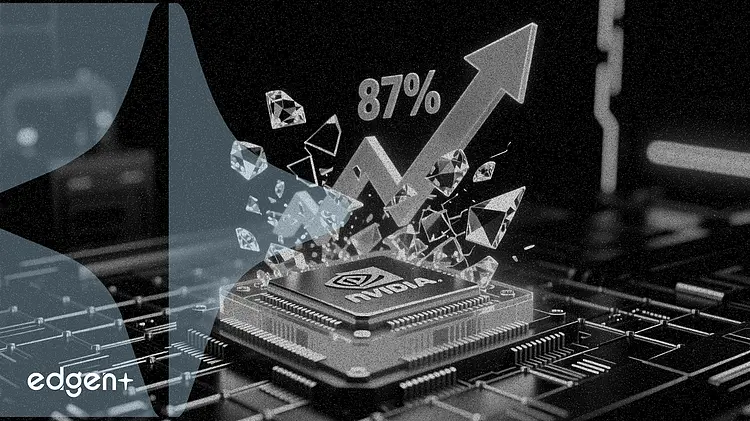
Cổ phiếu kim cương tổng hợp đã tăng 87% trong năm nay khi độ dẫn nhiệt của vật liệu này — gấp 4 lần đồng — trở thành giải pháp cho các chip AI đang chạm tới giới hạn mật độ công suất trên 150W mỗi cm vuông.
"Sự kết hợp giữa vật liệu kim cương và sức mạnh tính toán AI là một hướng đi quan trọng để phá vỡ nút thắt hiệu suất của các chip cao cấp," Zhu Yanhui, CEO của Chaoying Diamond, cho biết sau cuộc gặp với CEO NVIDIA Jensen Huang trong chuyến thăm Trung Quốc năm 2026.
Độ dẫn nhiệt tự nhiên của kim cương từ 2.000 đến 2.500 W/(m·K) vượt xa đồng ở mức khoảng 400 W/(m·K) và nhôm ở mức khoảng 250 W/(m·K). Hệ số giãn nở nhiệt từ 1,0 đến 1,5 x 10⁻⁶ mỗi Kelvin của kim cương gần tương đương với silicon và silicon carbide, ngăn ngừa hiện tượng phân tách bề mặt sau hàng nghìn chu kỳ nhiệt. NVIDIA cho biết vào tháng 2 rằng thế hệ GPU tiếp theo của hãng sẽ áp dụng giải pháp làm mát bằng composite kim cương kết hợp với chất lỏng, và composite đồng-kim cương của Chaoying Diamond đã vượt qua quy trình kiểm định chuỗi cung ứng của công ty.
HuaAn Securities dự báo thị trường quản lý nhiệt kim cương toàn cầu có thể đạt 97 tỷ nhân dân tệ (13,4 tỷ USD) vào năm 2032 trong kịch bản thận trọng, hoặc lên tới 974 tỷ nhân dân tệ trong kịch bản lạc quan. Các nhà sản xuất Trung Quốc kiểm soát 63% công suất kim cương tổng hợp thô toàn cầu ở mức 25,2 triệu carat, mang lại lợi thế cung ứng cơ cấu khi nhu cầu chuyển dịch từ trang sức sang làm mát chip.
Vấn đề cốt lõi thúc đẩy sự chuyển dịch này rất đơn giản: chip AI càng mạnh thì càng sinh nhiều nhiệt. Tỷ lệ hỏng hóc của chất bán dẫn tăng gấp 2 đến 3 lần sau mỗi 18 độ C tăng nhiệt độ vận hành, theo HuaAn Securities. Trong các kịch bản điện toán hiệu năng cao, mật độ thông lượng nhiệt của chip đã đạt 150W mỗi cm vuông, với các ứng dụng radar trên không vượt quá 10¹⁰ W mỗi cm vuông. Các phương pháp làm mát truyền thống — làm mát bằng không khí, sau đó là làm mát bằng chất lỏng, rồi buồng hơi — đang tiến gần tới giới hạn vật lý. Kim cương mang lại sự cải thiện mang tính bước nhảy vì nó dẫn nhiệt nhanh gấp 5 lần đồng và gấp 10 lần silicon.
Các công ty kim cương tổng hợp Trung Quốc đang nhanh chóng nắm bắt cơ hội. HuangHeXuanFeng đã đưa vào vận hành dây chuyền sản xuất tản nhiệt kim cương 8 inch đầu tiên của Trung Quốc vào tháng 2, với công suất hàng năm 20.000 sản phẩm. SiFangDa cho biết các bộ tản nhiệt kim cương của họ đã vượt qua thử nghiệm của khách hàng nước ngoài và bước vào giai đoạn cung ứng quy mô nhỏ, với một nhà máy mới dự kiến hoàn thành vào cuối năm sau. LiLiang Diamond cho biết họ có thể "cảm nhận rõ ràng" nhu cầu hạ nguồn không ngừng gia tăng, với nhiều công ty bán dẫn trong nước đang tích cực theo đuổi giao hàng và thử nghiệm mẫu. ZhongBingHongJian đã đạt được sản xuất quy mô nhỏ các bộ tản nhiệt kim cương, trong khi HuiFeng Diamond đang xây dựng một chuỗi công nghiệp hoàn chỉnh bao gồm tinh thể đơn kim cương độ dẫn nhiệt cao, bột và composite kim loại.
Việc định giá lại đang diễn ra nhanh hơn doanh thu. SiFangDa và LiLiang Diamond đang giao dịch ở mức 179 lần và 157 lần thu nhập vệt (trailing) tính đến ngày 25 tháng 5, phản ánh kỳ vọng của thị trường vào một chu kỳ nhu cầu kéo dài nhiều năm hơn là lợi nhuận hiện tại. NVIDIA, công ty chiếm 75,9% thị trường GPU máy chủ AI theo TrendForce, là neo cầu — nhưng công nghệ này vẫn đang trong giai đoạn phát triển, với thời gian từ phòng thí nghiệm đến sản xuất hàng loạt thường mất 18 đến 24 tháng. Đối với các nhà đầu tư, câu hỏi đặt ra là liệu vật liệu nhiệt kim cương có đi theo quỹ đạo giống như làm mát bằng chất lỏng, vốn đã nâng cổ phiếu liên quan tăng hơn 300% vào năm 2023 khi mức tiêu thụ điện năng GPU của NVIDIA vượt quá 700 watt hay không.
Bài viết này chỉ nhằm mục đích cung cấp thông tin và không cấu thành lời khuyên đầu tư.
