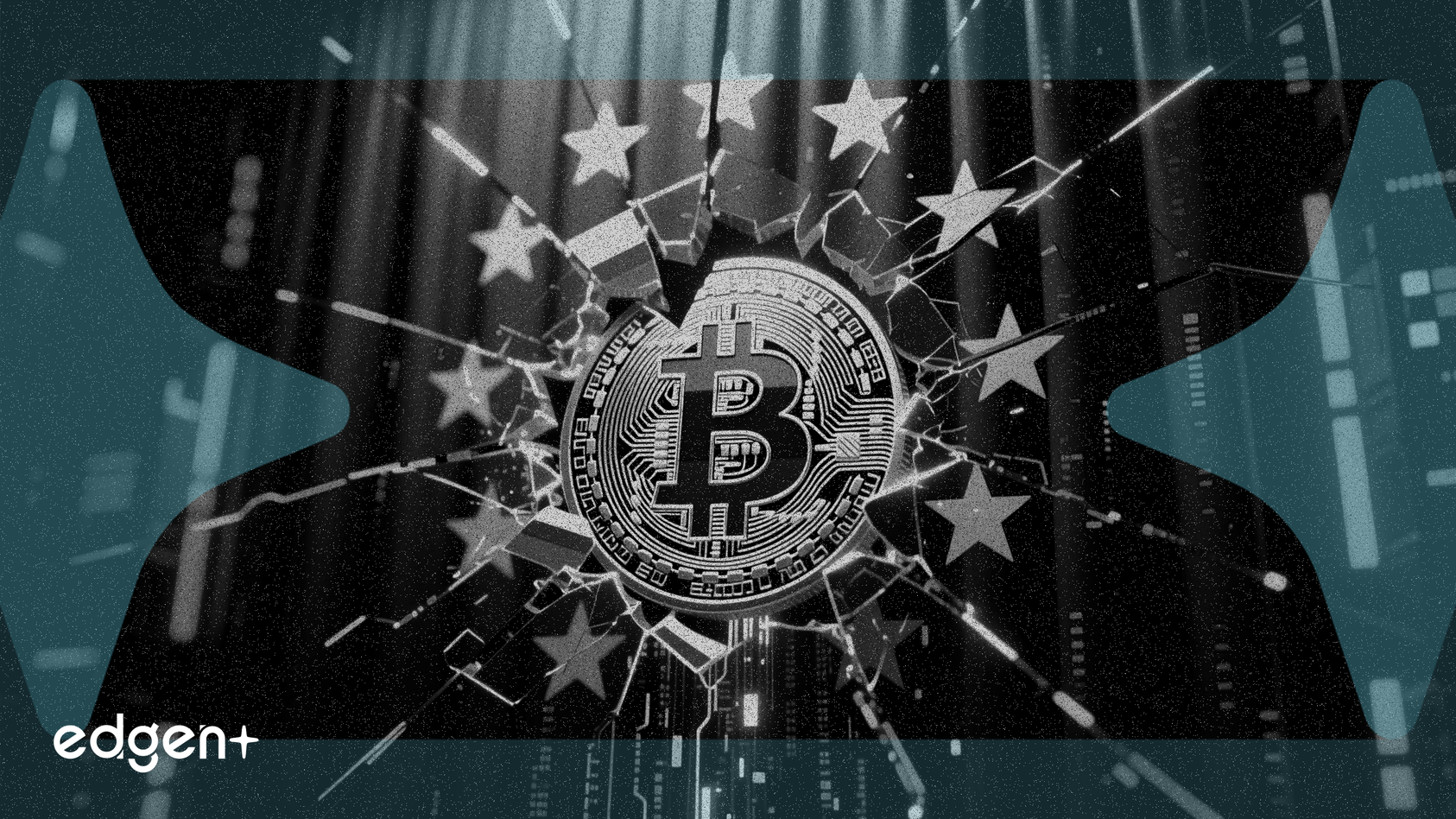
El 20º paquete de sanciones de la UE apunta a la prohibición total de las criptomonedas
La Unión Europea está avanzando en su 20º paquete de sanciones, que incluye una prohibición exhaustiva de todas las transacciones de criptomonedas con Rusia. Las medidas, cuya adopción está prevista para alrededor del 24 de febrero, están diseñadas para cerrar las lagunas financieras que han permitido a Rusia eludir las restricciones anteriores. A diferencia de los esfuerzos anteriores que se dirigían a entidades específicas, esta propuesta busca prohibir que individuos y empresas de la UE se involucren con cualquier proveedor de servicios o plataforma de criptoactivos establecido en Rusia. Un documento interno de la Comisión Europea señaló que simplemente enumerar proveedores individuales es ineficaz, ya que se crean rápidamente nuevos. Las sanciones también se extenderán a 20 bancos regionales rusos adicionales y a varias instituciones en terceros países, incluidos dos bancos kirguís, Keremet y OJSC Capital Bank of Central Asia.
Las sanciones se dirigen a la stablecoin A7A5 tras su crecimiento en 2025
Las nuevas reglas parecen estar dirigidas a la plataforma de pago vinculada a Rusia A7 y su stablecoin anclada al rublo, A7A5. A pesar de las sanciones anteriores, A7A5 se convirtió en una de las stablecoins no denominadas en dólares de más rápido crecimiento por valor de mercado en 2025. El operador de la plataforma ha negado las afirmaciones de que facilita la evasión de sanciones. Sin embargo, la firma de análisis de blockchain Global Ledger informó haber identificado patrones consistentes con el "wash trading" que pueden haber inflado artificialmente los volúmenes de A7A5 y simulado la demanda, lo que pone en duda la actividad reportada del token.
Los analistas cuestionan la viabilidad de un bloqueo criptográfico completo
Los analistas de mercado expresan un escepticismo significativo sobre la capacidad de la UE para hacer cumplir una prohibición total de la actividad criptográfica rusa. El desafío principal radica en la naturaleza de las finanzas descentralizadas (DeFi), que permite a los usuarios operar fuera de los marcos de cumplimiento tradicionales. Lex Fisun, CEO de Global Ledger, señaló que la propuesta destaca una incomprensión fundamental de la liquidez descentralizada.
En esta etapa, distinguir estos fondos de la actividad legítima del mercado se vuelve una imposibilidad técnica […]. Para que los intercambios europeos impongan tal prohibición, esencialmente tendrían que bloquear todos los flujos de los principales centros de comercio global, una medida que paralizaría el mercado legítimo de criptomonedas.
— Lex Fisun, CEO de Global Ledger.
Fisun explicó que los poseedores de tokens como A7A5 pueden usar pools de liquidez autónomos en cadena para intercambiarlos por stablecoins negociados globalmente sin intermediarios. Esto hace que un bloqueo técnico completo sea poco probable, ya que la infraestructura descentralizada sigue siendo resistente a la censura directa. Si bien las sanciones cortarán a las entidades rusas de las plataformas europeas reguladas, su efectividad en el ecosistema DeFi más amplio es limitada.